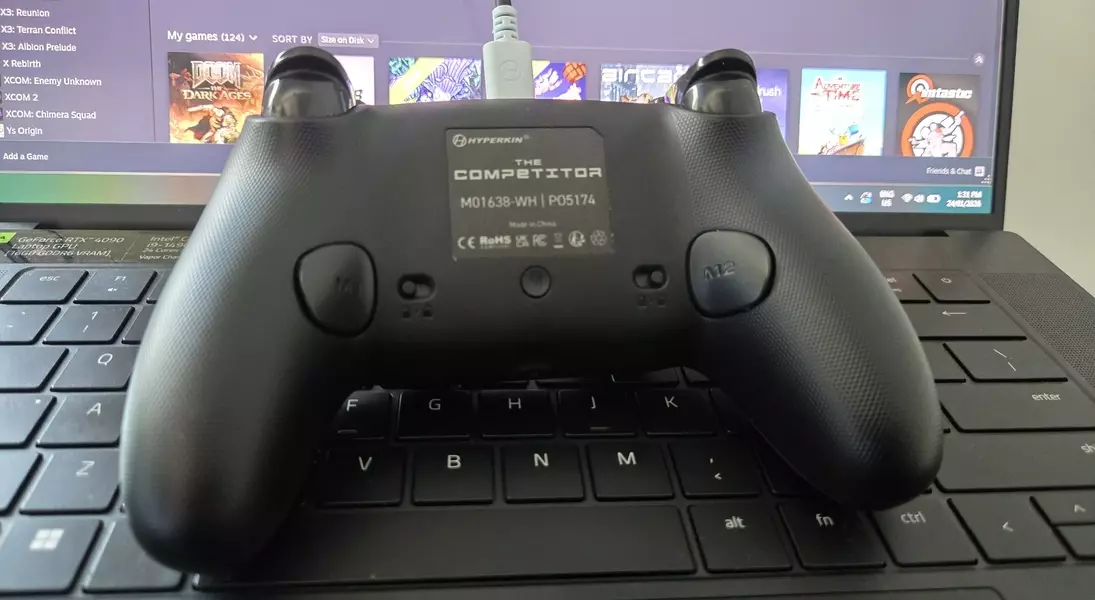
This review delves into the Hyperkin Competitor, a gaming controller designed for PC and Xbox users who favor a symmetrical joystick configuration, traditionally associated with PlayStation devices. The article explores its features, performance, and value, especially contrasting its affordability across different geographic markets.
Unleash Your Symmetrical Gaming Potential Without Breaking the Bank
The Quest for Symmetrical Control: Bridging Console Preferences
For decades, a fundamental divide has existed in the gaming controller landscape: the offset joystick design, prevalent in Xbox controllers, versus the symmetrical layout championed by PlayStation's DualSense. This preference often dictates console choice, or necessitates expensive custom solutions for cross-platform play. Hyperkin aims to disrupt this by offering a more accessible option for Xbox and PC enthusiasts.
First Impressions: Design and Regional Pricing Nuances
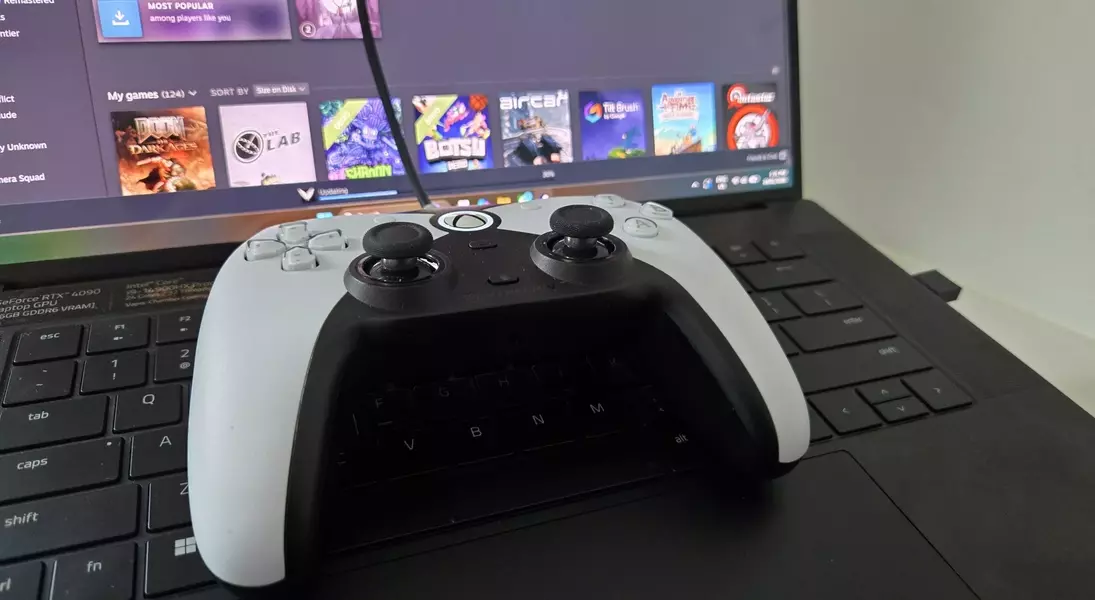
The Competitor is available in a sleek black, or a black and white variant that distinctly echoes the aesthetic of the PS5 DualSense. The reviewed two-tone model exudes a certain stylistic flair, almost resembling a superhero's uniform. Priced at approximately $57 USD, it represents a compelling budget choice. However, its appeal diminishes in regions like Australia, where prices can escalate to $85-$120 AUD, putting it in competition with feature-rich alternatives such as the PowerA wireless Dragon controller.
Connectivity and Ergonomics: A Lightweight, Wired Experience
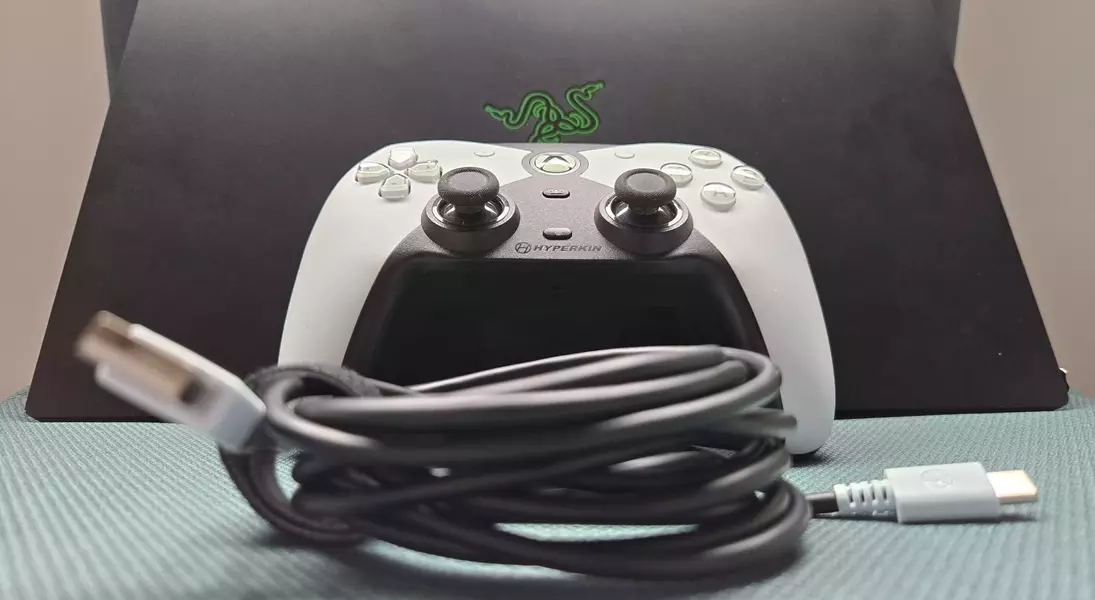
This controller operates solely via a wired connection, foregoing Bluetooth or wireless dongle support. It compensates with an impressively long USB Type-C to Type-A cable, offering considerable freedom of movement and complementing the controller's two-tone design with matching connection points. Weighing in at roughly 250 grams (officially 234 grams), its lightness, attributed to the absence of internal batteries, is noticeable when compared directly to heavier wireless controllers, though it doesn't significantly impact play experience.
Performance Aspects: Triggers, Haptics, and Advanced Features
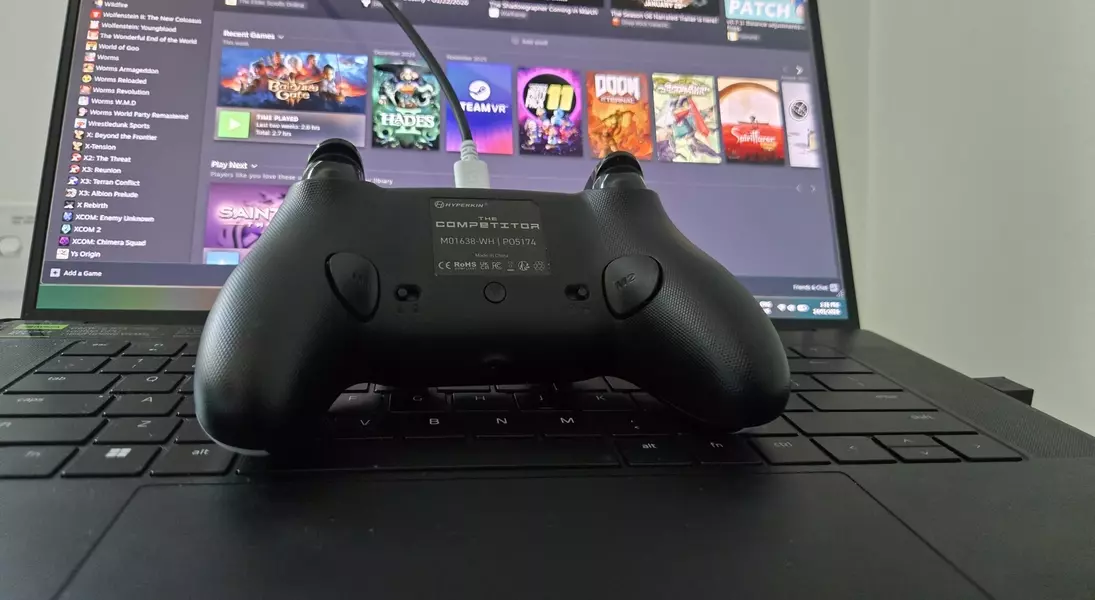
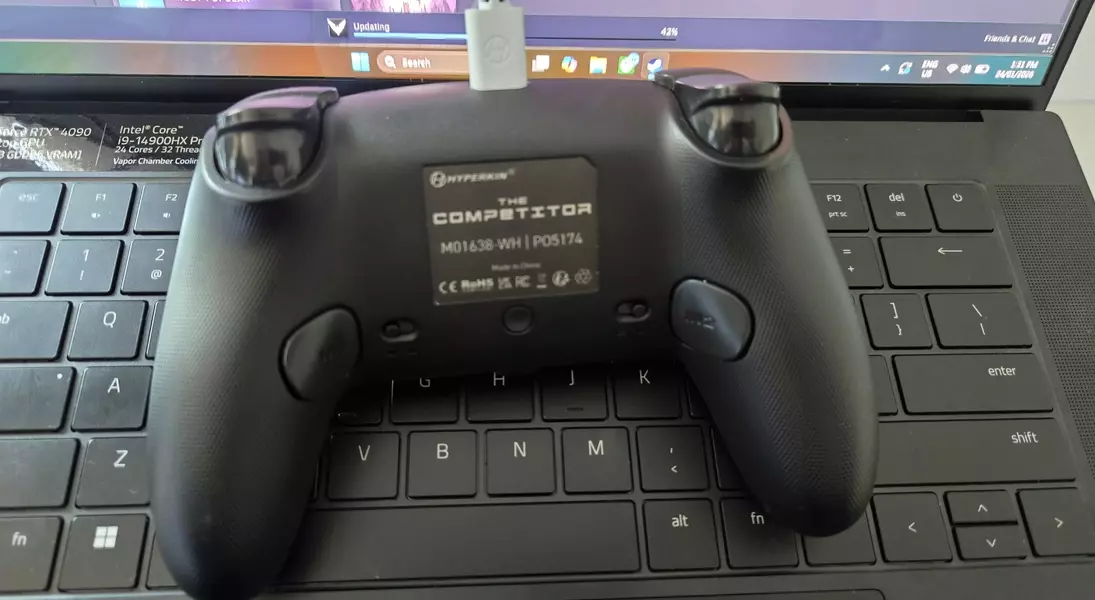
While not a direct rival to the high-tech DualSense, the Competitor provides a respectable experience given its price. It features standard triggers, reminiscent of older PlayStation controllers, offering a decent tactile response despite lacking customization options. The haptic feedback is present but understated, requiring more intensity to be truly impactful during critical in-game moments. However, a standout feature is the inclusion of programmable back buttons, conveniently located on the inner grips. These can be easily configured and disabled directly on the device, eliminating the need for external software. Their comfortable placement minimizes accidental presses, a common issue with similar features on other controllers.
Precision and Responsiveness: Hall Effect Sticks and Button Feedback
The implementation of Hall effect sticks is a thoughtful addition for a sub-$60 controller. These sticks offer smooth movement and consistent centering. Initially, the textured rims felt abrasive but have since become more comfortable with use. They prove effective across diverse gaming genres, from fast-paced shooters like Doom Eternal to more deliberate titles like Baldur's Gate 3, though the D-pad remains superior for precise enemy selection in the latter. Conversely, the D-pad, though functional, is not a highlight, feeling somewhat small and presenting an uncomfortable edge-to-center slide. The face buttons, while sporting an Xbox layout and transparent coating, exhibit a slight 'smooshiness' and lack definitive feedback. Similarly, the bumpers, crucial for actions like dashing in games such as Hades 2, sometimes fail to register inputs consistently, potentially hindering performance in speed-critical scenarios.
Overall Value: A Regional Consideration for Symmetrical Control
The Hyperkin Competitor successfully offers an accessible pathway to symmetrical joystick gaming for PC and Xbox users. Its value proposition is strongest in regions like the US, where its reasonable price makes it a compelling option compared to more expensive alternatives. However, Australian consumers might find its pricing less attractive, with other controllers in a similar range offering a broader feature set. Ultimately, the Competitor is a solid budget choice for those specifically seeking a symmetrical stick layout, provided they are in a market where its cost-effectiveness truly shines.
