In today's automotive landscape, the decision between a hybrid and a conventional gasoline-powered vehicle is more intricate than ever. The lines between power output and fuel consumption have blurred, with advanced technologies like forced induction and electric motors revolutionizing engine capabilities. This article delves into a detailed comparison of popular cars, SUVs, vans, and trucks, offering insights into their hybrid and non-hybrid counterparts to guide consumers in making an informed choice based on their individual needs and driving preferences.
Historically, vehicle selection often hinged on a clear trade-off: smaller engines meant lower horsepower but better fuel efficiency, while larger engines delivered greater power at the cost of higher fuel consumption. However, the advent of hybrids and turbocharged engines has rendered this simple equation obsolete. Modern smaller turbocharged engines can frequently surpass larger naturally aspirated ones in power, and the integration of electric motors further complicates the assessment of value, fuel economy, and performance. The decision is no longer a straightforward one of simply choosing a hybrid for efficiency or a gasoline model for a lower initial price, as manufacturers strategically position hybrid options across various trim levels, sometimes as premium offerings and other times as economy-focused alternatives.
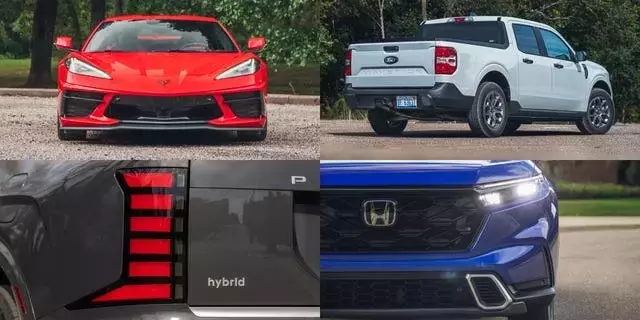
Furthermore, current high fuel prices significantly impact the long-term cost-effectiveness of hybrids, especially for city drivers where their efficiency gains are most pronounced. Hybrids often retain higher resale values, presenting a sound financial choice even for shorter ownership periods. Conversely, those who primarily undertake long-distance journeys might find the simplicity and driving dynamics of a gasoline-only engine more appealing. The article provides specific analyses of several models, including the Honda CR-V, Hyundai Palisade, Subaru Crosstrek, Ford Maverick, Chevrolet Corvette, Kia Carnival, and Mercedes-Benz S-Class, comparing their performance metrics, technological features, fuel economy ratings, and pricing to help buyers navigate this complex landscape.
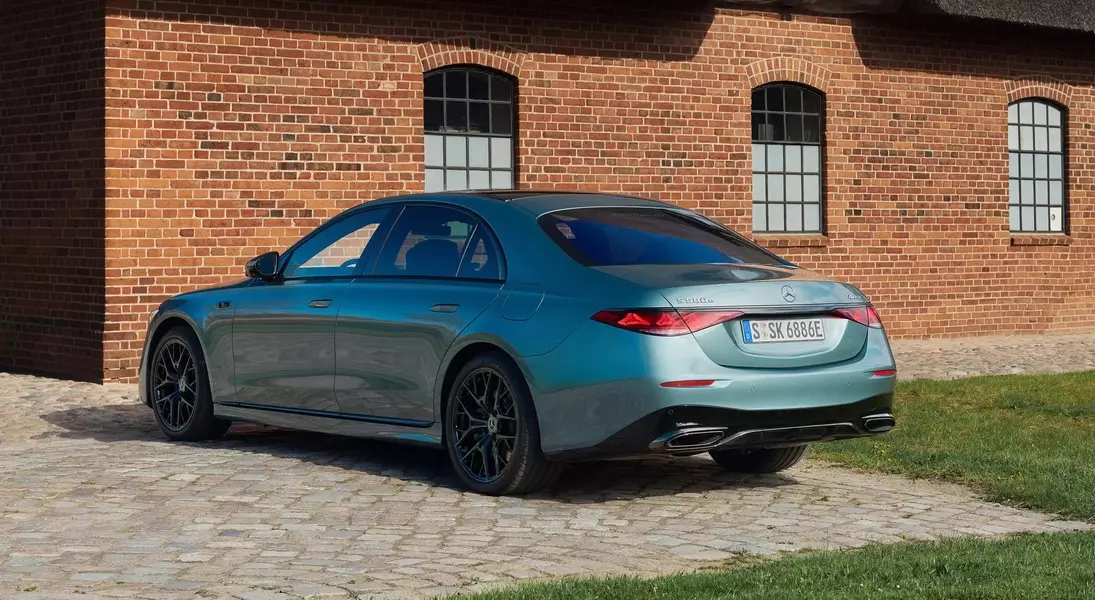
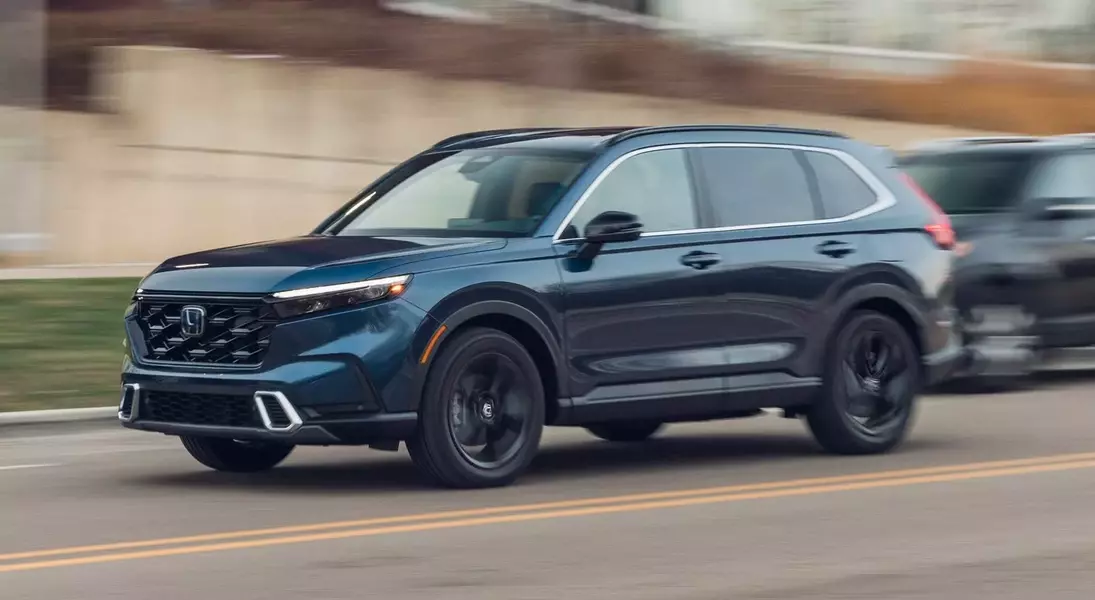
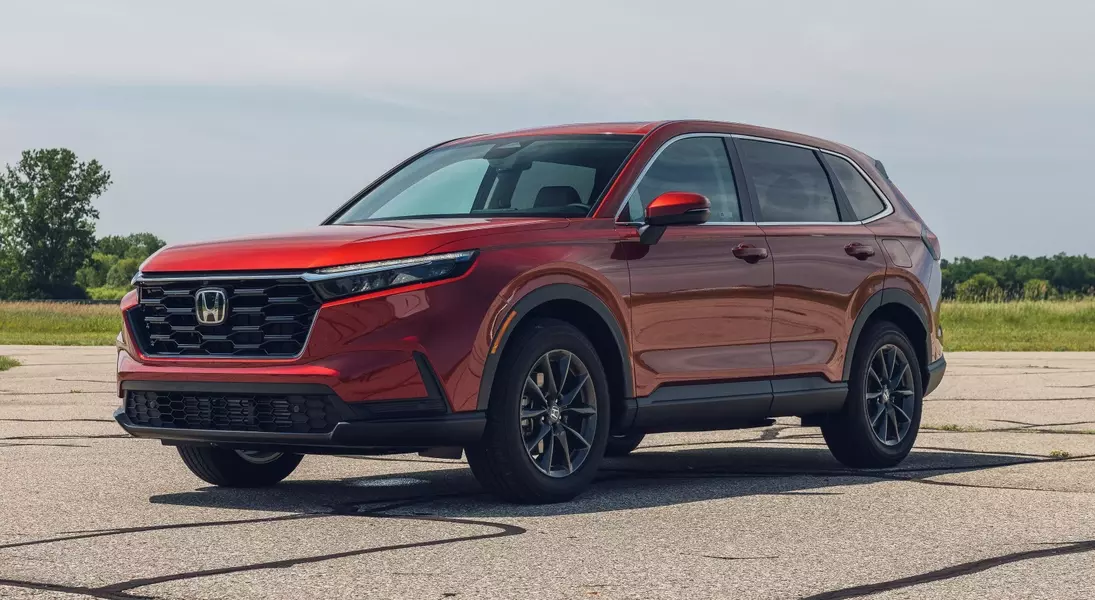
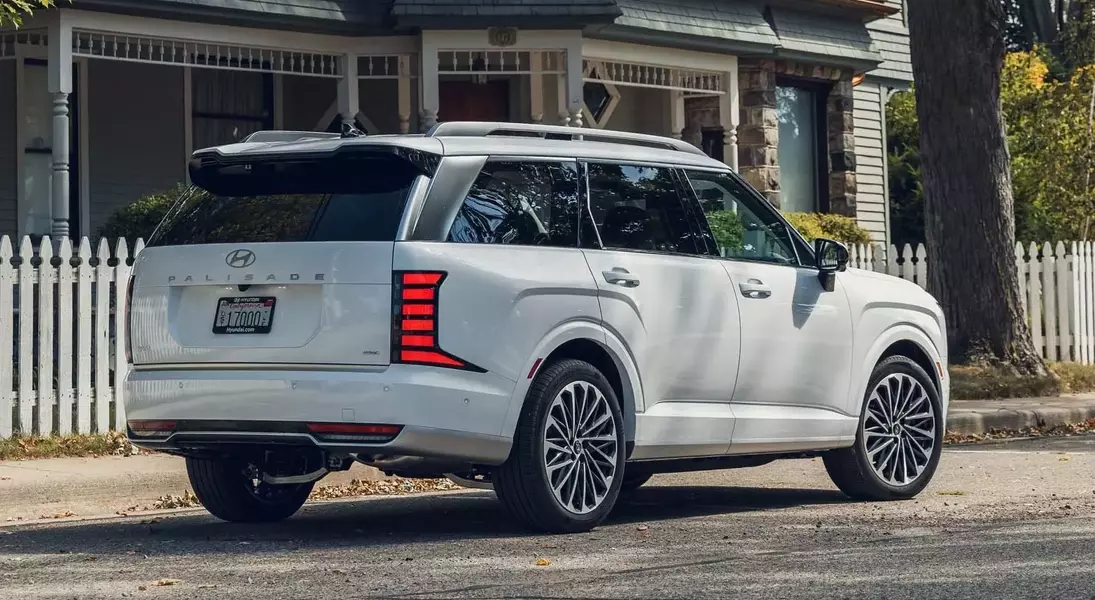
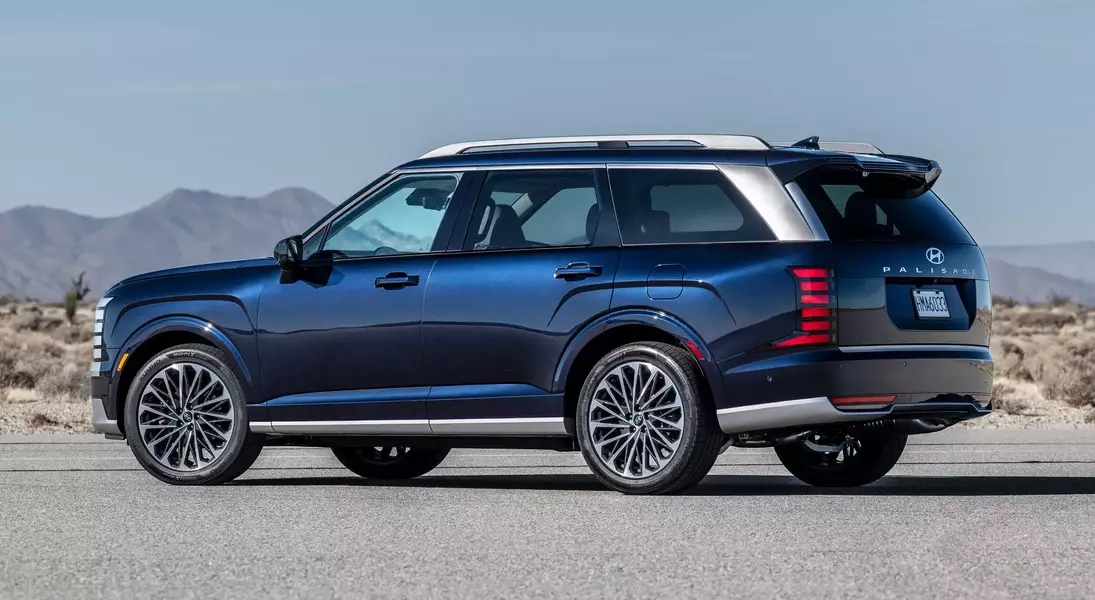
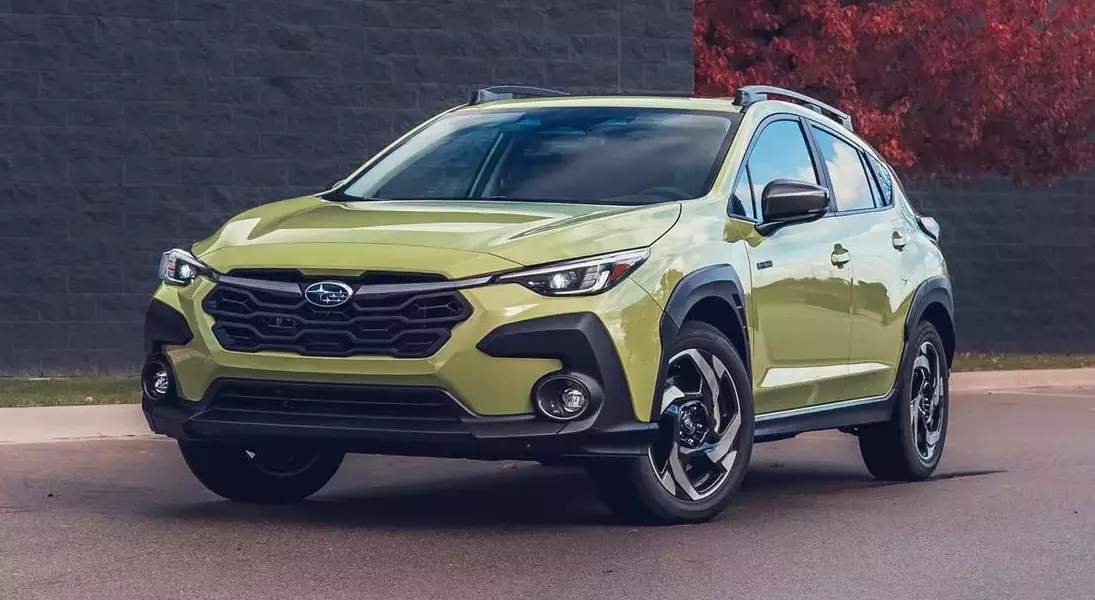
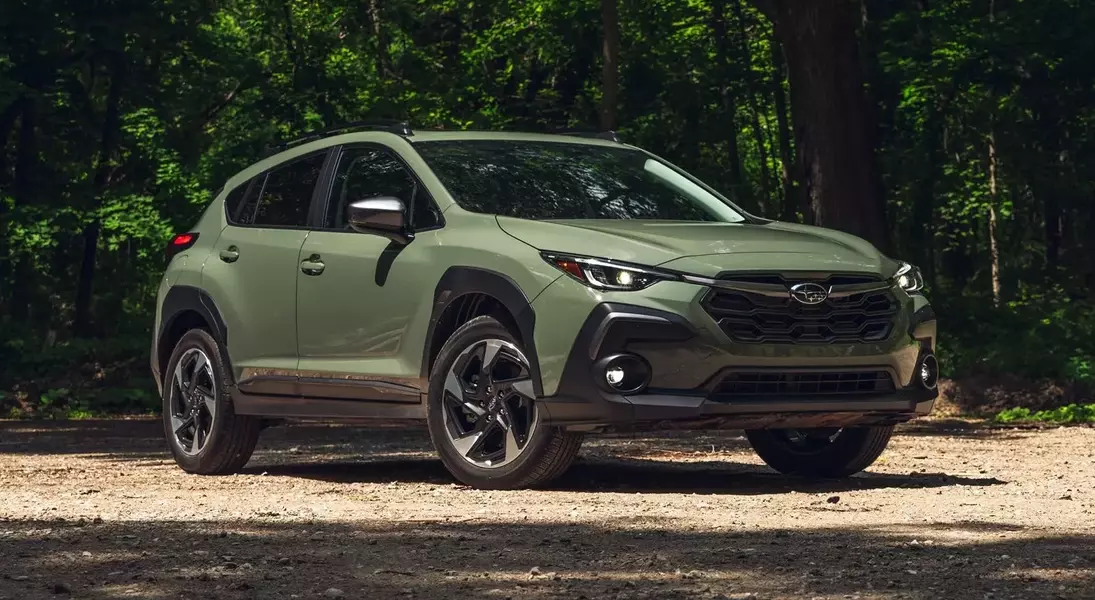
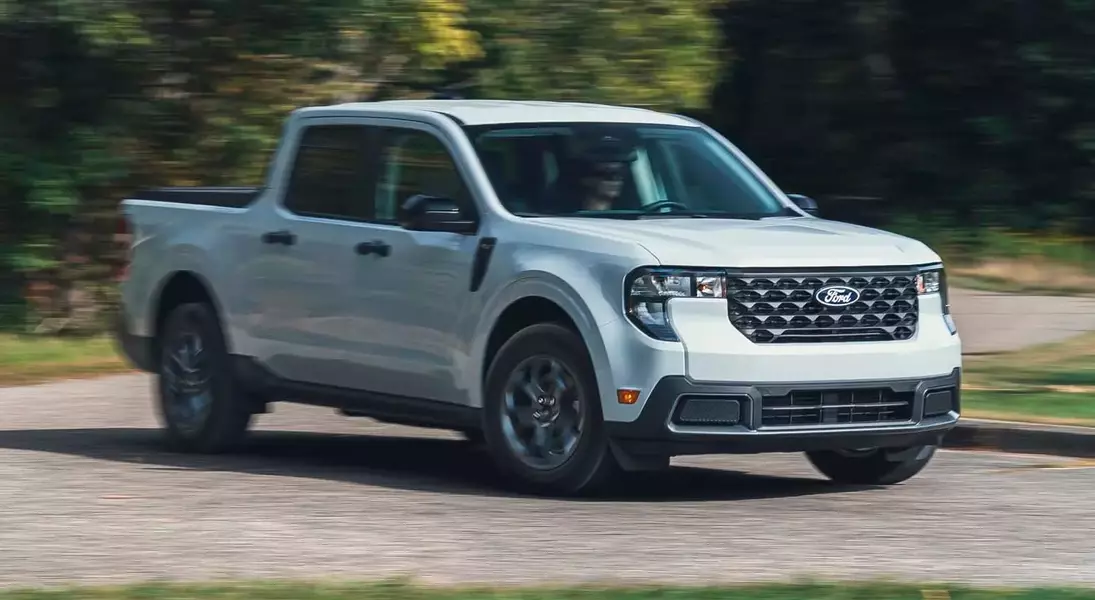
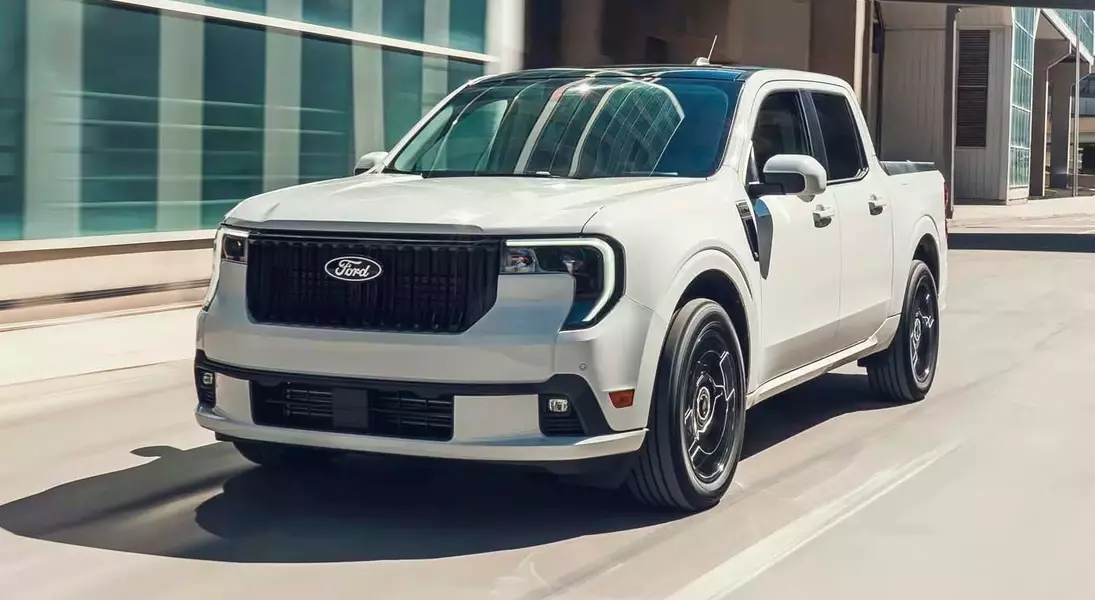
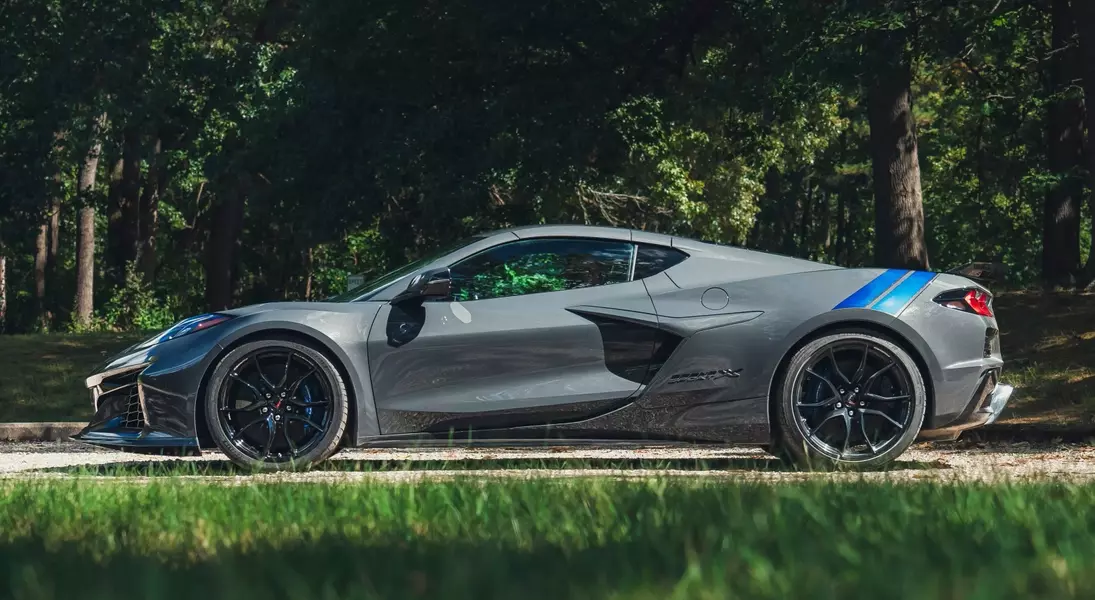
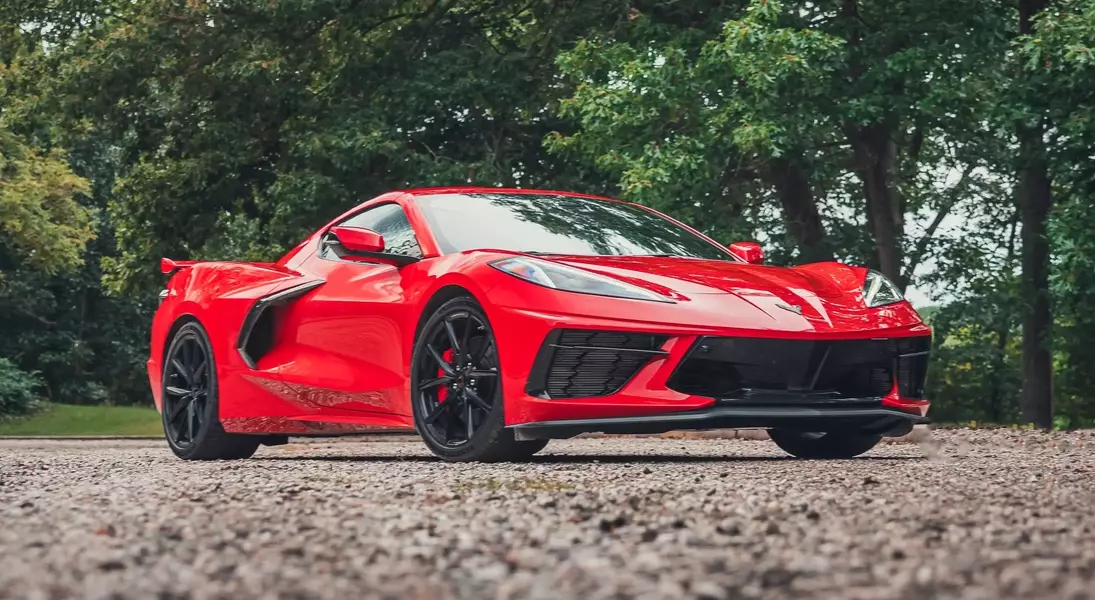
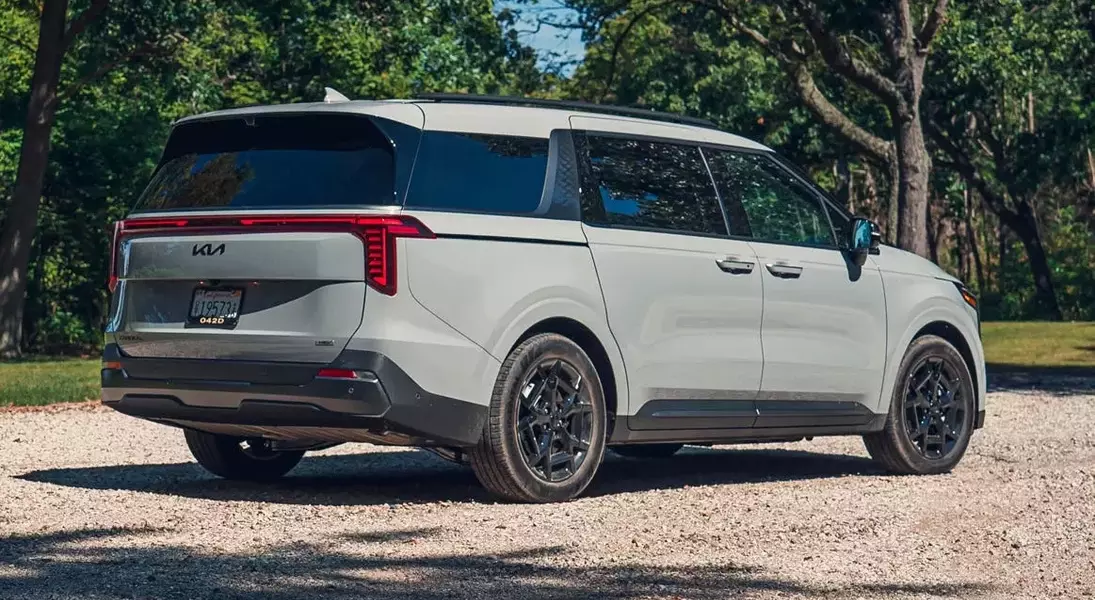
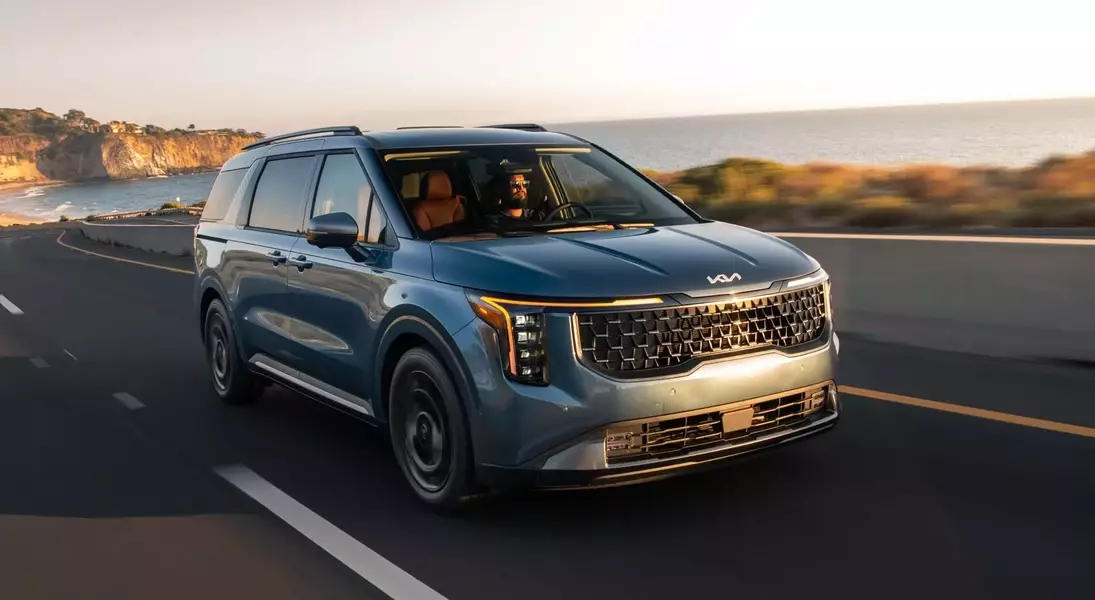
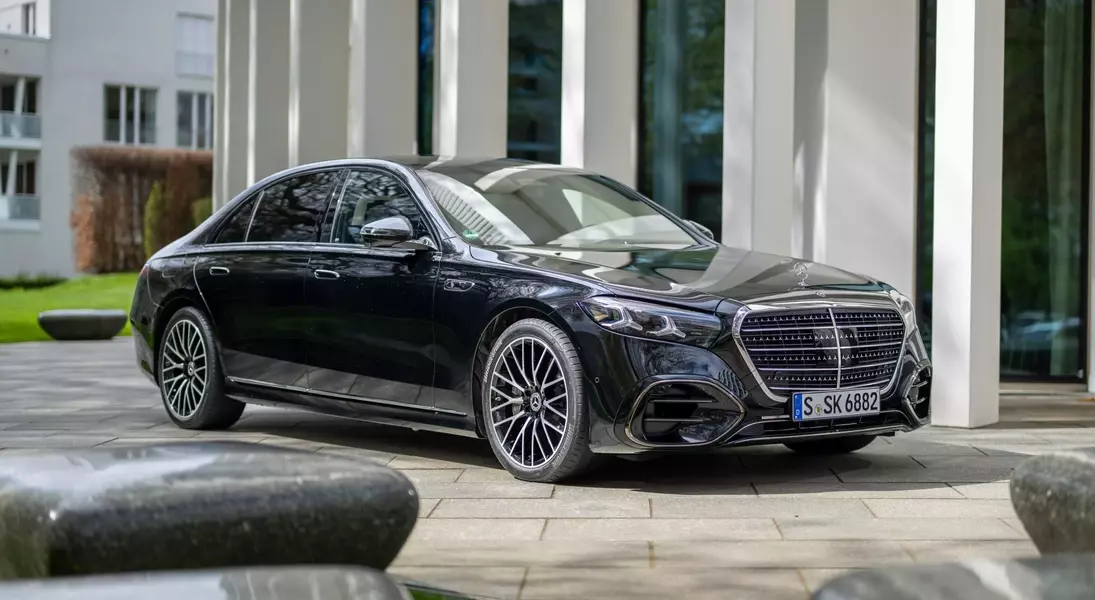
For instance, the Honda CR-V's hybrid variant offers a noticeable boost in acceleration and comes with enhanced features, making it a compelling choice despite its higher price tag. The Hyundai Palisade's hybrid option significantly improves performance over its V6 counterpart, with minimal feature compromises across trim levels. In contrast, the Subaru Crosstrek's hybrid gains in speed and fuel economy are less dramatic, particularly for highway driving, leading to a recommendation for the non-hybrid version for those prioritizing long-distance or off-road excursions. The Ford Maverick's hybrid model is praised for its balance of fuel economy, smooth operation, and competitive pricing, while the Chevrolet Corvette's electrified option, though more powerful, is less recommended due to its performance-focused tuning that results in slightly lower fuel economy and a significantly higher cost. The Kia Carnival's hybrid variant is favored for its fuel savings in urban driving, despite comparable acceleration to its V6 sibling. Lastly, for the Mercedes-Benz S-Class, the article suggests opting for the V8 gasoline model for its robust performance, implying that the hybrid's benefits might not justify the premium for luxury car buyers. These detailed comparisons underscore that the optimal choice between hybrid and gasoline powertrains is highly dependent on individual priorities and driving scenarios.
The automotive market's shift towards diverse powertrain options means that choosing a new vehicle now requires a comprehensive evaluation beyond just initial cost or engine size. Factors such as real-world fuel efficiency in various driving conditions, the availability of advanced technological features across different trims, and the subtle nuances in driving experience between hybrid and conventional models all play a crucial role. This detailed examination aims to empower consumers to make the most suitable decision for their next vehicle purchase, weighing performance, economy, and value.
