In a period where overall new-vehicle sales have largely trended downwards, hybrid cars have emerged as a significant anomaly, experiencing a notable surge in demand during April. This uptick in hybrid purchases is primarily driven by escalating fuel costs, compelling consumers to seek out more economical transportation alternatives. The resilience of the hybrid market indicates a strategic shift in consumer preferences, prioritizing fuel efficiency and cost savings at the pump.
According to comprehensive data released by the National Automobile Dealers Association (NADA), hybrid vehicle sales recorded a robust 9.2 percent increase last month across the United States. This growth is particularly striking given that the broader new-vehicle market witnessed a 7.1 percent contraction in sales, marking the eighth consecutive year-over-year decline. Hybrid models now constitute 14.5 percent of all new vehicles sold, reflecting a 2.1 percent rise in market share compared to the previous year. In contrast, electric vehicles (EVs) have not shared this success, with their sales reportedly dropping by 35.5 percent year-to-date, consequently reducing their total market share to a mere 5.1 percent.
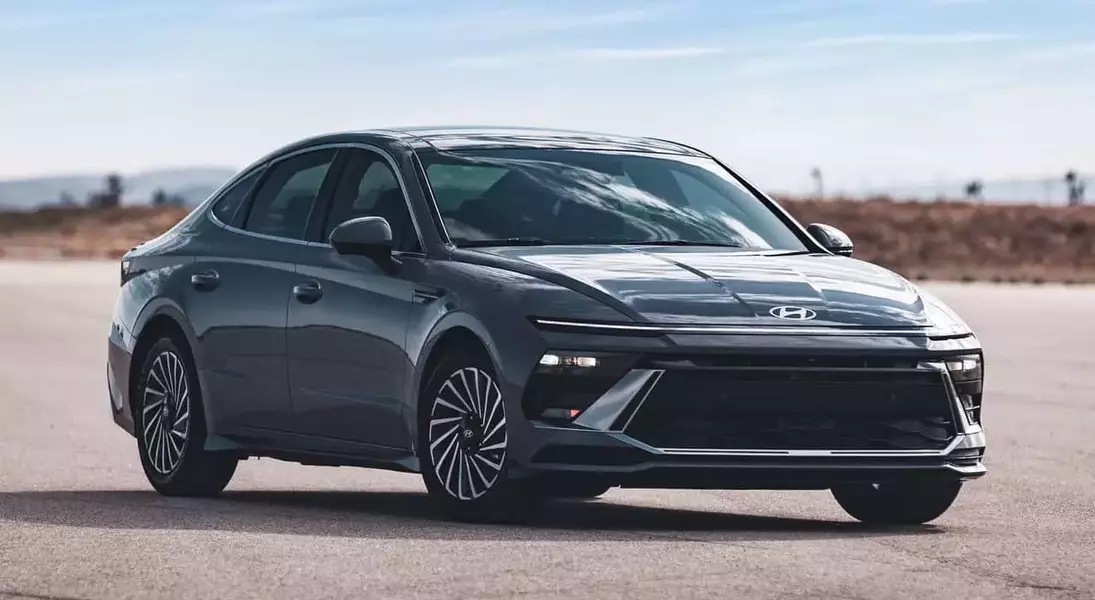
Key players in the hybrid segment, such as Hyundai and Kia, demonstrated impressive performance in April. These South Korean automotive giants collectively sold over 40,000 hybrid models in the US, with hybrids accounting for 30 percent of their total monthly sales. Specific models like the Hyundai Sonata Hybrid and the Kia Sportage Hybrid were instrumental in driving these gains. The Hyundai Sonata Hybrid, for instance, saw a remarkable 170 percent increase in sales, moving 4,520 units and achieving its best sales month to date. Similarly, the Elantra Hybrid recorded a 55.3 percent increase with 2,399 units sold, while the Kia Sportage Hybrid's sales climbed by 65.2 percent to 7,446 units.
Beyond Hyundai and Kia, other manufacturers are also benefiting from this trend. Toyota, a long-standing leader in hybrid technology, announced in March that electrified vehicles, including hybrids, plug-in hybrids, and electric vehicles, comprised more than half of its total US sales, amounting to 287,276 units. Lexus, Toyota's luxury division, reported significant gains for models such as the LX Hybrid and NX Plug-in Hybrid, with sales of 832 and 3,229 units respectively. While these individual figures might seem modest, they represent substantial year-over-year growth, underscoring the increasing appeal of hybrid options.
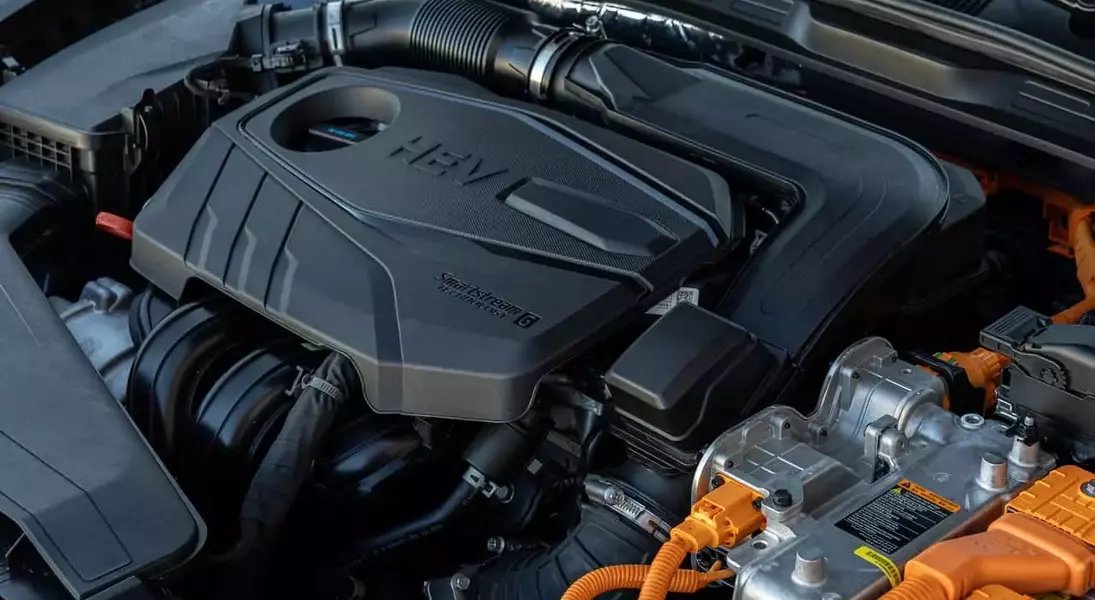
The sustained rise in gasoline prices continues to influence consumer purchasing decisions, making hybrid vehicles an increasingly attractive option for many Americans. The combination of a traditional internal combustion engine with a compact battery pack offers exceptional fuel economy, with some hybrid models achieving up to 57 miles per gallon. This efficiency provides a compelling economic advantage, offering relief from high fuel costs without the full commitment to electric vehicle infrastructure and charging requirements. The automotive landscape is clearly undergoing a transformation, with hybrids playing a pivotal role in bridging the gap between conventional gasoline-powered cars and fully electric alternatives, catering to a growing demand for cost-effective and environmentally conscious transportation.
