

The cinematic landscape prior to 1975 featured a distinct distribution model, where films were typically introduced in major urban centers before gradually expanding to wider audiences. During this era, the summer months were traditionally considered a dormant period for movie releases, with the prevalent belief that audiences were engaged in outdoor activities rather than seeking indoor entertainment. Consequently, major film premieres were often reserved for the holiday season.
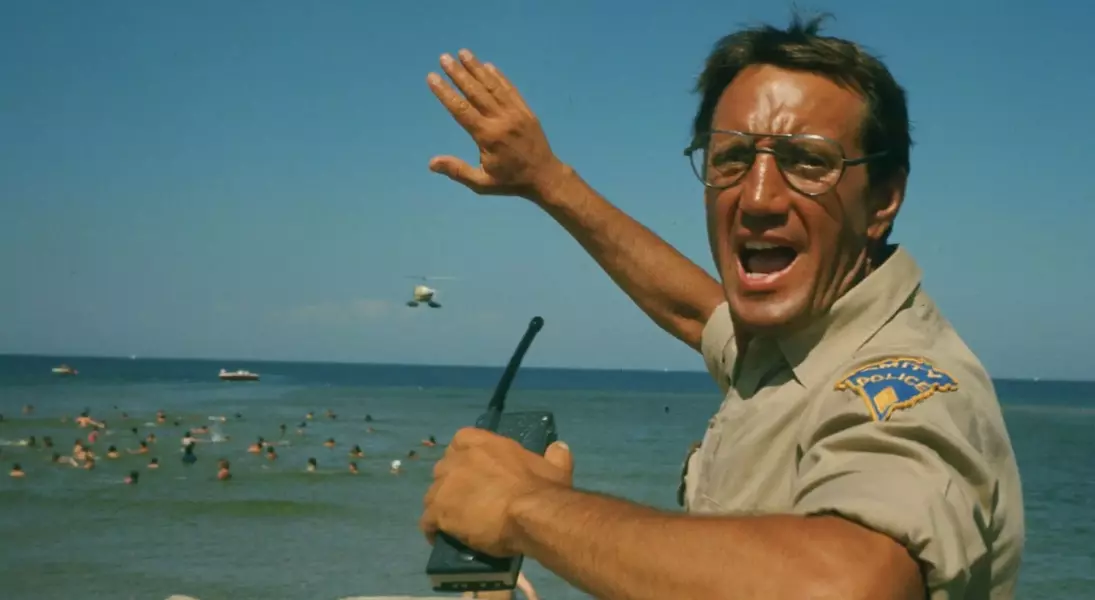
However, this established pattern was irrevocably altered by the release of a single motion picture, an enduring masterpiece that continues to captivate viewers and is now conveniently accessible for streaming. This groundbreaking film centers on a menacing great white shark that terrorizes the tranquil coastal community of Amity Island. Following a tragic incident involving a young woman, Police Chief Martin Brody, a newcomer to the area, advocates for beach closures. His efforts are met with strong opposition from the town's mayor, who prioritizes preserving tourist revenue over public safety. As the shark's attacks escalate, panic spreads throughout the community. Marine biologist Matt Hooper is called in to assist in tracking the creature, and eventually, Brody and Hooper enlist the expertise of Quint, a renowned shark hunter from Amity Island, to confront the formidable predator.
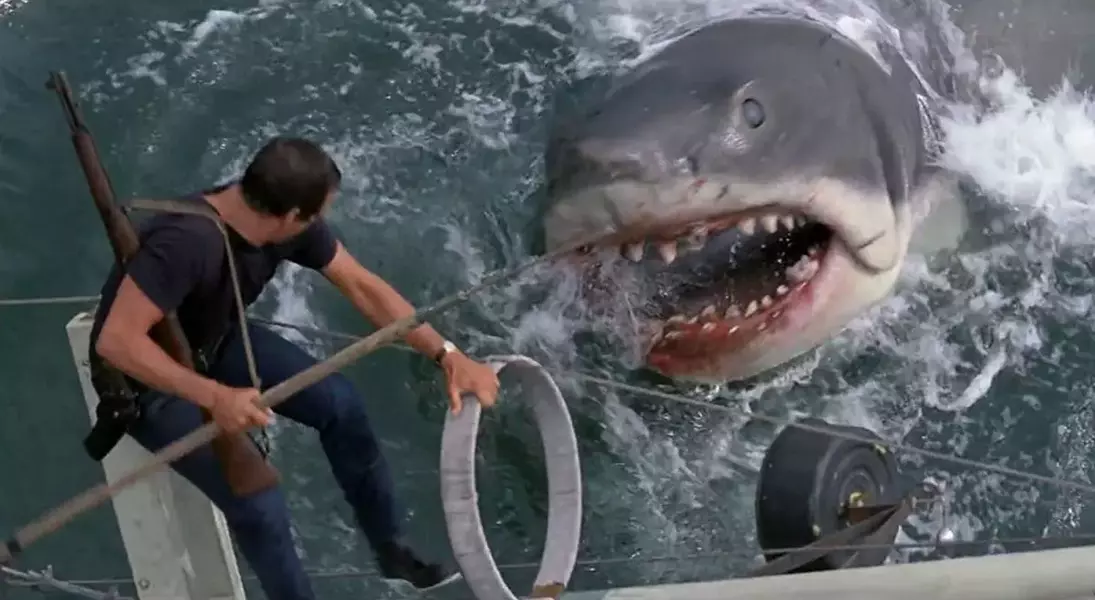
The production of this iconic film was fraught with difficulties, yet these challenges ultimately contributed to its artistic triumph. Director Steven Spielberg, entrusted with a significant budget for the adaptation of Peter Benchley's popular novel, encountered numerous obstacles, including persistent malfunctions with the mechanical shark and the complexities of filming in the open ocean. These issues led to substantial budget and schedule overruns, causing Spielberg to fear for his future career. Paradoxically, the malfunctioning mechanical shark compelled Spielberg to employ it sparingly, a creative constraint that heightened the film's suspense, focusing on the dread of an impending attack rather than explicit visuals. This forced restraint culminated in a spectacular finale, where the three protagonists confront the enormous creature on the vast expanse of the sea. The film's immense success, including its unprecedented marketing campaign and nationwide release, reshaped the film industry. Its phenomenal box office performance, followed by the equally successful release of 'Star Wars,' solidified the summer blockbuster model with simultaneous wide releases, a practice that continues to define major cinematic events today.
Beyond its historical impact, the film remains a truly exceptional work, retaining its power to thrill and engage audiences decades later. The judicious use of the shark maintains a palpable tension that builds throughout, leading to an exhilarating confrontation aboard Quint's fishing vessel. The narrative is further enriched by three unforgettable lead characters: the conflicted Chief Brody, the earnest and humorous Matt Hooper, and the charismatic, grizzled shark hunter, Quint. One particularly memorable scene, where the three men share drinks and compare scars, exemplifies the film's masterful character development, showcasing their unique personalities and evolving bonds. This deep character exploration, combined with the intense climax on the open water, transforms a compelling story into an unforgettable cinematic experience. For all these reasons, this film is far more than a historical artifact; it is a remarkably scary, fun, tense, and entertaining movie that continues to enthrall viewers, proving its timeless appeal and enduring legacy in the world of cinema.
