In recent years, the concept of the multiverse has permeated popular culture, particularly in cinematic universes, promising endless narrative possibilities. However, this boundless potential has often devolved into predictable formulas, with major studios investing heavily in visually stunning but emotionally hollow explorations of parallel dimensions. Amidst this landscape, a critically acclaimed independent film from 2022 emerged, offering a refreshing and deeply personal interpretation of the multiverse that resonated with audiences and critics alike, demonstrating that ingenuity can surpass immense budgets.
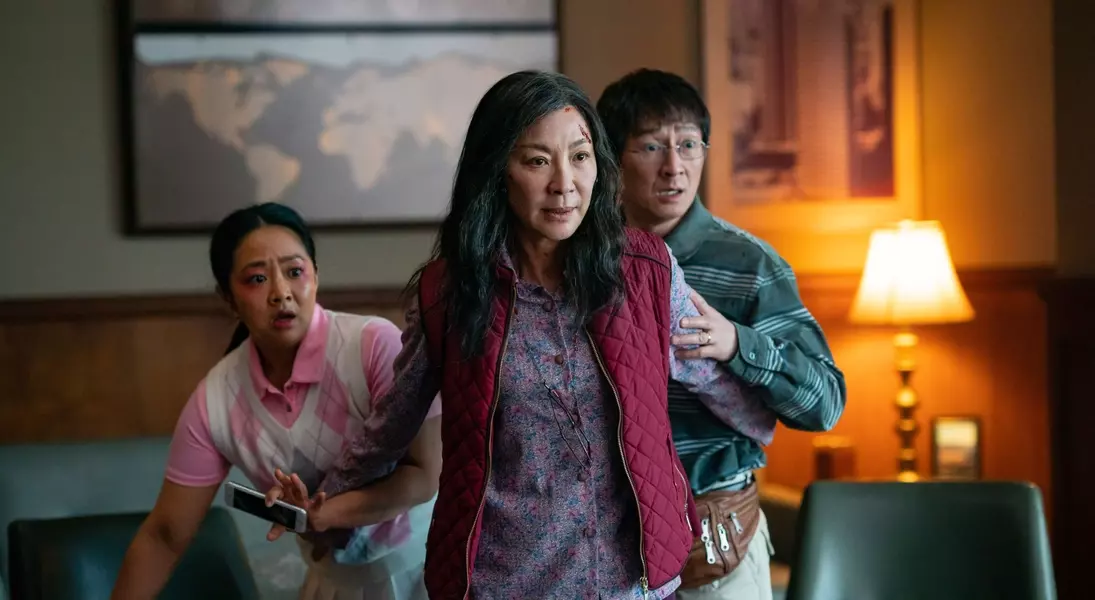
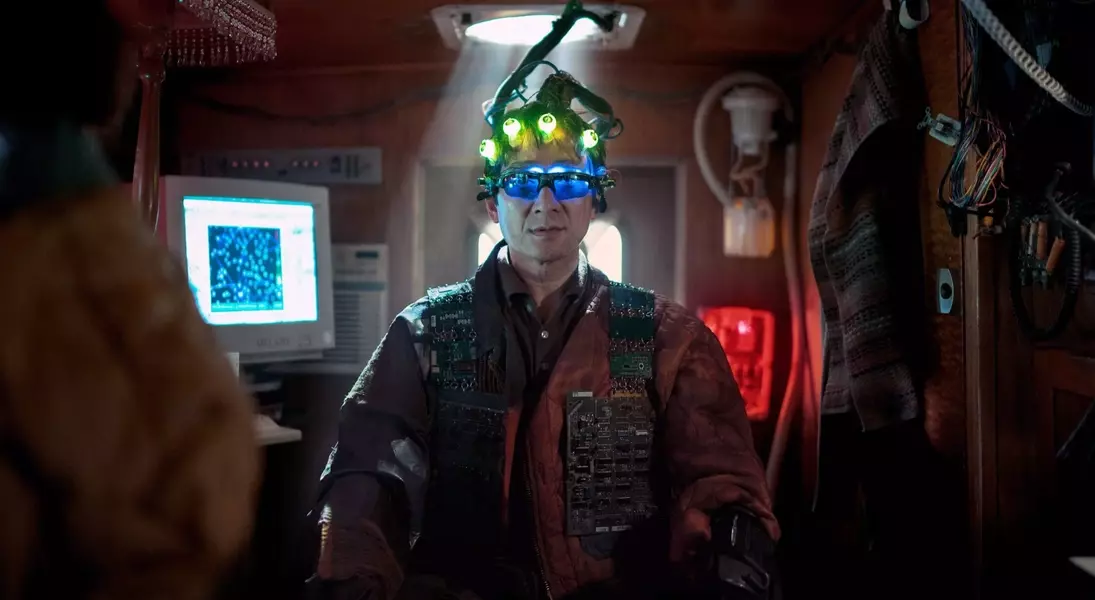
This groundbreaking film, 'Everything Everywhere All at Once,' which transitioned to Tubi from HBO Max in late June, distinguishes itself by treating the multiverse not as an end in itself, but as a dynamic backdrop for exploring profound human experiences. The directors, affectionately known as 'The Daniels,' skillfully utilized the vast array of alternate realities to delve into the intricate trauma of a single family. For them, the multiverse transcended a mere narrative device; it served as a conduit for exploring universal emotions such as regret, sorrow, and existential angst. Lead actor Michelle Yeoh portrays Evelyn Wang, a struggling laundromat owner whose unexpected journey through various versions of herself propels her into a multiversal conflict. Yet, instead of adhering to the typical superhero narrative, the movie takes countless unpredictable turns, crafting a uniquely bizarre and intimate story within the multiverse genre. Unlike many blockbusters, this film prioritizes personal stakes over cosmic ones, with each fantastical reality, from hot dog fingers to silent sentient rocks, revealing deeper insights into its characters. The film's humor and absurdity are not mere distractions but integral elements that amplify its emotional core.
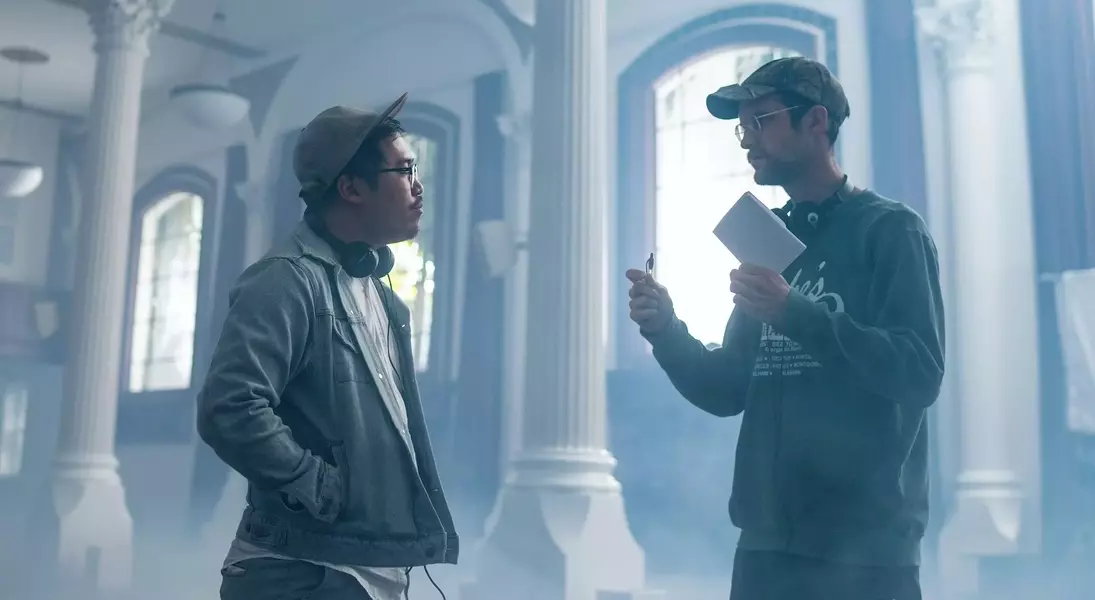
The creative vision behind 'Everything Everywhere All at Once' starkly contrasts with the formulaic approaches seen in many mainstream productions. While some franchises use the multiverse as a convenient sandbox for intellectual property and future crossovers, 'The Daniels' focused on amplifying the emotional resonance of their story. Having honed their craft over 15 years through low-budget projects, they brought a pragmatic yet imaginative approach to the film, relying on practical effects and DIY filmmaking techniques to achieve a spectacular look with a budget significantly less than initially projected. This resourcefulness fostered a deeply authentic and moving experience, making the film's diverse worlds feel lived-in rather than purely fantastical. Production designer Jason Kisvarday intentionally rooted the multiverse's chaos in the mundane, transforming ordinary locations like a disused office building and a real Los Angeles laundromat into integral parts of the narrative. This commitment to tangible realism and 'controlled silliness' imbues the film with a unique soul, setting it apart from more mechanically produced multiverse narratives.
'Everything Everywhere All at Once' reminds us that true cinematic power lies not in endless spectacle or limitless budgets, but in the ability to craft deeply human stories that explore universal themes. It challenges the prevailing notion that infinite possibilities diminish the weight of individual choices, instead arguing that they amplify their significance. By anchoring its fantastical premise in genuine emotion and innovative storytelling, the film offers a powerful testament to the enduring impact of creativity, empathy, and the profound beauty found in the seemingly ordinary.
