

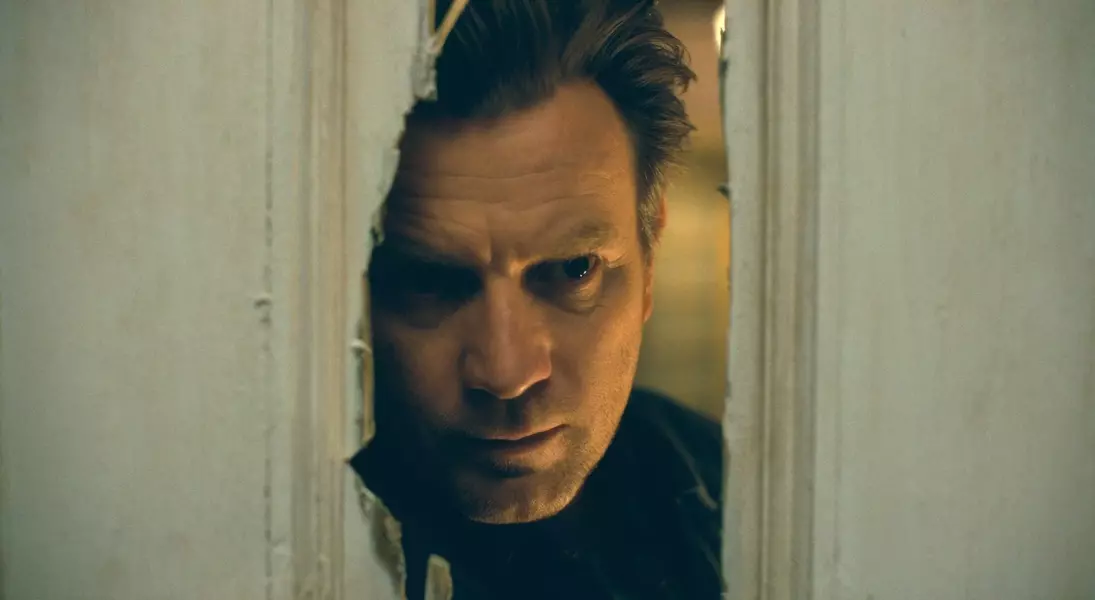
For decades, Stephen King famously disliked Stanley Kubrick's cinematic interpretation of his novel, 'The Shining'. However, a new film, 'Doctor Sleep', has finally brought about a reconciliation. This sequel masterfully wove together King's literary narrative with Kubrick's distinct visual style, leading to the legendary author's approval and changing his perspective on the iconic horror movie.
The Cinematic Bridge: Mike Flanagan Unites Two Visions
Stephen King had always voiced strong objections to Stanley Kubrick's film adaptation of 'The Shining', particularly regarding casting choices and character portrayals. He notably preferred actors like Martin Sheen for Jack Torrance over Jack Nicholson, finding Nicholson's persona too inherently volatile. Furthermore, King criticized Kubrick's depiction of Wendy Torrance, played by Shelley Duvall, labeling it as one of cinema's most misogynistic characters. Yet, the acclaimed horror author and director Mike Flanagan, through his adaptation of King's sequel novel 'Doctor Sleep', managed to mend this long-standing rift. Flanagan's approach, which deliberately integrated elements of Kubrick's film into his version of 'Doctor Sleep', ultimately led King to embrace Kubrick's vision. Now streaming on Paramount Plus, 'Doctor Sleep' not only captivated audiences but also succeeded in achieving what many thought impossible: winning over King's approval for the film he once derided.
This narrative is a testament to the power of creative adaptation and the evolution of artistic perspective. It highlights how a director's respect for both original source material and a prior cinematic rendition can yield a work that satisfies multiple artistic sensibilities. King's change of heart demonstrates that even the most deeply held artistic disagreements can be overcome by a thoughtful and skillful reimagining.