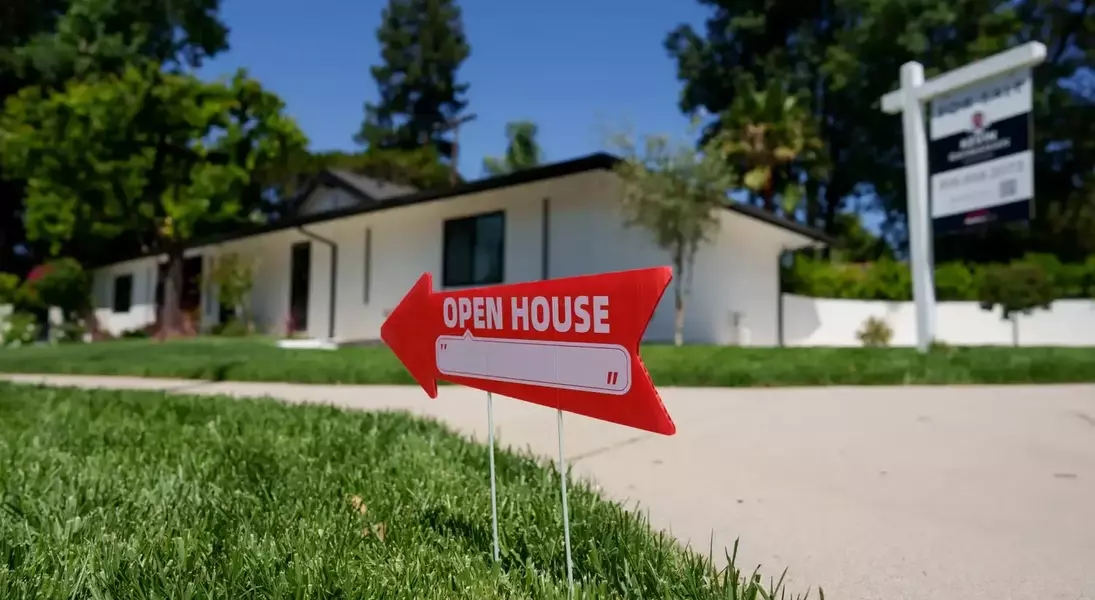
The housing market is currently experiencing a notable shift, with an unprecedented surge in available homes compared to active purchasers. This imbalance, reaching its most significant point in more than a decade, suggests a cooling period in real estate activity. Despite the increased inventory, home values paradoxically continue to appreciate, further complicating the landscape for potential homeowners grappling with elevated borrowing costs.
December Sees Record Disparity Between Home Sellers and Buyers
In December, a striking divergence emerged within the U.S. housing market: the number of individuals listing their properties for sale dramatically surpassed those actively seeking to purchase. This created an extraordinary 47% gap, signifying the largest disparity recorded since Redfin began tracking these metrics in 2013, representing a substantial increase of over 22 percentage points from the previous year. This growing surplus of available homes, despite persistent high median prices—reaching $405,400 due to 30 consecutive months of appreciation—points to an intricate market dynamic. Industry experts, like Dallas-based Redfin agent Connie Durnal, noted that many sellers remain reluctant to adjust prices downward, causing properties to linger on the market. Meanwhile, the pool of potential buyers has shrunk to its lowest recorded level, with only 1.34 million active participants in December. Although total housing inventory in December increased compared to the prior year, it saw a sharp decline from November, indicating that while new listings are entering the market, many existing properties are being withdrawn. Lawrence Yun, Chief Economist at the National Association of Realtors, commented on the tight inventory levels, suggesting that homeowners are taking their time to decide when to list their residences. Despite these challenges, existing home sales witnessed a 5.1% increase in December over November, marking the strongest month for sales in almost three years. However, overall sales for 2025 remained at historically low levels, with Yun characterizing it as “another tough year for homebuyers” due to high prices and low transaction volumes. While areas in the South and West, particularly Texas and Florida, showed a strong seller's advantage, certain markets like Nassau County, New York, Montgomery County, Pennsylvania, Newark, New Jersey, Milwaukee, and New Brunswick, New Jersey, saw buyers outnumbering sellers.
This evolving market scenario underscores the ongoing tension between supply and demand, influenced heavily by macroeconomic factors like mortgage rates and housing affordability. For the economy, a slowdown in the housing sector can dampen overall growth by impacting construction, home improvement, and consumer mobility. Prolonged weakness in housing could lead to slower inflation but also undermine consumer confidence and job growth in real estate-related industries. This environment demands careful consideration from both buyers and sellers as they navigate a market characterized by paradoxes and persistent challenges.
