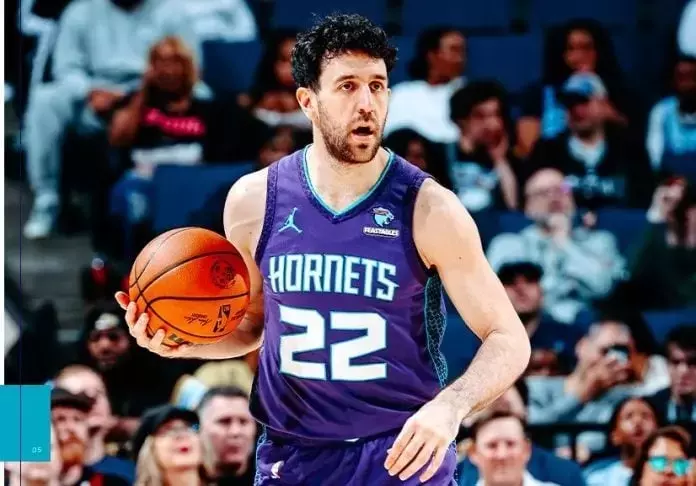
In a notable development on draft night, the Charlotte Hornets successfully reacquired Serbian guard Vasilije Micic from the Phoenix Suns. This move signals a deliberate strategy by the Hornets to bring back a familiar face while simultaneously bolstering their future draft capital. The intricate deal involved sending center Mark Williams to the Suns, in exchange for Micic, the 29th overall pick in the current draft, and a valuable 2029 first-round selection. This multifaceted trade underscores the dynamic nature of NBA team building, as both franchises strategically address their distinct roster needs through this exchange.
Micic’s return to Charlotte marks a swift reunion after a short period with the Suns. The 31-year-old guard, who previously showcased his skills with the Hornets, played sparingly for Phoenix following his acquisition at the February trade deadline. His time with the Suns saw limited minutes, leading to speculation about the potential decline of his team option. However, this trade ensures his continued presence in the NBA, averting a possible return to Europe where several prominent clubs, including Crvena Zvezda and Fenerbahce, had expressed keen interest in the former EuroLeague MVP. For the Hornets, bringing back Micic integrates a player with recent team experience into their developing roster, complementing their selection of Duke forward Kon Knueppel with the fourth overall pick.
Conversely, the Phoenix Suns executed this trade to fortify a critical area of their team: interior presence. The acquisition of 7-foot center Mark Williams from the Hornets, combined with their 10th overall pick, Khaman Maluach, directly addresses their previous struggles with size and depth in the paint. This strategic enhancement of their frontcourt is aimed at improving their performance after a challenging season that saw them miss the playoffs. The inclusion of a protected 2029 first-round pick in the deal provides the Hornets' new general manager, Jeff Peterson, with greater flexibility as the team embarks on a comprehensive rebuilding phase, seeking to ascend from their 19-63 record. This trade illustrates how teams leverage draft night opportunities to fine-tune their rosters, reflecting a constant pursuit of competitive advantage.
This trade exemplifies the continuous evolution of NBA rosters, where strategic foresight and adaptability are key. By making calculated moves to secure talent and future assets, teams like the Hornets and Suns demonstrate a commitment to long-term success and growth. Such transactions are not merely about swapping players, but about building a stronger foundation and fostering a positive team culture that values both individual skill and collective ambition.
