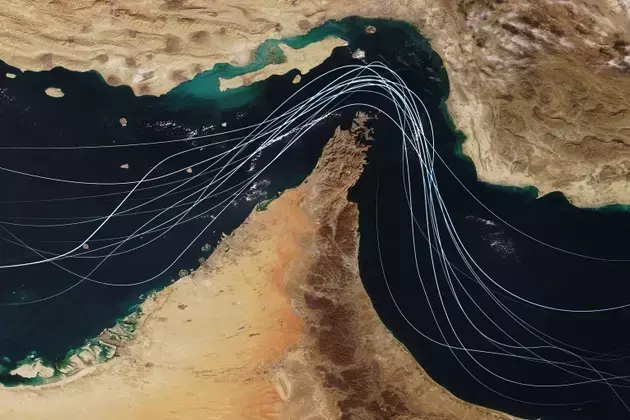
The Strait of Hormuz, a vital global waterway, has recently experienced significant disruptions, with traffic sharply declining since early March 2026. This strait is crucial for over one-fifth of the world's seaborne oil and liquefied natural gas (LNG) trade. However, the ripple effects of these disruptions are not confined to the energy sector; they cascade into various other industries, profoundly impacting global supply chains and economic stability.
One of the most immediate and critical consequences is the impact on the agricultural sector. The strait's instability has severely constrained the supply of fertilizers, leading to a substantial increase in production costs for farmers worldwide. This escalation in input costs inevitably translates into higher food prices, contributing to broader inflationary pressures. Furthermore, the limited availability and increased cost of fertilizers are forcing changes in crop cultivation practices and global food distribution patterns, threatening food security and altering traditional agricultural landscapes.
Beyond agriculture, these disruptions trigger third-order commodity effects, creating a complex web of economic challenges. Industries reliant on energy and raw materials face escalating costs, potentially stifling production and economic growth. While some sectors might experience uneven outcomes, the overall trend points towards a period of heightened inflation and economic uncertainty. The interconnectedness of global markets means that what begins as a regional maritime issue can quickly evolve into a worldwide economic phenomenon, demanding coordinated international responses.
In understanding these challenges, we must recognize that economic stability is a shared global responsibility. Disruptions in one region can trigger far-reaching consequences, emphasizing the importance of international cooperation and proactive strategies to mitigate risks. By fostering resilient supply chains, investing in alternative resources, and promoting sustainable practices, we can collectively work towards a more secure and prosperous future, turning potential crises into opportunities for innovation and collaboration.
