
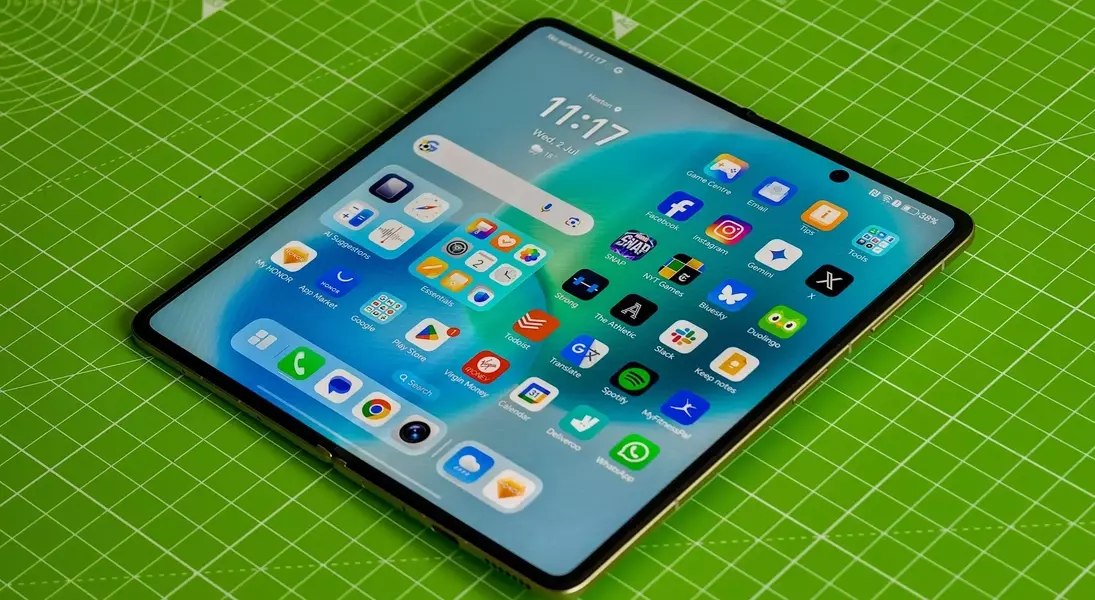
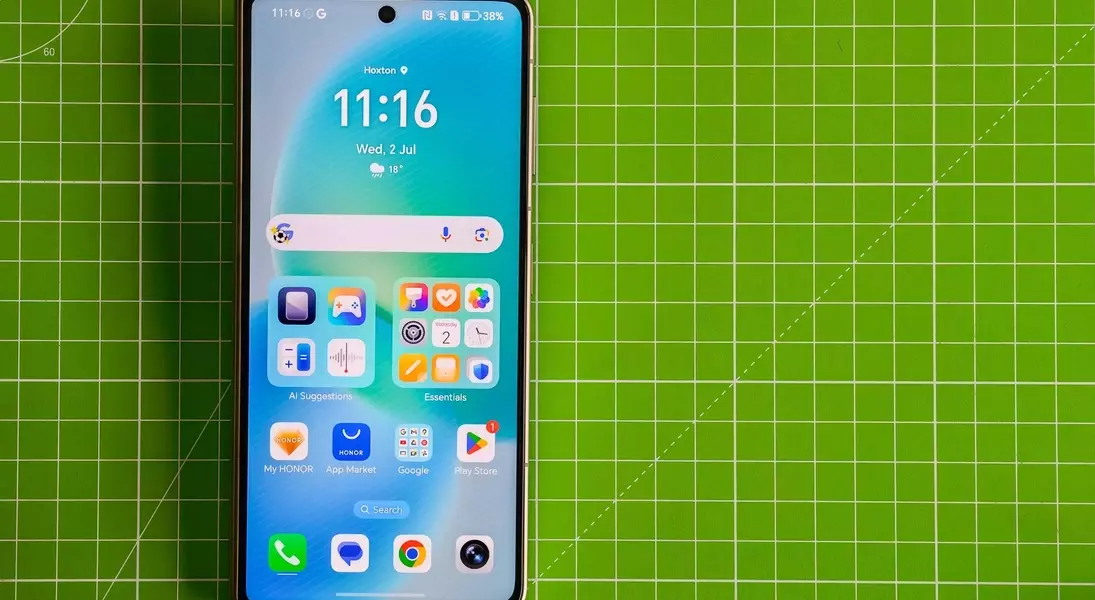
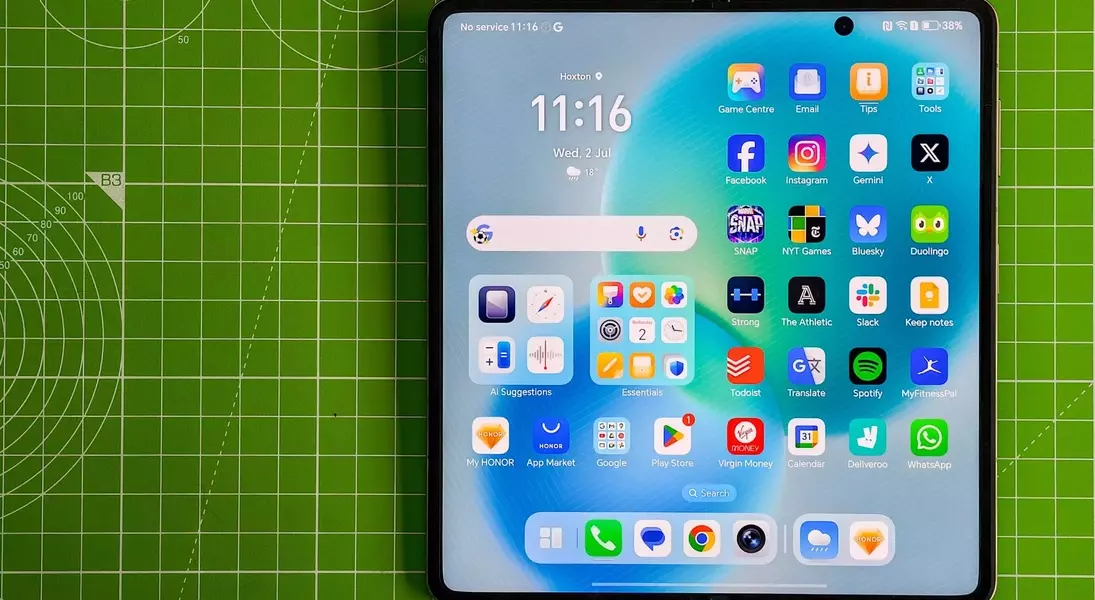















Honor's latest foldable marvel, the Magic V5, redefines expectations for thinness in the book-style foldable phone category. While its marginal reduction in thickness compared to rivals like the Oppo Find N5 and Samsung Galaxy Z Fold 7 is almost imperceptible, the true innovation lies in its exceptional battery life. This device addresses a significant pain point for many foldable phone users, offering impressive endurance powered by cutting-edge silicon-carbon battery technology. Coupled with robust performance, vivid displays, and competent camera capabilities, the Magic V5 presents a compelling alternative to established players in the foldable smartphone arena, particularly for consumers in European markets.
The Honor Magic V5: A Deep Dive into Design, Performance, and Unprecedented Battery Endurance
In a significant move for the foldable smartphone segment, Honor officially introduced its Magic V5 to European markets on a radiant August 28, 2025, following its initial debut in China. Priced at approximately £1,699.99 / €1,999 (around $2,300), this device aims to disrupt the foldable landscape, offering a unique blend of sleek design and advanced internal components. It's important to note that, as of its European release, official availability in the United States remains uncertain.
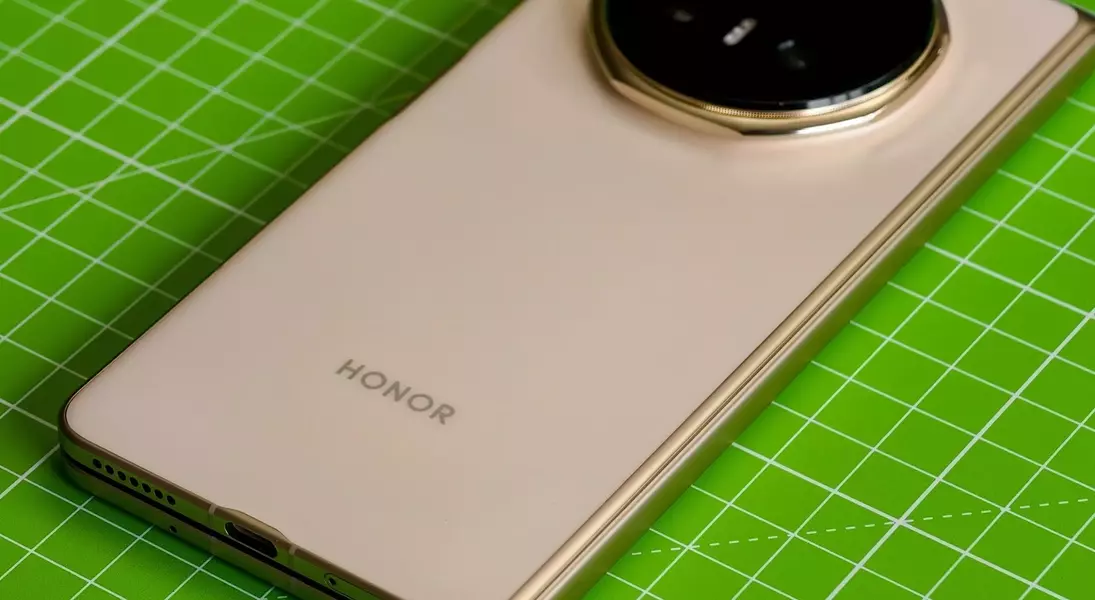
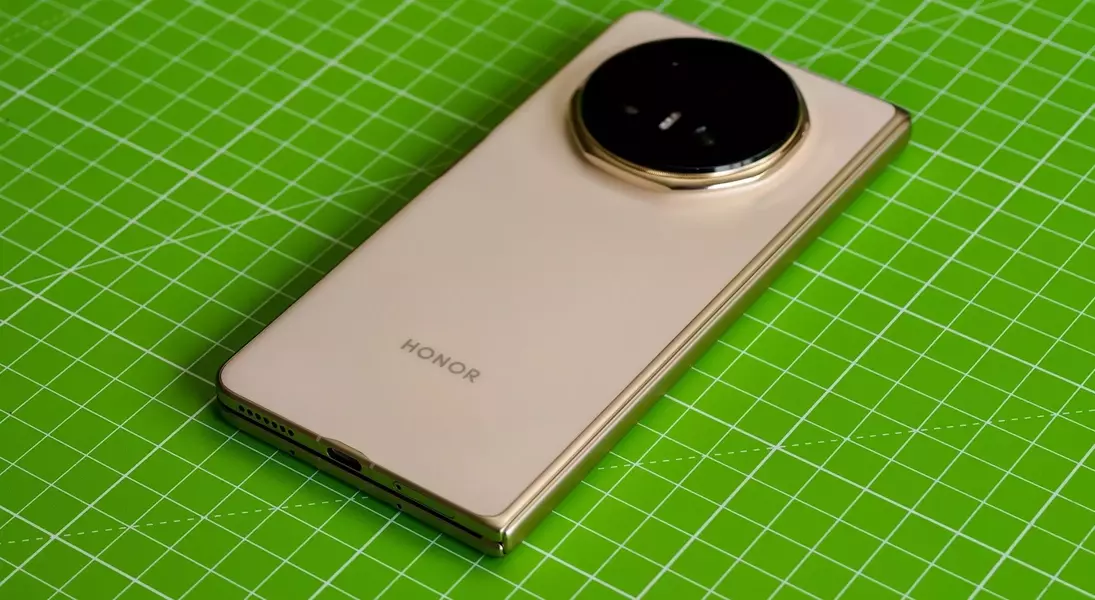
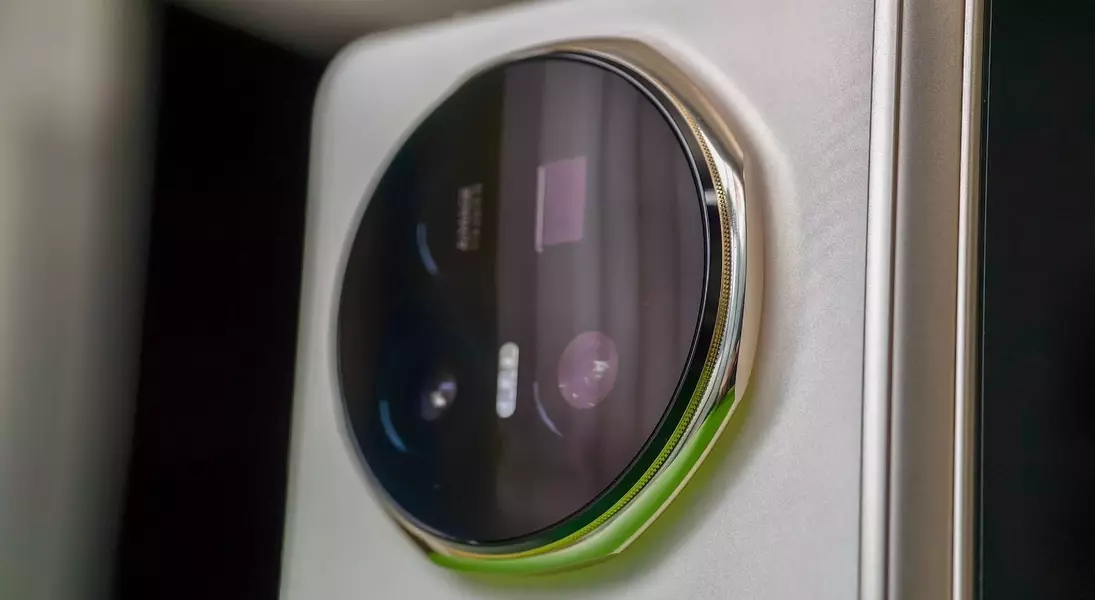
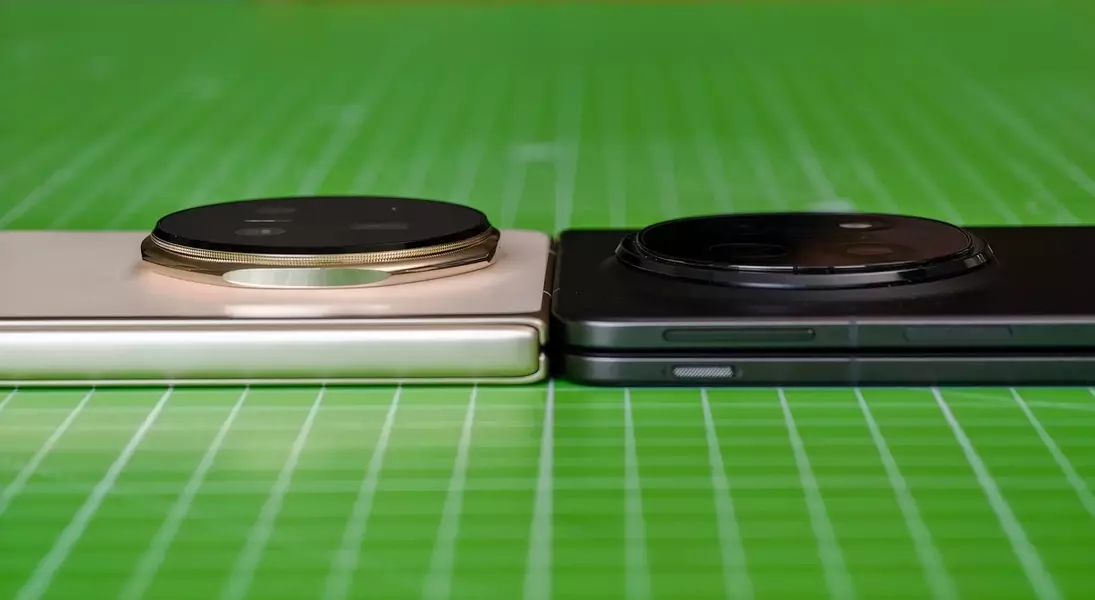
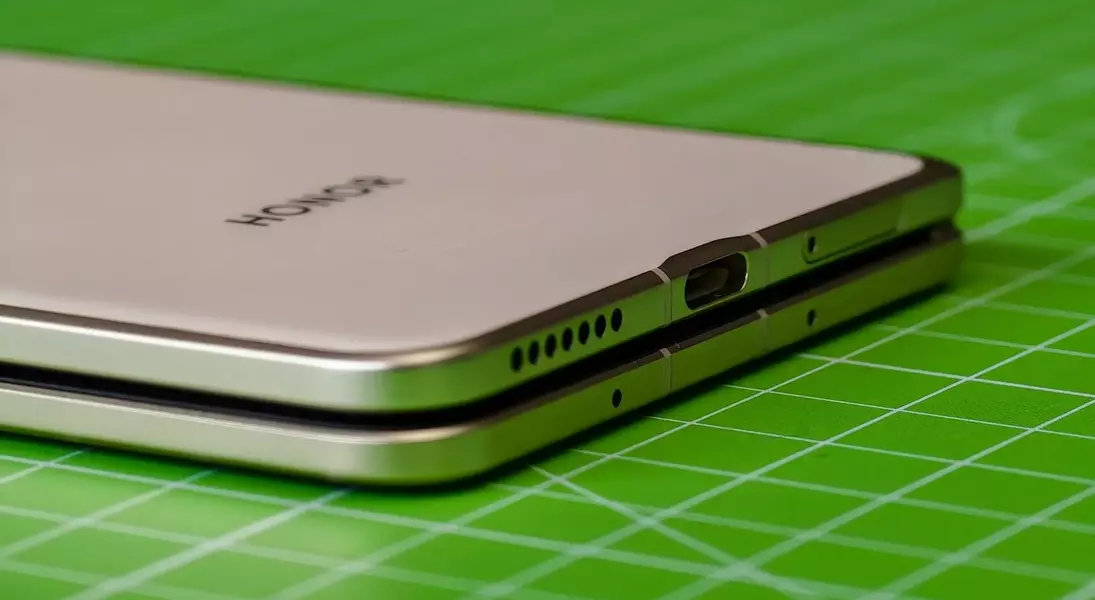
The Magic V5 proudly carries the distinction of being the world's slimmest book-style foldable, measuring a mere 4.1mm when unfolded and 8.8mm when elegantly closed. While this dimension technically edges out competitors like Samsung's and Oppo's latest foldables by a fraction of a millimeter (0.1mm to be precise), the difference is practically unnoticeable in everyday handling. It is worth highlighting that this record-breaking thinness applies primarily to the white variant of the device, as other models crafted from different materials maintain similar dimensions to competing phones. Furthermore, users should consider the phone's substantial circular camera bump, which, when measured at its thickest point, results in an overall thickness of around 16mm when closed, surpassing some rivals. Despite these nuances, the Magic V5 exudes a premium feel, with a smooth, comfortable finish and gently rounded corners that enhance grip in both folded and unfolded configurations, much like a conventional smartphone.
The phone's most remarkable feature, however, is its extraordinary battery life, achieved through the integration of a 5,820mAh silicon-carbon battery in the international version (a larger 6,100mAh capacity is available in the Chinese variant). This innovative battery technology, which replaces a portion of the graphite in traditional lithium-ion batteries with more energy-dense silicon, allows for a greater power capacity within a compact form factor. Initial user experiences indicate impressive longevity, with the device consistently maintaining over 47 percent charge even after intensive use involving both screens and frequent photography. Preliminary tests suggest the phone can operate for approximately 32 hours with about 39 percent charge remaining, setting a new benchmark for foldable phone battery performance. The Magic V5 also supports rapid charging, offering up to 66W wired and 50W wireless charging with a proprietary charger, though it can also slowly charge via standard Qi wireless chargers. A potential trade-off of silicon-carbon batteries is their propensity for faster degradation over time, which may impact the phone's long-term battery health despite Honor's seven-year software support commitment.
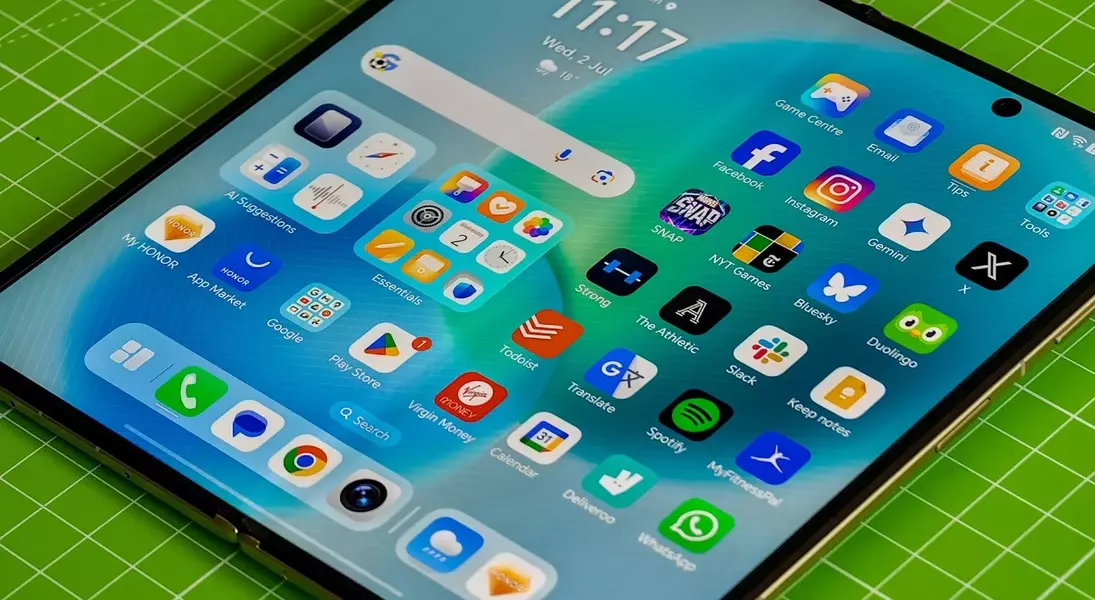
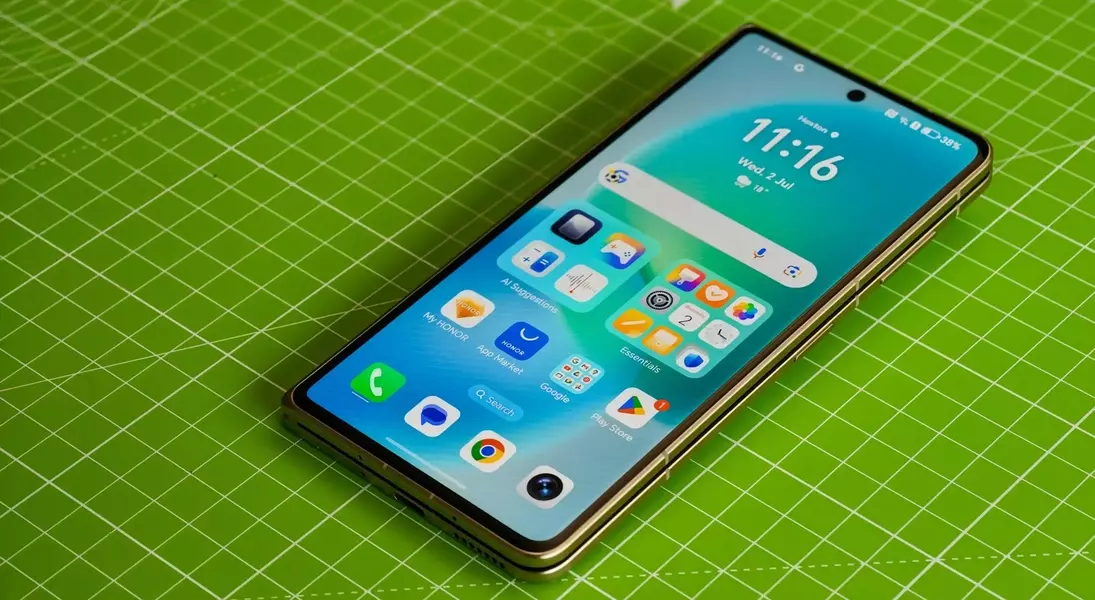
Beyond its innovative design and battery, the Magic V5 delivers a flagship-level experience. It is powered by the formidable Qualcomm Snapdragon 8 Elite chipset, complemented by up to 16GB of RAM and 1TB of storage, ensuring seamless multitasking and robust performance. Both the inner and outer displays are stunning LTPO OLED panels, offering vibrant visuals and smooth 120Hz refresh rates. The camera system, featuring a 50-megapixel main sensor, an ultrawide lens, and a 3x telephoto lens, provides consistent color and impressive range. While the main camera excels in bright conditions and performs adequately in low light, the telephoto lens, though capable of beautiful results in ideal scenarios, may struggle with moving subjects or challenging lighting. While a 100x zoom is technically available, optimal results are typically achieved up to 6x zoom. The device operates on MagicOS 9, based on Android 15, offering intuitive multitasking features such as split-screen and floating windows, along with integrated AI capabilities like on-device live translation and Gemini integration.
Reflecting on Innovation: The Imperceptible and the Impactful in Foldable Technology
As a reviewer and enthusiast of mobile technology, the Honor Magic V5 presents a fascinating paradox. In an industry obsessed with incremental advancements, the pursuit of the "thinnest" device often feels like a race to the bottom, yielding differences so minute they are practically meaningless to the end-user. The Magic V5's claim to the world's thinnest foldable, while technically true for certain variants, exemplifies this diminishing return on design innovation. Holding it side-by-side with other leading foldables, the difference is more a whisper than a shout, making the marketing emphasis on this particular spec almost amusing.
However, what truly resonates and, frankly, excites me about the Magic V5 is its audacious leap in battery technology. For too long, foldable phones have demanded a compromise: the allure of a larger screen came with the anxiety of a rapidly draining battery. Honor's adoption of silicon-carbon batteries, translating into an impressively large capacity, is a game-changer. This isn't just an incremental improvement; it's a foundational enhancement that directly addresses one of the most significant barriers to widespread foldable adoption. It shifts the conversation from "can foldables be thin enough?" to "can foldables last all day, and then some?" This focus on a tangible, user-centric benefit is where true innovation lies. While the potential for faster battery degradation is a valid long-term concern, it reflects the ongoing R&D in battery chemistry that promises to reshape not just foldables, but the entire smartphone landscape. The Magic V5, in essence, teaches us that sometimes, the real magic isn't in what you can barely see, but in what empowers the device to perform for longer, more reliably, and ultimately, more meaningfully in our daily lives.
