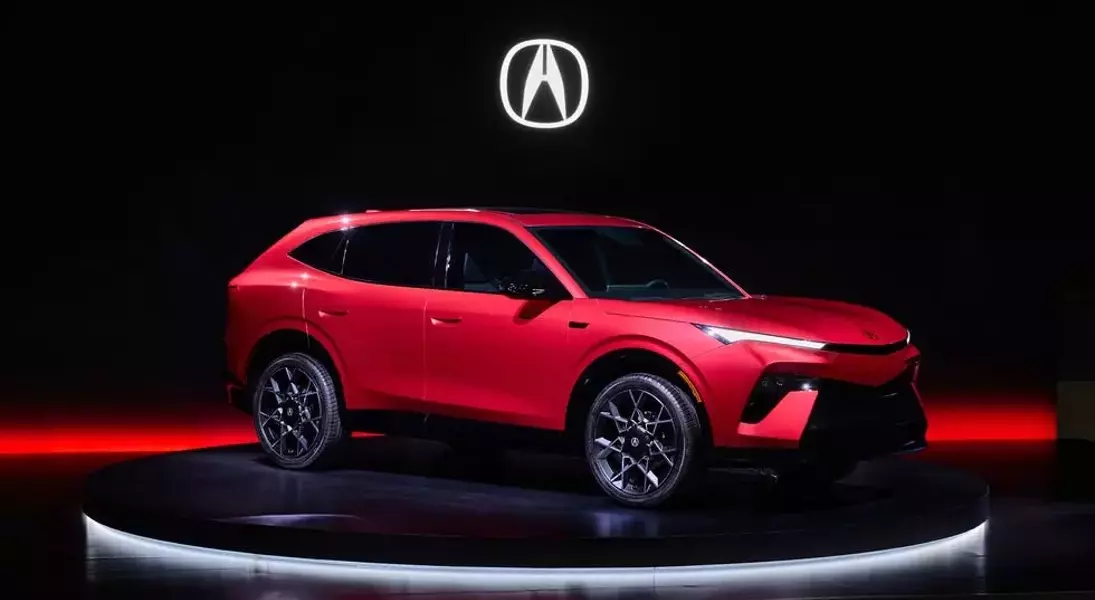
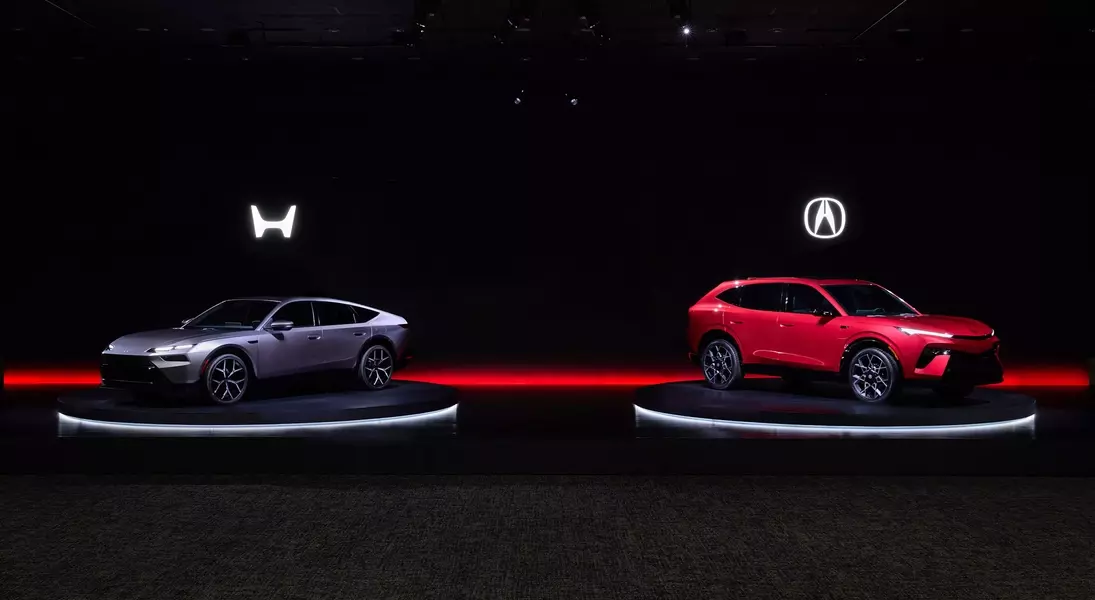
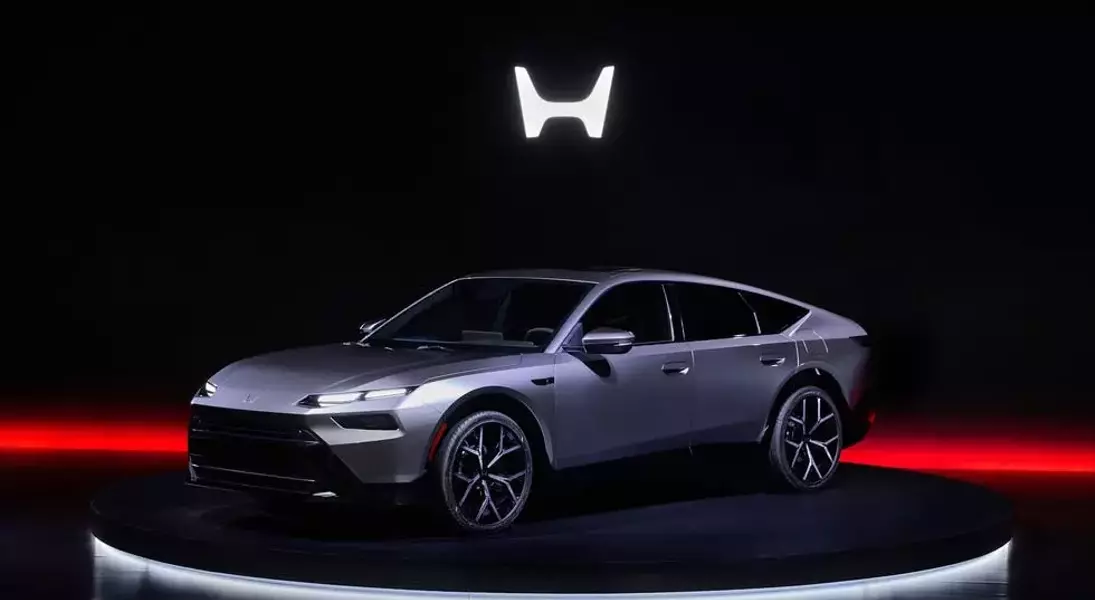
Honda is making a significant shift in its electrification strategy, moving away from a faltering EV rollout to focus on hybrid technology. The automaker recently introduced two prototype hybrid vehicles, which are anticipated to be precursors to the next-generation Accord sedan and Acura RDX SUV. This pivot comes after Honda experienced its first annual loss since becoming a publicly traded company in 1957. The company's new direction aims to leverage hybrid systems to reduce manufacturing costs and enhance fuel efficiency, with plans to introduce 15 new models, including these prototypes, by 2029.
This strategic realignment underscores Honda's response to the current automotive landscape, characterized by economic volatility and a more cautious consumer approach to electric vehicles in key markets like the U.S. By concentrating on hybrids, Honda seeks to capitalize on a market segment that offers a balance of environmental consciousness and practical concerns, such as range anxiety and charging infrastructure limitations. The integration of advanced hybrid systems, including a newly developed electric all-wheel-drive unit, is central to achieving their efficiency and cost-reduction goals.
The Dawn of Honda's Hybrid Era: New Prototypes Unveiled
Honda has officially unveiled two groundbreaking prototype hybrid vehicles, signaling a bold new direction for the automaker's product lineup. These prototypes are widely expected to preview the next iterations of the popular Honda Accord sedan and the luxurious Acura RDX SUV, generating considerable excitement among automotive enthusiasts and industry observers. The reveal took place during Honda's annual business update conference, where company executives outlined their ambitious plans for future mobility. These concept models are not just design exercises; they represent concrete steps towards their commitment to launching these vehicles globally within the next two years. This move is a cornerstone of Honda's broader strategy to introduce a total of 15 new models to the market by 2029, reflecting a significant investment in hybrid technology as a key driver for growth and market relevance in the coming decade.
The introduction of these hybrid prototypes marks a strategic recalibration for Honda, particularly in light of its recent challenges in the electric vehicle (EV) sector. Despite initial aspirations for a robust EV future, the company has faced an uphill battle, culminating in its first annual financial loss since its public listing in 1957. This setback, coupled with prevailing economic uncertainties and a fluctuating consumer appetite for electric models in the American market, has prompted Honda to re-evaluate its approach. The new emphasis on hybrid vehicles is a pragmatic response, aiming to offer consumers an appealing blend of fuel efficiency and lower emissions without the full commitment to an all-electric infrastructure. The prototypes are designed with a next-generation hybrid system, which Honda claims will significantly reduce production costs by over 30 percent and improve fuel efficiency by more than 10 percent. A key innovation highlighted is a new electric all-wheel-drive unit, though specific technical details remain under wraps. This strategic pivot positions Honda to better navigate the evolving automotive landscape and meet diverse consumer demands.
Advancements in Hybrid Technology and Future Rollout Plans
Honda's commitment to its revamped hybrid strategy is underpinned by significant technological advancements and an aggressive rollout schedule. The newly revealed prototypes are more than just conceptual designs; they incorporate a next-generation hybrid system that Honda has been meticulously developing. This system is designed to deliver substantial benefits, including a projected cost reduction of over 30 percent in manufacturing and an impressive fuel efficiency improvement exceeding 10 percent. A crucial component of this enhanced efficiency is a newly engineered electric all-wheel-drive unit, which is expected to offer superior performance and handling. While Honda has yet to disclose detailed specifications, the advancements suggest a more integrated and optimized hybrid powertrain. This technological leap is central to Honda's plan to introduce these prototype-derived models to the global market within the next two years, spearheading a broader initiative to launch 15 new models by 2029, encompassing both updated versions of existing popular nameplates and entirely new vehicle offerings.
The strategic shift towards hybrids is also a testament to Honda's adaptive approach to its prior investments in electric vehicle research and development. Despite the challenges faced with its "0-series" EV initiative, Honda President and CEO Toshihiro Mibe confirmed that the company intends to repurpose existing architectures and components from those projects into the new hybrid lineup. This pragmatic decision ensures that previous R&D efforts are not wasted and contribute to the cost-effectiveness of the new hybrid models. Furthermore, Honda is reconfiguring its manufacturing operations to support this hybrid-centric future. The company plans to dedicate surplus capacity at its Ohio assembly plant to the production of internal-combustion and hybrid vehicles, and all North American facilities are being retooled to accommodate hybrid model production. This comprehensive manufacturing adjustment, coupled with the new hybrid system featuring improved combustion and electric components, including a compact battery shared across various models, illustrates Honda's robust commitment to making its next-generation hybrids both economically viable and environmentally competitive.
