
Honda is poised to transform its vehicle lineup with the introduction of a groundbreaking e-AWD system. This new all-wheel-drive technology represents a significant departure from Honda's long-standing reliance on mechanical systems, ushering in an era where the rear wheels are powered by an electric motor. This strategic shift is designed to deliver a host of benefits, including improved fuel economy, enhanced driving dynamics, and potentially greater interior versatility. The system is already developed and is expected to be integrated into upcoming models, with a strong focus on global midsize vehicles. This move positions Honda to directly compete with rivals offering similar advanced drivetrain options, expanding the appeal of its hybrid offerings.
The adoption of the e-AWD system is part of Honda's broader initiative to advance its hybrid technology, known simply as 'Honda Hybrid.' By removing the traditional driveshaft, this innovation not only optimizes power delivery but also contributes to a more compact vehicle architecture. This design could liberate additional cabin and cargo space, enhancing practicality for consumers. Furthermore, the electronic control of the rear wheels promises quicker throttle response and more instantaneous all-wheel-drive engagement, translating to a more confident and efficient driving experience. This progressive step underscores Honda's commitment to innovation and its vision for the future of automotive mobility.
Honda's Next-Generation All-Wheel Drive System
Honda is making a significant leap forward in its drivetrain technology by rolling out a new e-AWD system, marking a departure from its conventional mechanical all-wheel-drive setups. For years, Honda has utilized mechanical connections to power the rear wheels, even in its hybrid vehicles. However, the newly developed e-AWD system will leverage an electric motor to drive the rear wheels, eliminating the need for a physical driveshaft. This innovation, integrated into Honda's next-generation 'Honda Hybrid' system, is already fully developed and ready for deployment in upcoming models. The shift is expected to enhance overall vehicle performance, improve fuel efficiency, and offer new possibilities for vehicle design and functionality, making Honda's hybrid lineup more competitive and appealing to a global audience.
The move to an e-AWD system is a strategic decision that aligns Honda with many of its competitors who have already adopted similar electric all-wheel-drive technologies. The removal of the driveshaft not only streamlines the power delivery but also provides crucial packaging advantages. Without the driveshaft, vehicles can offer increased interior space for passengers and greater cargo capacity, directly benefiting consumers. Moreover, the electronic control of the rear wheels allows for a more immediate and precise throttle response, along with faster all-wheel-drive activation, which translates to superior traction and handling in diverse driving conditions. This technological advancement reflects Honda's dedication to continuous improvement and its goal of providing more efficient and versatile vehicles worldwide.
Expanding All-Wheel Drive Options Across Honda's Midsize Lineup
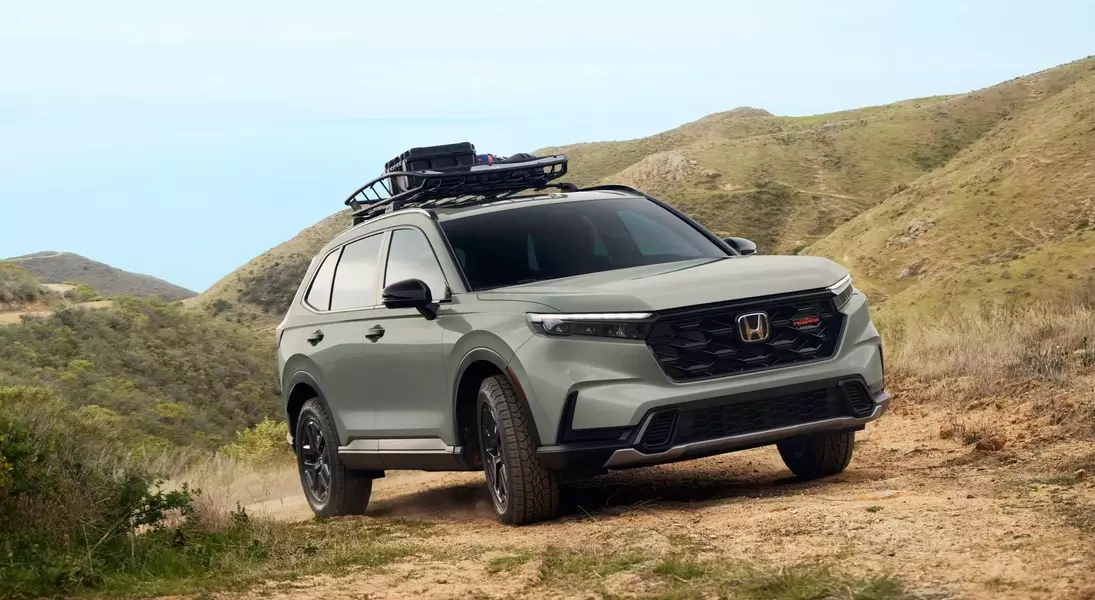
Honda's new e-AWD system is poised to bring all-wheel-drive capabilities to a wider range of its midsize vehicles, particularly those not traditionally offered with such an option globally. Historically, Honda has reserved all-wheel drive for certain models in its domestic market, but this new e-AWD development signals a global expansion. While Honda's rugged Trailsport models, featuring the robust VTM-4 system, are likely to retain their existing mechanical setups, the e-AWD system is a perfect fit for other midsize offerings. This will enable Honda to introduce all-wheel-drive options to models that prioritize efficiency and passenger comfort over extreme off-road prowess, broadening their market appeal and offering more choice to consumers.
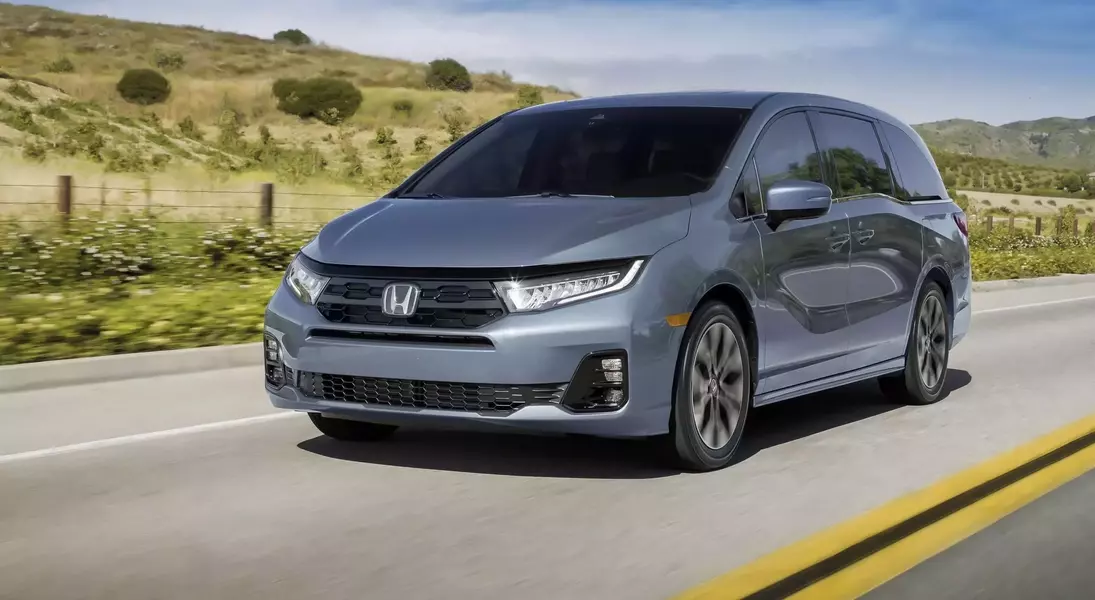
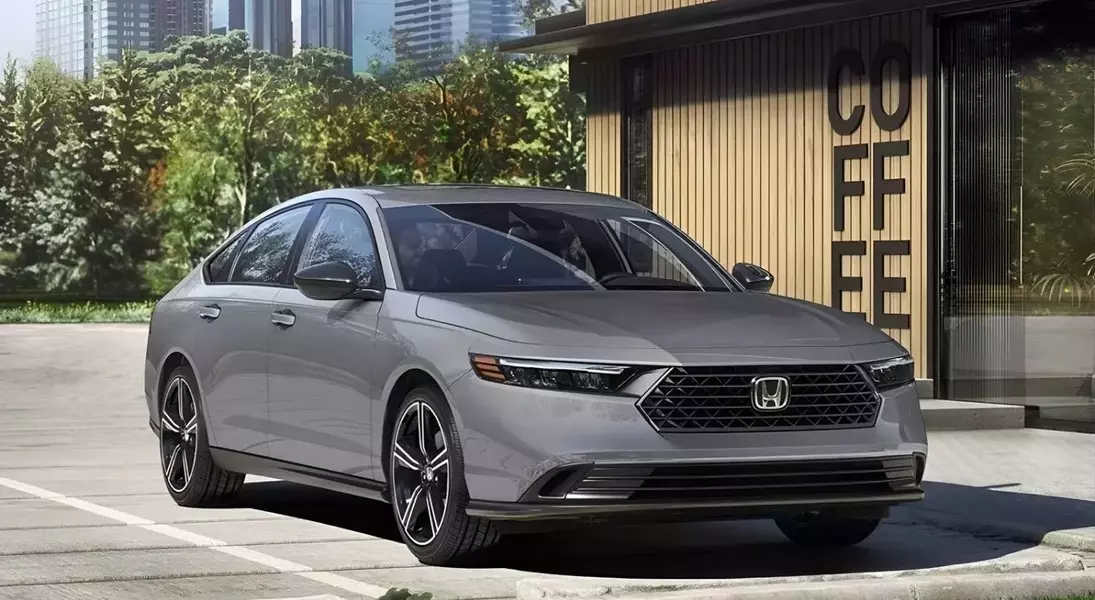
Among the strongest candidates for this new e-AWD technology are the next-generation Honda Odyssey minivan and the Honda Accord sedan. Currently, neither the Odyssey nor the Accord offers all-wheel drive, a feature that competitors like the Toyota Sienna (which also has a hybrid system) and the all-wheel-drive Camry hybrid already provide. Integrating e-AWD into these models would significantly enhance their competitiveness, offering improved traction and stability in various weather conditions. Beyond these, other potential applications include the new-generation CR-V, HR-V, and even the rumored Accord Crosstour wagon, providing a strong counter to rivals like the Corolla Hybrid AWD. This widespread adoption of e-AWD will not only modernize Honda's fleet but also reinforce its position in the global automotive market by delivering highly desirable features to a diverse customer base.