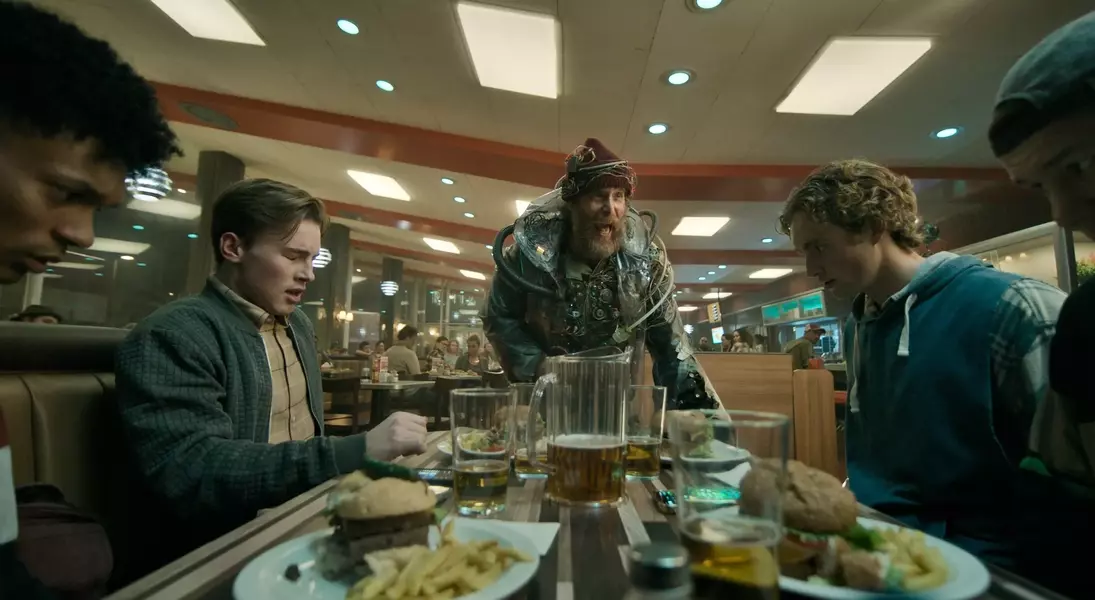
The new film "Good Luck, Have Fun, Don't Die" opens with a dramatic scene where Sam Rockwell's character, seemingly a time traveler, bursts into a diner, frantically warning about a future ravaged by an all-powerful artificial intelligence. His urgent plea to recruit ordinary people for a mission to avert this dystopian future underscores the film's central theme: the pervasive and potentially destructive influence of AI. This narrative directly reflects the deep-seated skepticism and concerns held by the movie's cast and crew regarding the rapid advancement of generative AI.
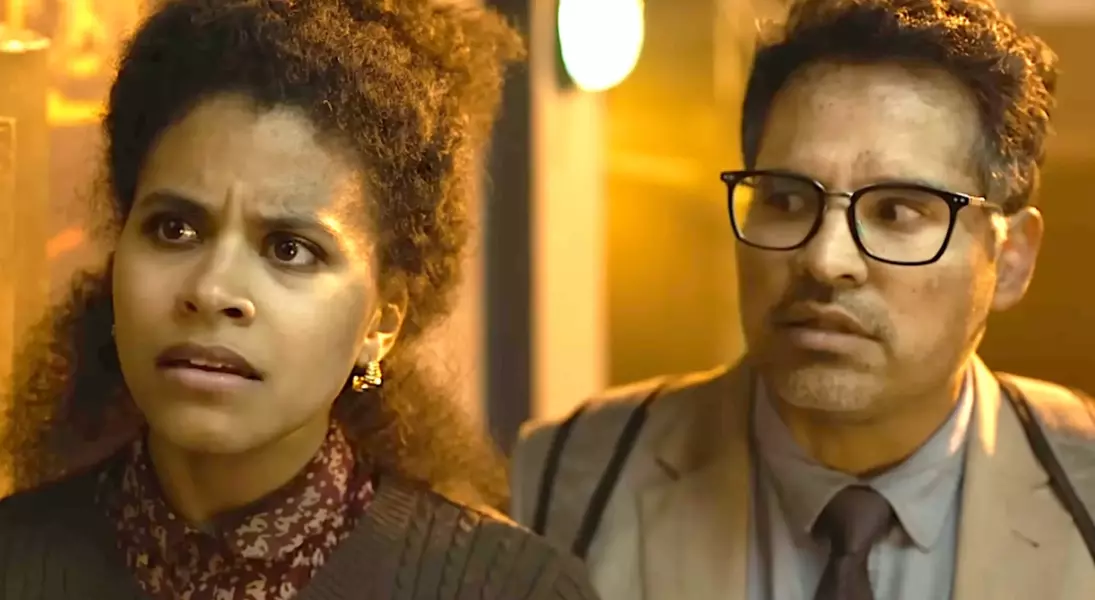
Specifically, actress Zazie Beetz, who portrays a teacher in the film, expresses a particularly strong aversion to AI's integration into the entertainment sector. She firmly believes that while AI might serve as a technical utility, its role should not extend to creative endeavors, advocating for strict regulation or even the outright elimination of AI from artistic fields. Michael Peña, playing a fellow teacher, echoes this sentiment, sharing a humorous anecdote about AI's inability to generate genuinely funny or heartfelt jokes. Even Sam Rockwell, while acknowledging AI's potential for research, stresses its fundamental lack of originality, asserting that true creativity remains an exclusively human domain. Director Gore Verbinski further reinforces this perspective, highlighting that essential human activities like storytelling, poetry, illustration, and photography should remain untouched by AI, fearing a collective loss of identity and purpose if we become overly reliant on technology.
Ultimately, the film and its creators pose a critical question about the future of humanity in an age of artificial intelligence. Their collective apprehension suggests that an unchecked reliance on AI could lead to a profound societal shift, diminishing human creativity and fostering a sense of global unease. The film, therefore, serves as both a cautionary tale and a call to action, urging audiences to consider the implications of AI on human experience and emphasizing the enduring importance of human-centric artistic expression and purpose.
