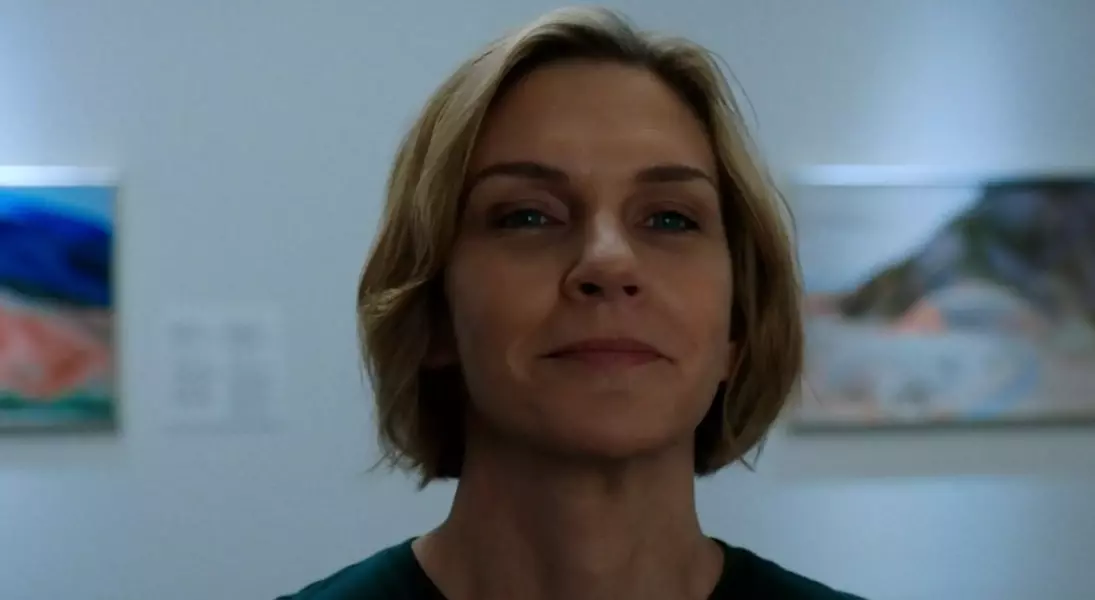
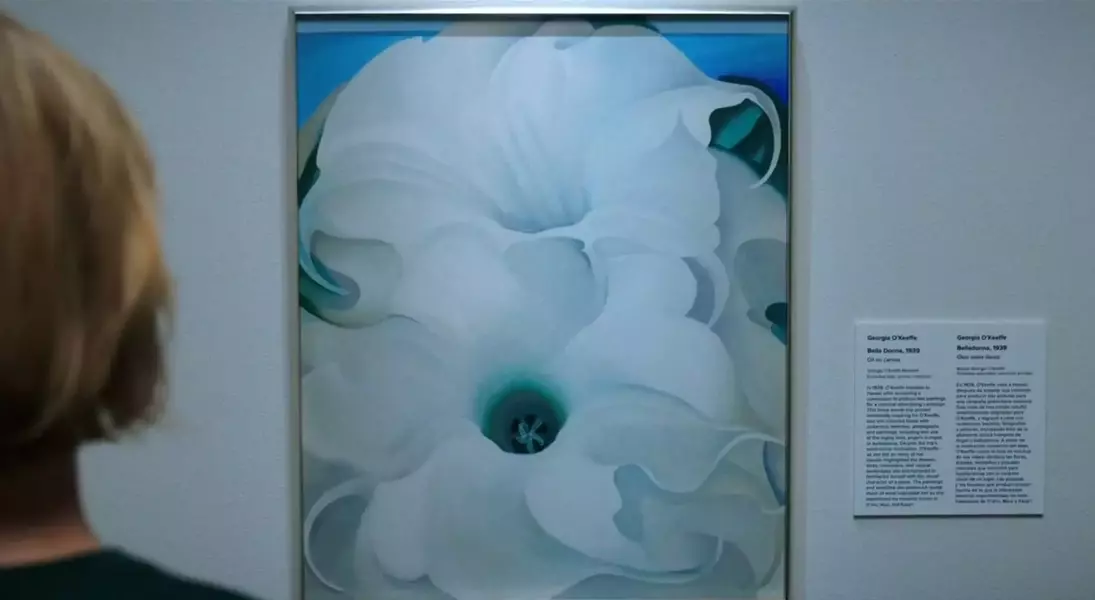
Vince Gilligan's science fiction series "Pluribus" introduces a fascinating concept: a collective consciousness known as the "hivemind" that encompasses nearly all of humanity, leaving only a few individuals immune. A central question arising from this premise, and one pondered by the show's creators and cast, is whether this hivemind can genuinely appreciate art in the same way humans do. The discussion reveals a complex perspective on aesthetic judgment and the role of individuality in artistic understanding.
The creators, including Vince Gilligan, Gordon Smith, and Alison Tatlock, offer a rather somber view of the hivemind's relationship with art. Gilligan suggests that while the hivemind perceives beauty in everything—from a masterpiece like the Mona Lisa to a mundane object or a pile of cow dung—this undiscriminating appreciation paradoxically dilutes the very concept of appreciation. If all things are equally valued, then specific artistic merit loses its distinctiveness. Smith emphasizes that human appreciation often requires focus and exclusion, a capability the all-encompassing hivemind seems to lack. Tatlock points out that the hivemind no longer produces art or values physical possessions, seeing knowledge and experiences as purely internal, rendering external artistic creations expendable. This implies that the essence of art as a unique human endeavor, born from individual expression and tangible creation, is lost within the collective.
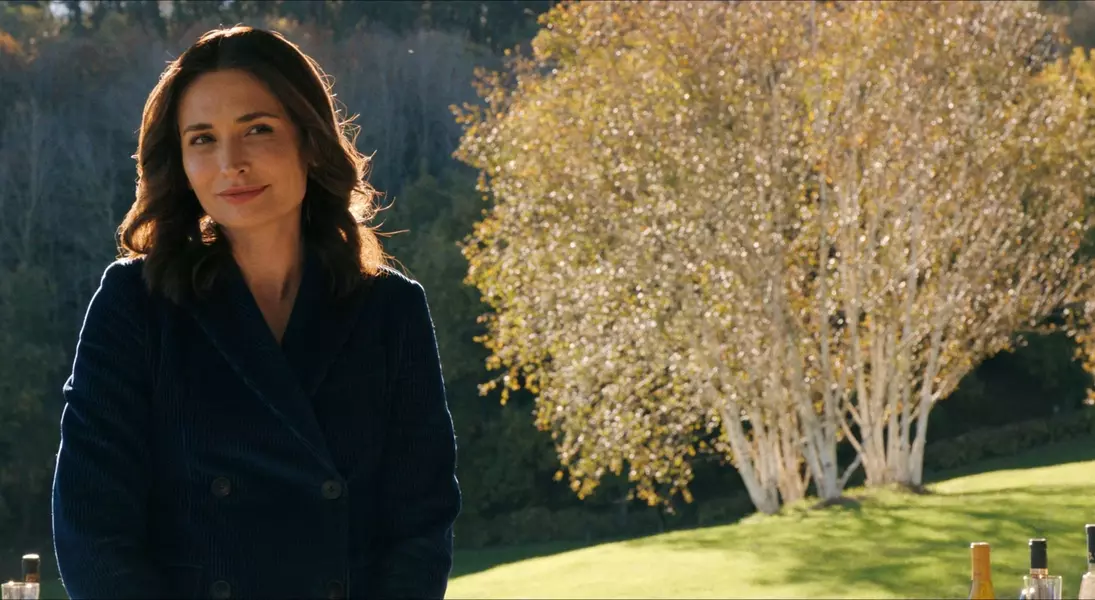
Conversely, actress Karolina Wydra, who portrays Zosia—a hivemind member interacting with one of the immune individuals—believes the hivemind does indeed love art. She argues that having absorbed the minds of all great artists, scientists, and creators, the hivemind possesses an inherent understanding and enjoyment of artistic works. However, she notes a critical limitation: the hivemind cannot generate new art independently. It relies on the remaining non-absorbed humans, like Carol, to create novel artistic expressions, finding joy in these fresh contributions. Rhea Seehorn, who plays Carol, offers a nuanced take, suggesting that the hivemind might appreciate the joy art brings to others, including its creators. Yet, she highlights that the human experience of art often involves evaluating, comparing, and being awestruck by individual skill—an element missing when everyone possesses the same collective abilities. If all can do everything, the unique talent that sparks admiration in art diminishes, fundamentally altering the nature of appreciation.
Ultimately, the exploration of the hivemind's relationship with art in "Pluribus" serves as a profound reflection on what it means to be human and the intrinsic value we place on creativity and individual expression. It makes us consider whether true appreciation necessitates a sense of awe at unique abilities and the capacity for critical discernment, or if a generalized, all-encompassing awareness can also constitute an appreciation of beauty. This thought-provoking inquiry reinforces the idea that the distinctiveness of human experience, including our varied responses to art, enriches our world and fosters a deeper connection to creativity that transcends mere information processing.
