In the unpredictable world of football, the dream of a title triumph often seems distant for teams languishing in the lower echelons of the league. Yet, history has repeatedly shown that the impossible can become reality. This article delves into the captivating narratives of football clubs that, against all odds, surged from the bottom half of the standings or even from a lower division to clinch the coveted top-flight championship. These extraordinary journeys serve as a powerful reminder that in the beautiful game, previous struggles do not define future glory, offering a beacon of hope for any team aspiring to a dramatic resurgence.
Extraordinary Ascensions to English Football's Summit
Throughout the rich tapestry of English football, several teams have etched their names into the annals by achieving spectacular comebacks, transforming from relegation candidates or newly promoted sides into league champions. These remarkable turnarounds span different eras, showcasing the enduring spirit of the sport.
A century ago, in the 1914-1915 season, Everton dramatically reversed their fortunes. After narrowly avoiding relegation in the preceding 1913-1914 campaign, where they finished a mere fifteenth, the Toffees soared to claim the championship. This triumph marked a significant moment just before professional football was paused due to the First World War.
Decades later, Manchester City, in the 1967-1968 season, achieved their second league title. This victory was particularly impressive as it came only a year after they had finished fifteenth, significantly behind local rivals Manchester United. Under the shrewd guidance of Joe Mercer and Malcolm Allison, City's ascendancy demonstrated a remarkable shift in power within Manchester.
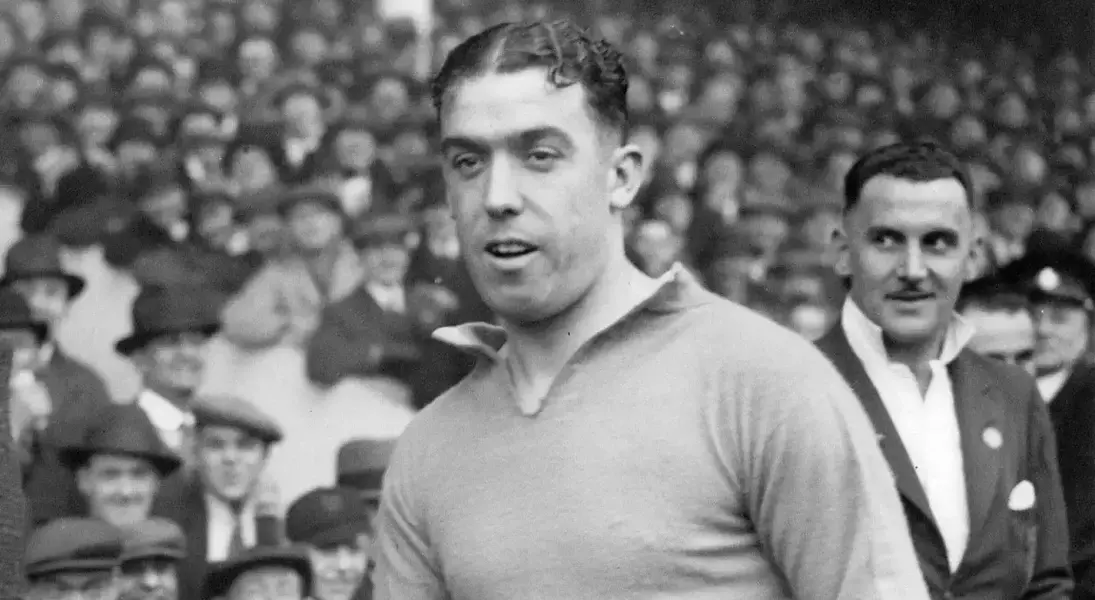
Everton’s legendary striker, Dixie Dean, was central to another stunning comeback in the 1927-1928 season. Having finished a perilous twentieth, just above the relegation zone, in 1926-1927, Everton clinched the title, largely propelled by Dean’s astonishing sixty league goals—a record that still stands. His twenty-one goals in the preceding difficult season foreshadowed his monumental achievement.
The Merseyside rival, Liverpool, also shares a similar tale of swift success. In 1905, they became the first club to secure the top-flight title immediately after gaining promotion from the Second Division in the 1904-1905 season. This marked the beginning of a prolonged and successful tenure in the top flight for the Reds.
Everton continued their pattern of remarkable resurgences in the 1931-1932 season. After enduring a humiliating relegation to the Second Division for the first time in their history in 1930-1931, they bounced back as Division Two champions, with Dixie Dean once again leading the charge with forty-five goals, securing yet another top-flight title for the Goodison Park club.
Tottenham Hotspur achieved their inaugural league title in 1950-1951, a season after winning the Second Division in 1949-1950. Coached by Arthur Rowe, their success saw them finish four points clear of Matt Busby’s formidable Manchester United, notably featuring future double-winning manager Bill Nicholson in their ranks.
The 1961-1962 season witnessed Ipswich Town's incredible rise. Under the masterful leadership of Alf Ramsey, who would later guide England to World Cup glory, Ipswich, in their maiden top-flight season, captured their only Division One title. This was an astonishing feat, considering they had been in the Third Division South just five years prior.
Perhaps the most unique ascent belongs to Nottingham Forest in the 1977-1978 season. Unlike others who won promotion as champions, Brian Clough’s side finished third in the Second Division in 1976-1977. Yet, a year later, an incredible twenty-six-game unbeaten run propelled them to the Division One championship. This remarkable achievement preceded two successive European Cup victories, giving Forest the extraordinary distinction of possessing more European Cups than domestic league titles.
These compelling narratives underscore that while expectations and statistics might favor established powerhouses, the essence of football lies in its unpredictable drama, where underdogs can indeed have their day.
As a devoted follower of football, reflecting on these historical triumphs offers a profound sense of inspiration. The narrative that a team, after experiencing a downturn or even relegation, can rise to claim the ultimate prize is not merely a collection of statistics; it's a testament to resilience, strategic genius, and the indomitable spirit within a squad. It reminds us that in football, as in life, setbacks can be powerful springboards for future success. For Manchester United and any other club navigating a challenging period, these stories are a vital source of hope, illustrating that with the right leadership, dedication, and a touch of football magic, a glorious comeback is always within reach. It teaches us to never dismiss a team based on their previous season's performance, as the next chapter can always defy expectations and rewrite history.
