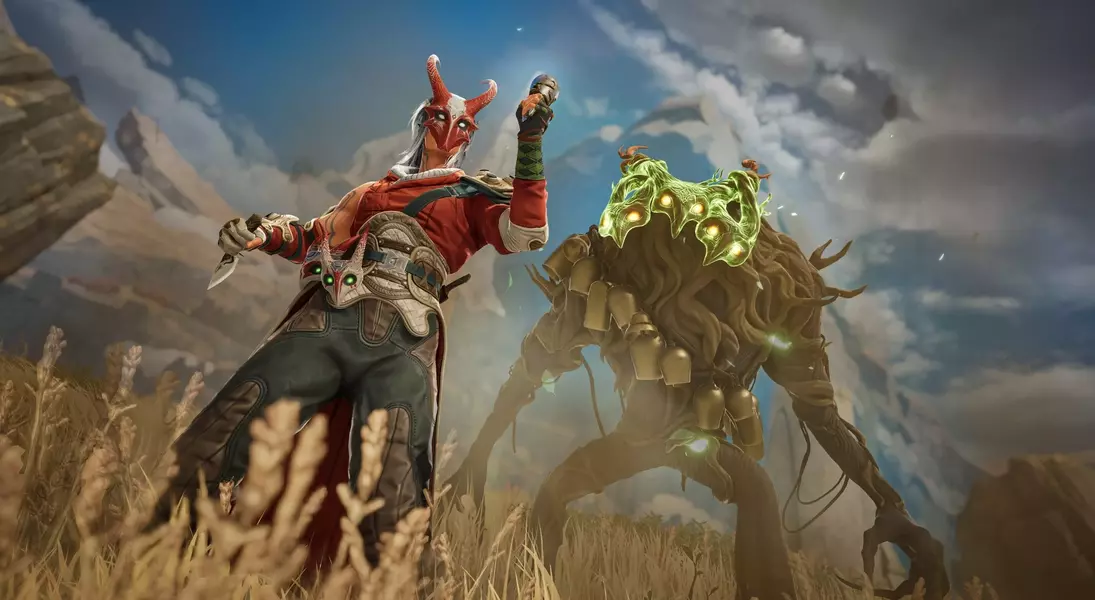
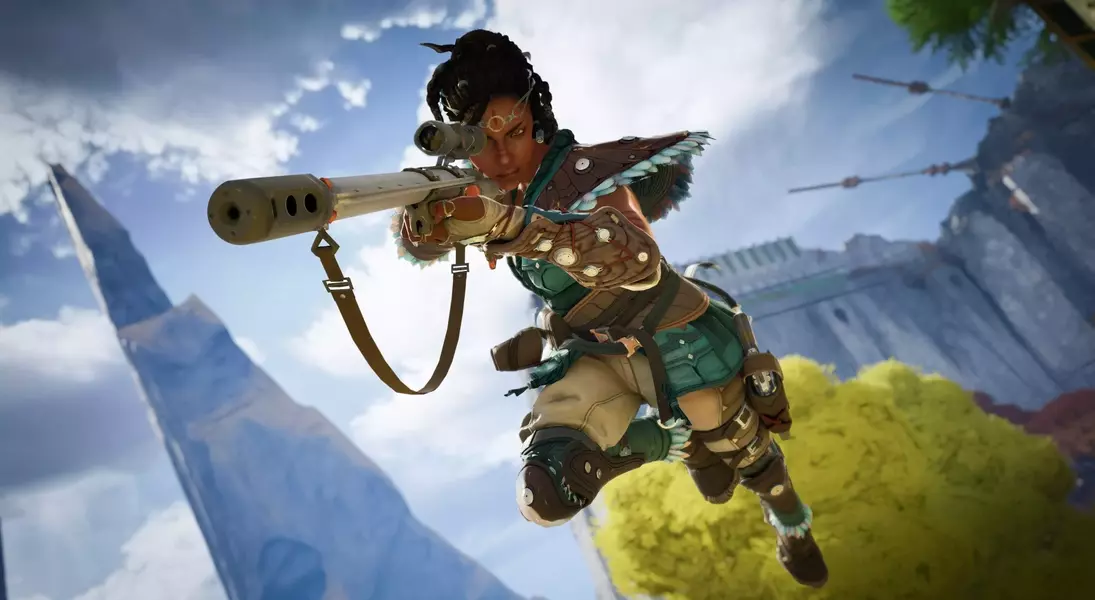
Wildlight Entertainment is setting a new standard for free-to-play games with their debut title, Highguard, by prioritizing player experience over aggressive monetization. The developers have explicitly stated their commitment to an ethical business model, vowing to eliminate common industry practices such as constant pop-up advertisements, deceptive loot boxes, and any form of pay-to-win mechanics. This approach aims to create a gaming environment where players feel respected and valued, rather than constantly pressured to spend money.
The creators of Highguard are determined to offer a gaming experience free from the pervasive advertising and monetization schemes that plague many modern titles. They emphasize a transparent and fair in-game economy, focusing on optional cosmetic purchases and ensuring that all core content, including new characters and maps, remains accessible to every player without additional cost. This strategy is a direct response to widespread player dissatisfaction with exploitative monetization, positioning Highguard as a refreshing alternative in the competitive free-to-play market.
A Refreshing Approach to In-Game Purchases
Highguard is poised to disrupt the free-to-play landscape by implementing a monetization model that explicitly rejects intrusive ads, randomized loot boxes, and 'pay-to-win' elements. The game will feature cosmetic-only battle passes with no expiration, ensuring players can progress at their own pace without feeling pressured by time-limited offers. Additionally, all new heroes and maps will be provided to the community for free, promoting inclusivity and preventing content fragmentation. Even premium cosmetic items, such as a legendary bear mount, will be available through direct purchase at a reasonable price point, reinforcing the developer's commitment to player-friendly transactions.
Jason Torfin, VP of product and publishing at Wildlight Entertainment, articulated the studio's vision, stating their desire to create a store experience that they, as players, would genuinely appreciate. This includes a strict policy against 'fear of missing out' (FOMO) tactics, paywalls, and any systems that might provide an unfair advantage based on spending. The development team wants to avoid overwhelming players with incessant pop-ups and advertisements, a common complaint in titles like Fortnite and Call of Duty. Instead, their goal is to allow players to immerse themselves in the game world without constant commercial interruptions, making any visit to the in-game store an intentional and welcome choice rather than an unavoidable marketing barrage.
Upholding Game Integrity and Artistic Vision
Wildlight Entertainment is dedicated to maintaining the narrative and aesthetic integrity of Highguard by avoiding jarring crossover skins and maintaining a consistent in-game universe. The development team has expressed a strong desire to keep all cosmetic content lore-friendly, distinguishing themselves from games that frequently introduce out-of-place collaborations for commercial gain. This commitment extends to the artistic process, where designers are enthusiastic about creating premium cosmetic items because they know these will be top-tier, direct purchases that enhance the player's experience rather than being hidden behind randomized mechanics.
Game director Chad Grenier reaffirmed that Highguard will launch without any hidden advertising or monetization features beyond what was showcased in previews, ensuring a transparent and honest release. The user interface will be clean and focused, featuring character-driven menu backgrounds and a simple mode selection, with the store being an optional destination for players. This design philosophy is aimed at fostering a more organic and enjoyable interaction with the game, allowing players to explore and engage with the world of Highguard without feeling manipulated by aggressive marketing strategies. Mohammad Alavi, the lead designer, likens their approach to a 'toy store' where players can freely browse and choose desired items, rather than a 'gumball machine' filled with arbitrary rewards.
