This analysis delves into the recently released team-based multiplayer shooter, Highguard, examining its ambitious blend of diverse gaming elements and evaluating its performance in a live environment. The review scrutinizes the game's unique mechanics, pacing issues, and overall player experience, particularly focusing on the stark contrast between its intended team-oriented gameplay and the realities of solo engagement.
Highguard: An Unpolished Gem or a Misfire?
The Discrepancy Between Controlled Previews and Live Gameplay
During its initial preview phase, Highguard presented itself as a promising team-based multiplayer experience, thriving in a controlled setting where journalists could collaborate and strategize effectively. This scenario, however, starkly contrasts with the chaotic and often frustrating reality of playing the game once it became publicly accessible. The early impressions, shaped by ideal conditions, failed to predict the challenges players would face in a less coordinated, live environment.
Highguard's Tumultuous Debut: Overhyped Expectations Meet Harsh Realities
Wildlight Entertainment's inaugural title, Highguard, faced immediate scrutiny following its announcement at The Game Awards. Positioned as another entry in the competitive live-service shooter genre, it garnered criticism for perceived overhyping, a common pitfall for highly anticipated reveals. Unfortunately, the public's skepticism proved largely accurate, as the game's solo experience, in particular, has been widely deemed unsatisfactory, leading to an unfavorable reception post-launch.
A Mélange of Mechanics: Highguard's Ambitious Yet Flawed Design
Highguard's fundamental issue lies in its attempt to integrate too many disparate gameplay concepts. At its core, it's a first-person shooter where two teams of three compete to demolish the opposing base, reminiscent of MOBA titles. Yet, it also incorporates base fortification from Rainbow Six Siege, character abilities akin to Overwatch, and resource management inspired by survival games. This ambitious fusion results in an uneven game flow, despite the evident skill in its foundational shooting mechanics.
Flashes of Brilliance: The Core Combat in Highguard
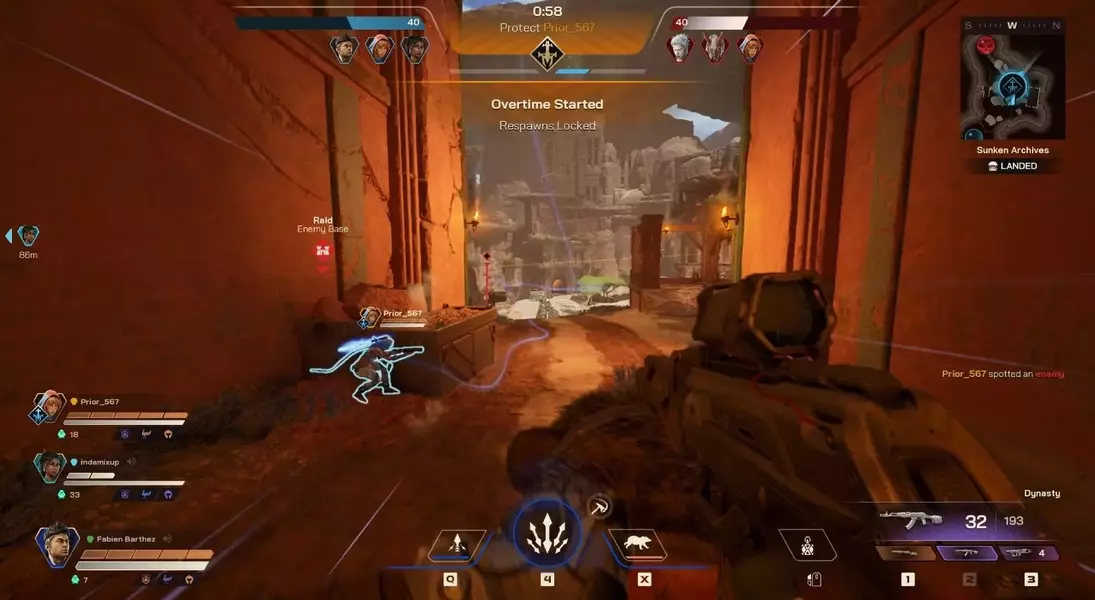
Amidst its design complexities, Highguard occasionally delivers moments of exhilarating combat. The responsive gunplay and precise shooting mechanics, where success hinges on individual aiming proficiency and mastery of movement, clearly draw inspiration from games like Apex Legends. These intense and skill-based skirmishes offer a glimpse into the game's potential. However, such instances of brilliance are unfortunately infrequent, leaving players yearning for more consistent action.
The Match Progression: A Cycle of Scavenging and Sporadic Conflict
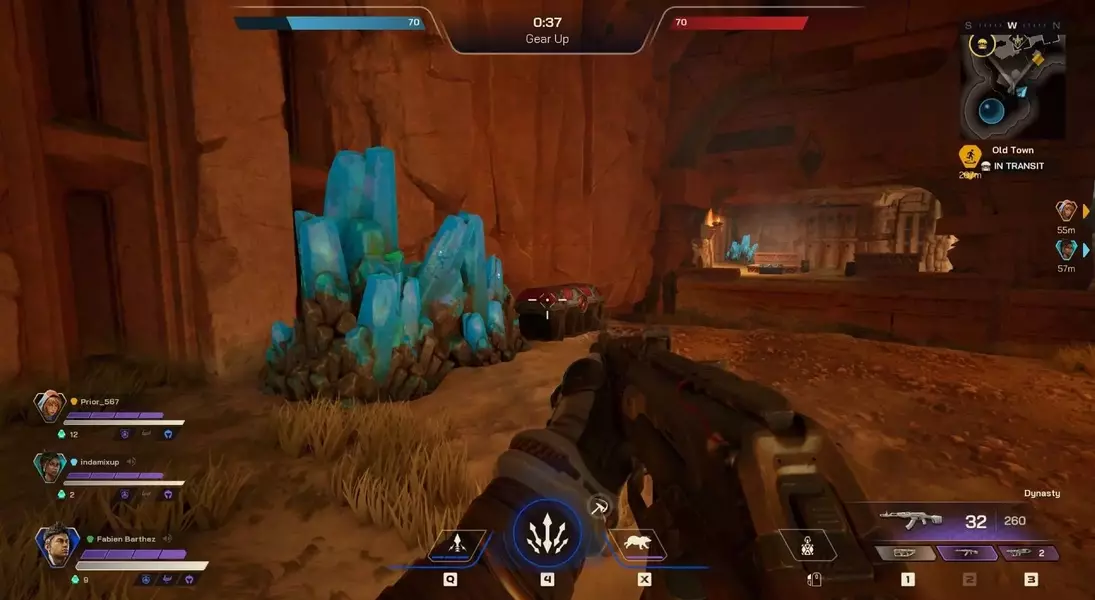
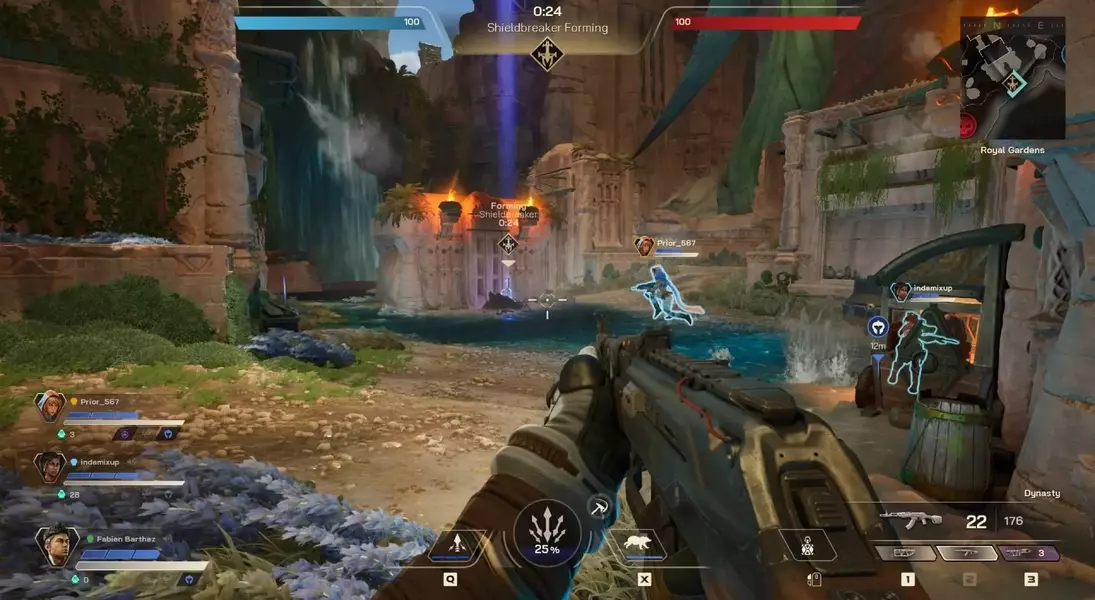
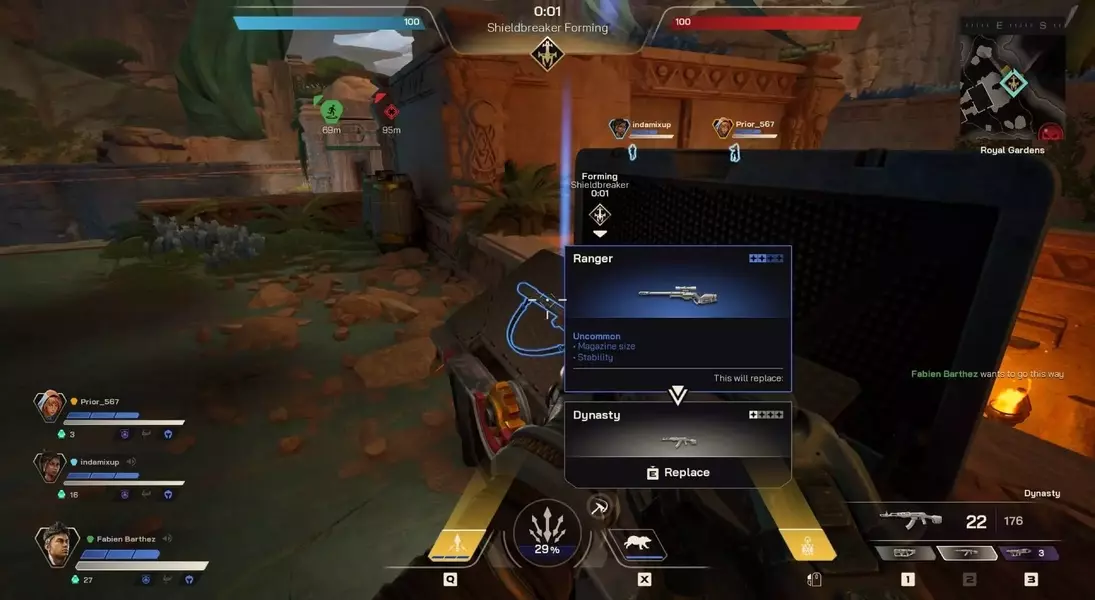
A typical Highguard match unfolds with an initial phase for loadout selection and base fortification. Players then venture into the expansive map to collect weapons, armor, and "vesper"—a currency for acquiring equipment from a vendor. The pivotal moment arrives with the spawning of the "Shieldbreaker," a powerful item essential for breaching the enemy's base. The acquisition of this item inevitably triggers a confrontation, with the victorious team then pushing towards the opponent's stronghold. However, long stretches of exploration and resource gathering often precede these skirmishes, leading to periods of inactivity. The subsequent base raids, while intense, can be short-lived, especially against well-coordinated adversaries. If the attacking team fails to secure victory, the entire cycle, including the quiet phases, repeats.
The Solitary Struggle: Why Highguard Falls Flat for Individual Players
Playing Highguard without a pre-formed team is a largely unsatisfying experience. The game is clearly designed for intricate teamwork and constant communication, a factor contributing to its critical reception. The most enjoyable moments reported by players are those shared with friends, where strategic callouts and complementary loadouts enhance the gameplay. This emphasis on coordinated play inadvertently creates a vacuum for solo players, leaving them to navigate a game ill-suited for individual engagement.
An Unintended Social Hub: Highguard's Quiet Moments
The extensive looting phase in Highguard inadvertently transforms parts of the game into a social space rather than a high-octane battleground. Players often find themselves traversing the map on mounts, chatting with friends about unrelated topics, before eventually engaging in combat for the Shieldbreaker. This design choice, whether intentional or not, suggests that Highguard might be better suited as a casual hang-out spot for friends than a game that demands constant intensity and strategic engagement from the outset.
The Woes of Solo Play: An Overly Expansive World for Small Teams
For solo players, Highguard's large map, combined with small team sizes (two teams of three), often leads to periods of boredom and aimless wandering. The vastness of the environment can result in matches where players rarely encounter opponents, even when attempting to seize crucial objectives like the Shieldbreaker. This design choice appears perplexing, prompting questions about why the developers opted for such a configuration instead of more teams or larger team sizes, which might foster more consistent action and engagement.
A Developer's Wishlist: Envisioning Highguard's Improvements
Highguard's current state often leaves players feeling like backseat developers, brainstorming potential improvements. Many suggest reevaluating core mechanics, such as the ineffective wall fortification, proposing alternatives like traps or gadgets, or even its complete removal. The resource mining and slow looting phases are also frequently cited for needing an overhaul. Incorporating a PvE element could introduce consistent action, and connecting weapon unlocks or vendor currency to these encounters could provide meaningful progression. Additionally, condensing the maps might improve pacing, even if it diminishes the utility of mounts, which currently serve little purpose beyond transportation. These ideas highlight a shared desire for a more cohesive and engaging gameplay experience.
Essential Omissions: The Lack of Core Features and a Rushed Launch
Beyond its gameplay design, Highguard also launched with a notable absence of fundamental features expected in modern multiplayer titles. Player statistics, reporting mechanisms, a forfeit option, and ranked play were all missing. Crucial graphical and accessibility settings were initially overlooked, only to be added in subsequent patches. This hurried release leaves players with the impression of an unfinished product, hinting that a potentially good concept was rushed to market without adequate iteration and polish.
Highguard's Identity Crisis: A Search for Market Relevance
In its present form, Highguard struggles to carve out a distinct niche in the competitive gaming landscape. While its foundational mechanics are sound, the overall experience is often unengaging, making the occasional moments of excitement feel too few and far between to justify the wait. Given that other games execute Highguard's individual components with greater success, this ambitious, genre-blending shooter offers limited unique appeal. It feels more like an early access title that requires substantial refinement before it can truly realize its potential.
