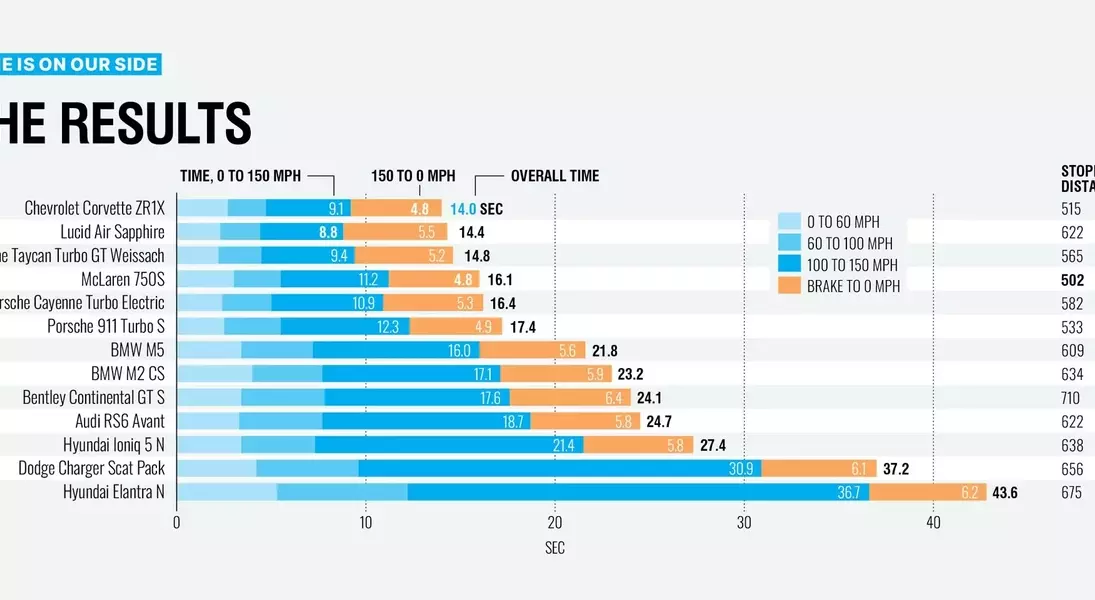
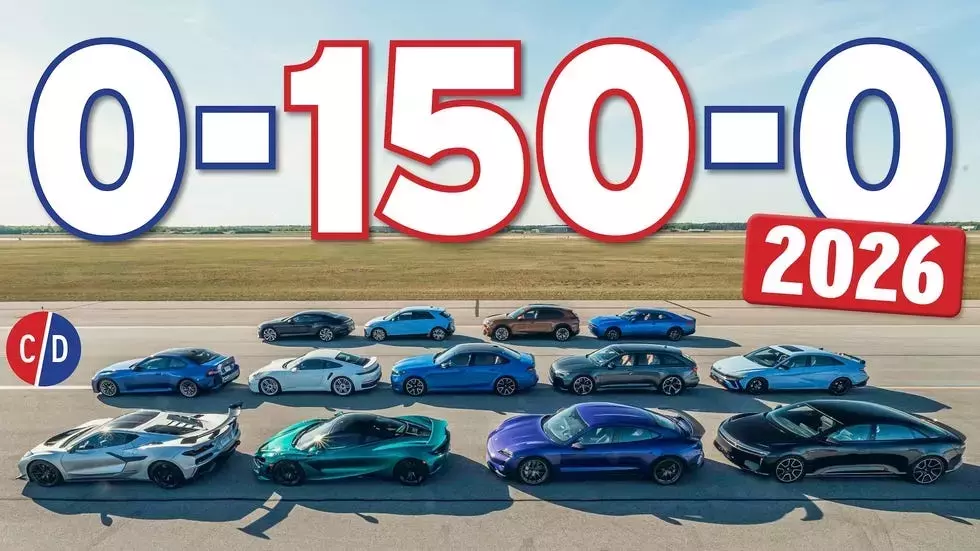
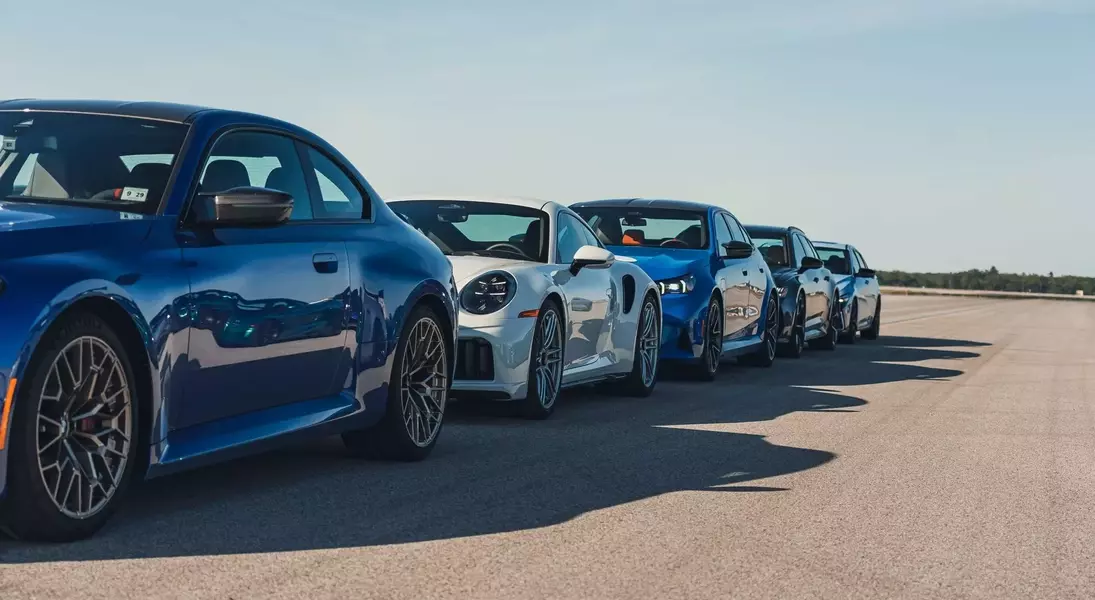
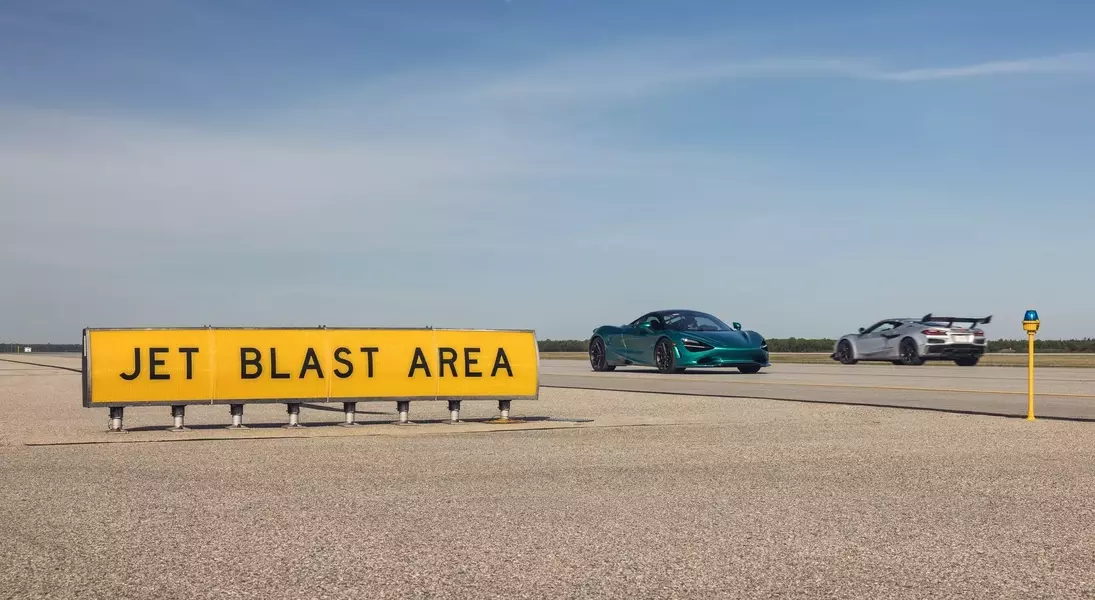
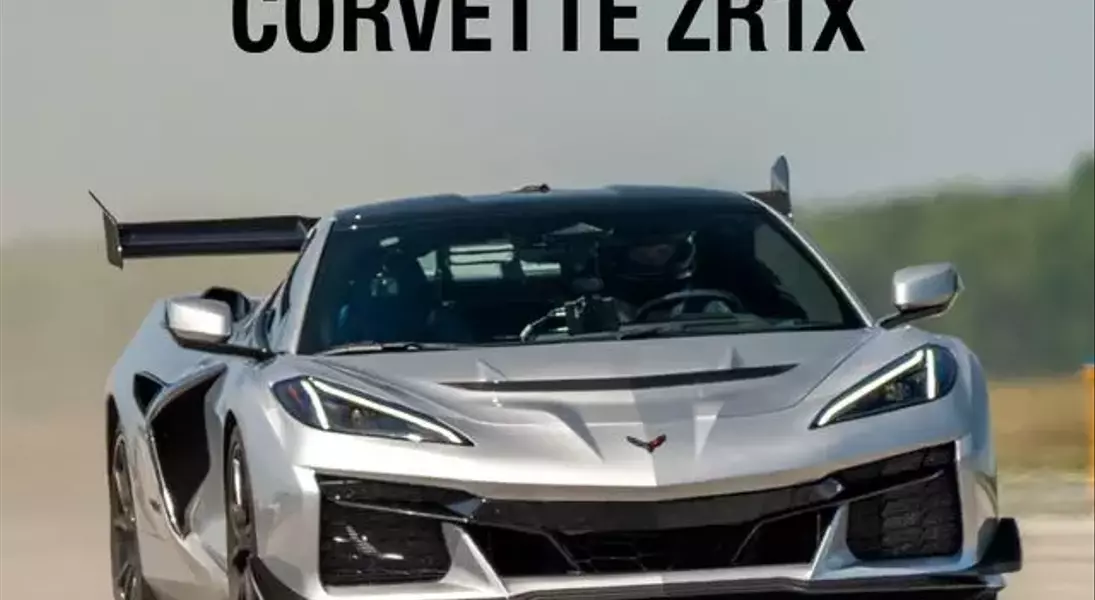
A recent high-performance automotive evaluation, reminiscent of prior trials, took place at Oscoda-Wurtsmith Airport. This comprehensive test sought to determine the proficiency of an assortment of vehicles in achieving a rapid acceleration to 150 miles per hour, followed by an immediate and controlled deceleration to a standstill. This intricate maneuver requires not only immense power for quick speed attainment but also superior braking systems to halt effectively, presenting a unique challenge to even the most advanced automobiles.
The test methodology involved equipping each vehicle with a GPS-based Racelogic VBox for precise data acquisition on speed and timing. A pressure-sensitive switch affixed to the brake pedal recorded the exact moment a driver initiated braking, a critical factor for accurate measurement. Drivers had to anticipate reaching 150 mph, often beginning their braking sequence as the speedometer neared 147 mph, demonstrating the fine margins involved in high-speed control. This anticipatory approach was vital to prevent overshooting the target speed due to human reaction time and the vehicle's momentum. The conditions at Oscoda's pavement, with its distinct traction characteristics, meant that 0-60 mph and quarter-mile results from these runs were not directly comparable to those from standard test tracks, emphasizing the specialized nature of this evaluation.
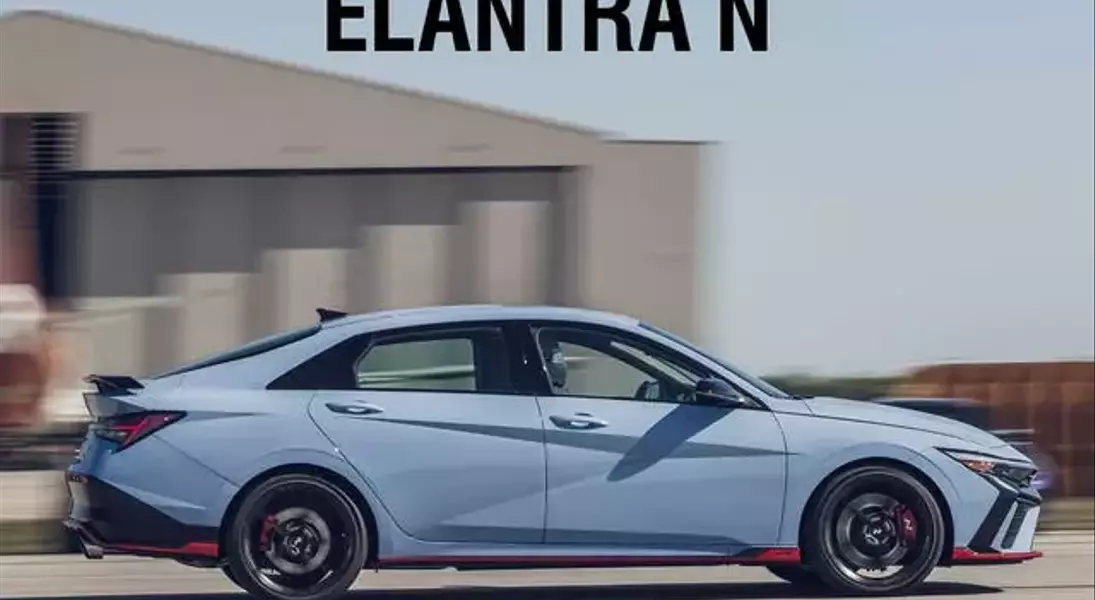
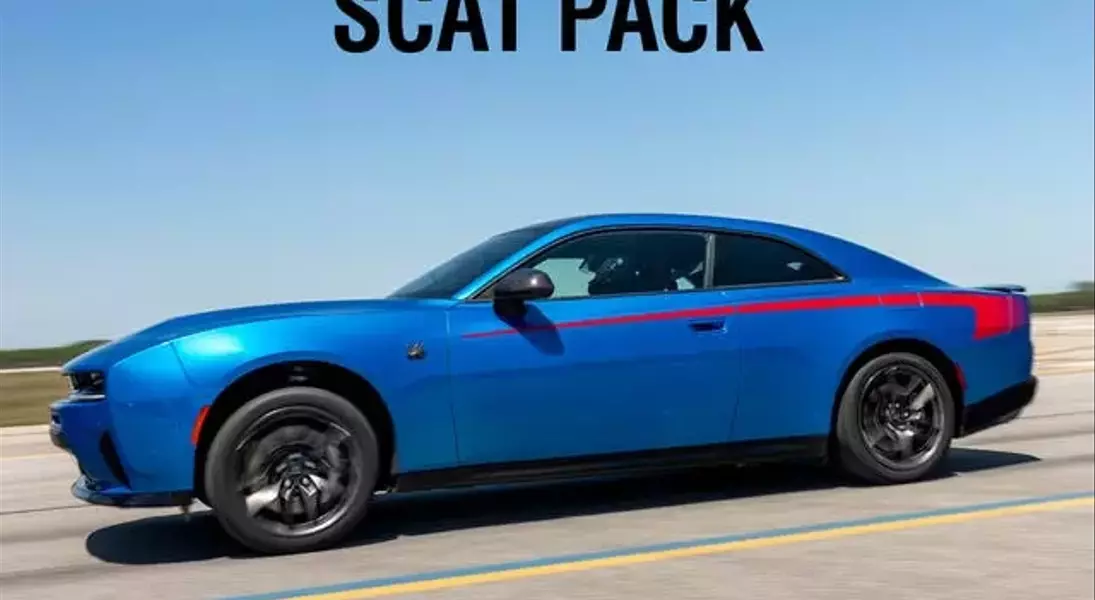
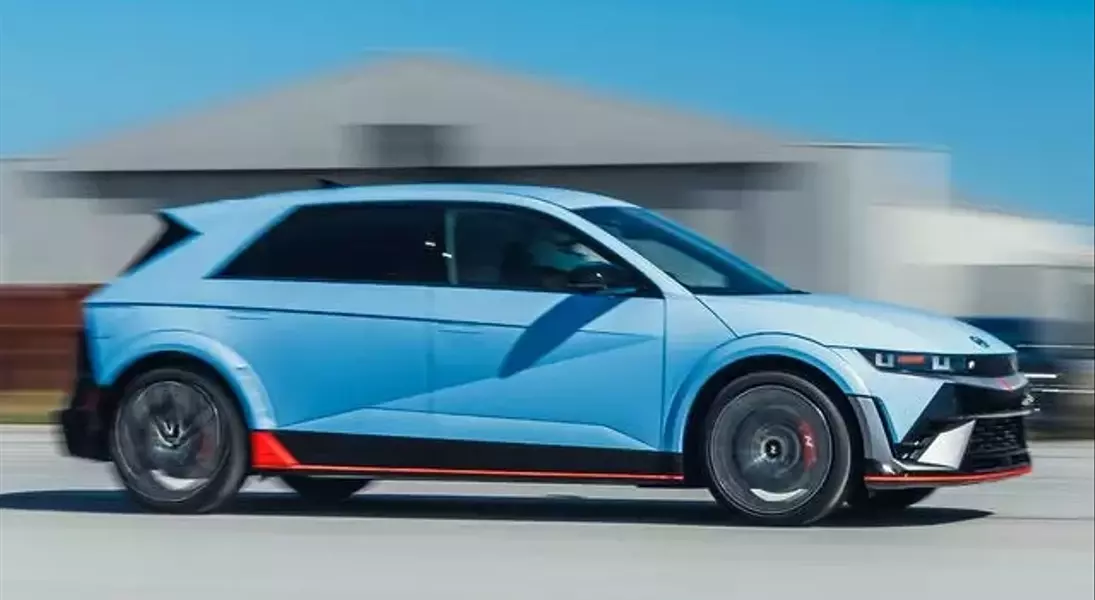
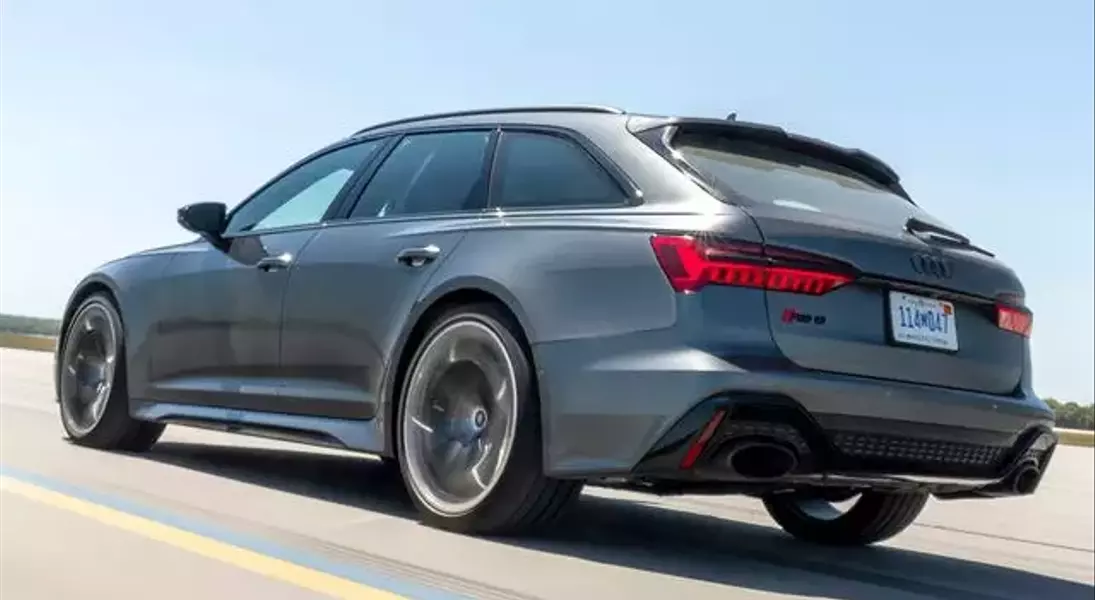
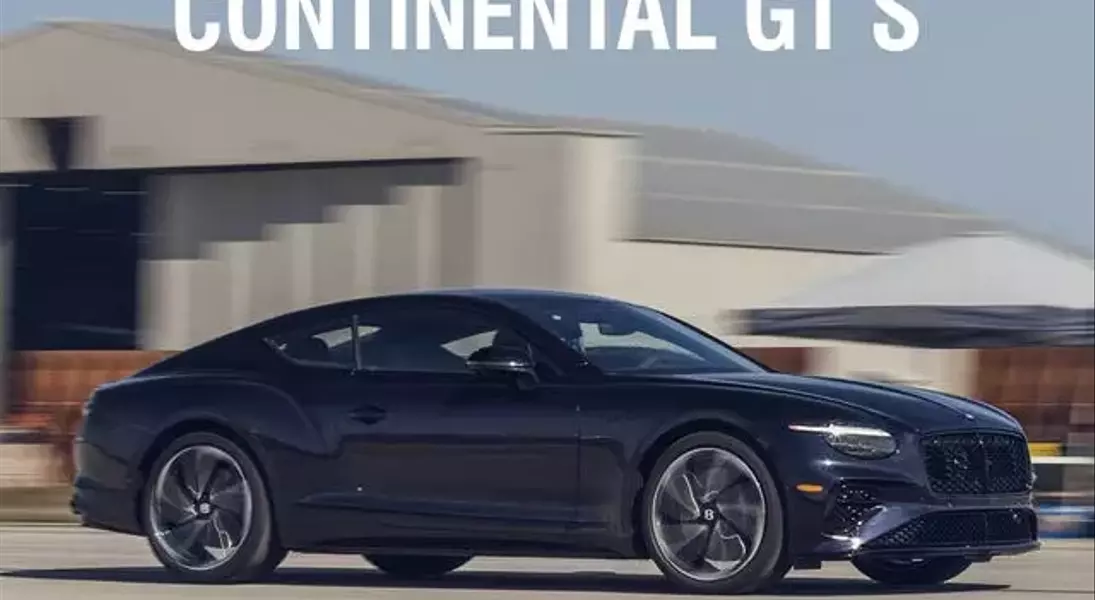
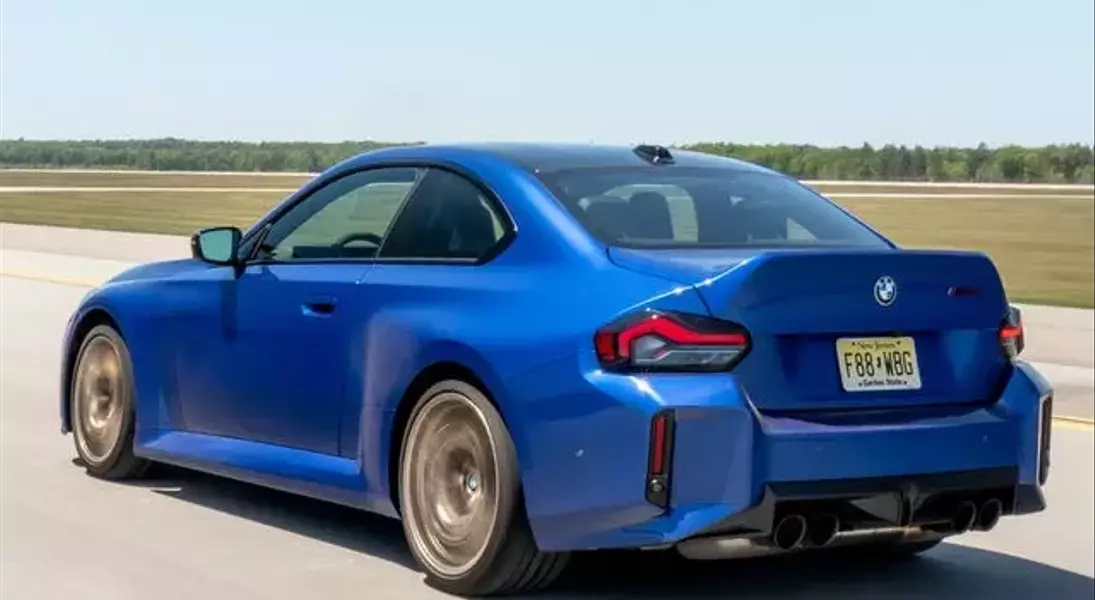
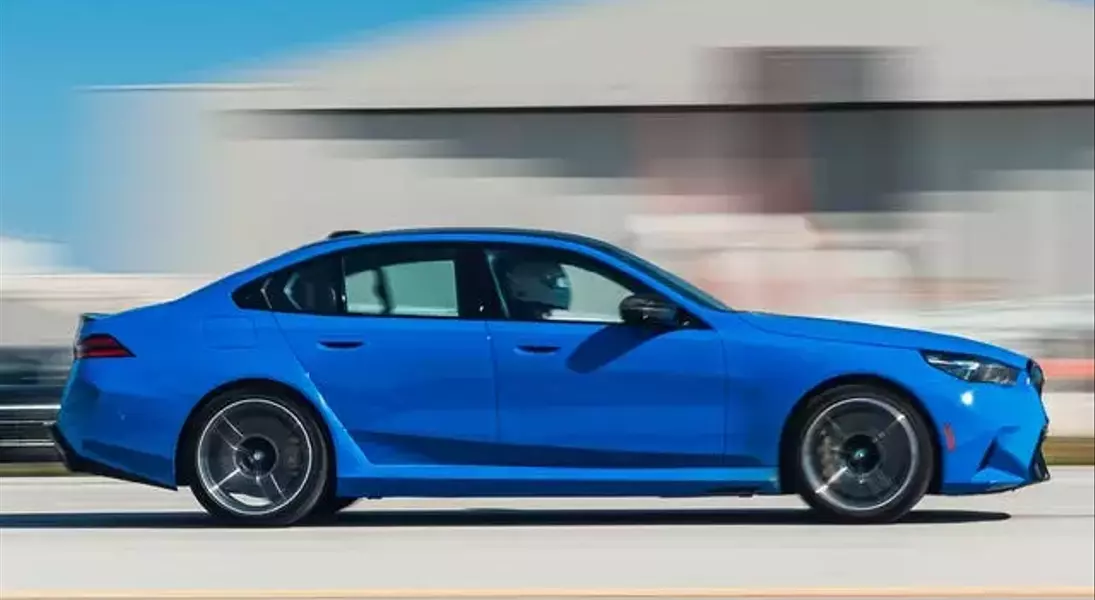
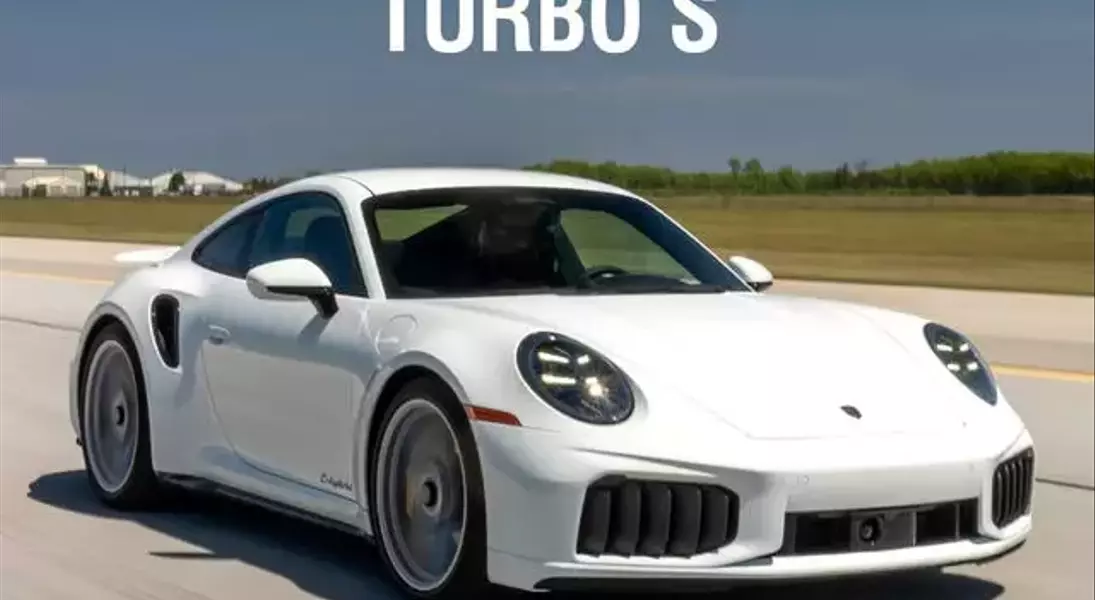
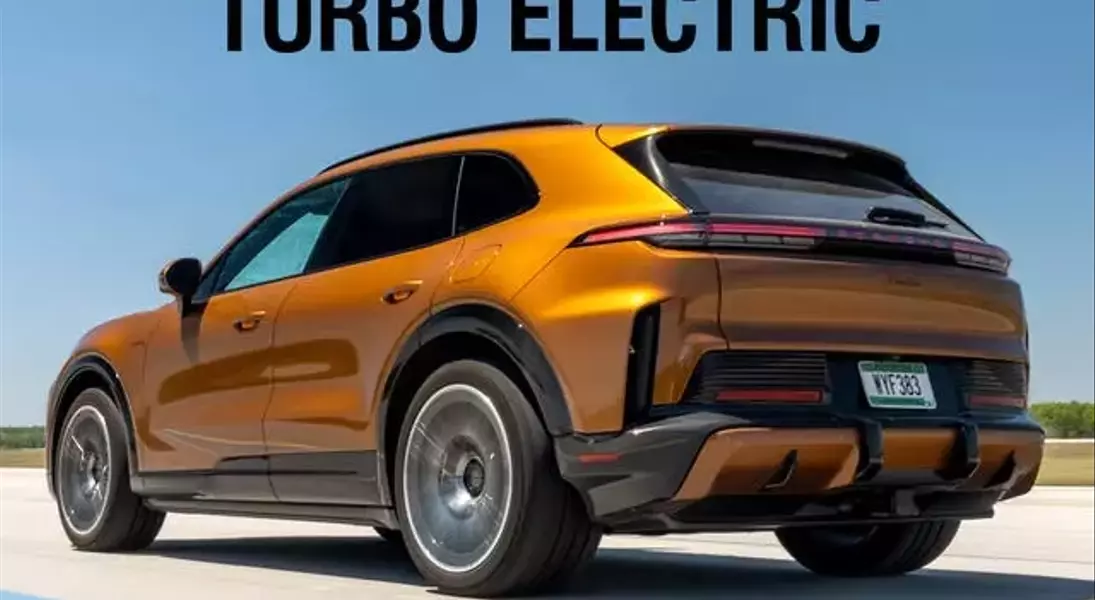
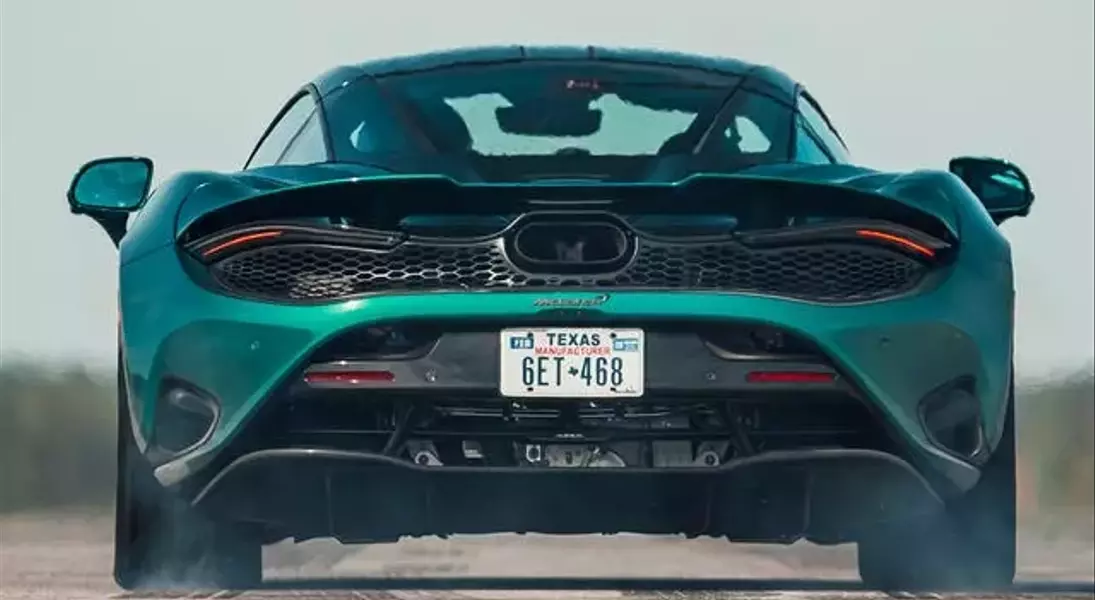
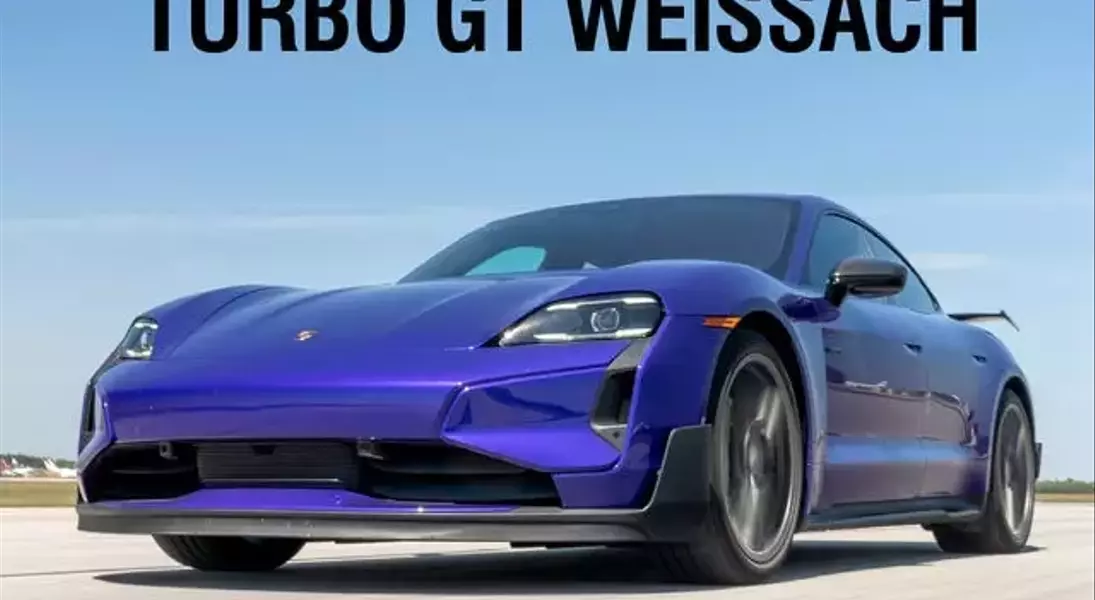
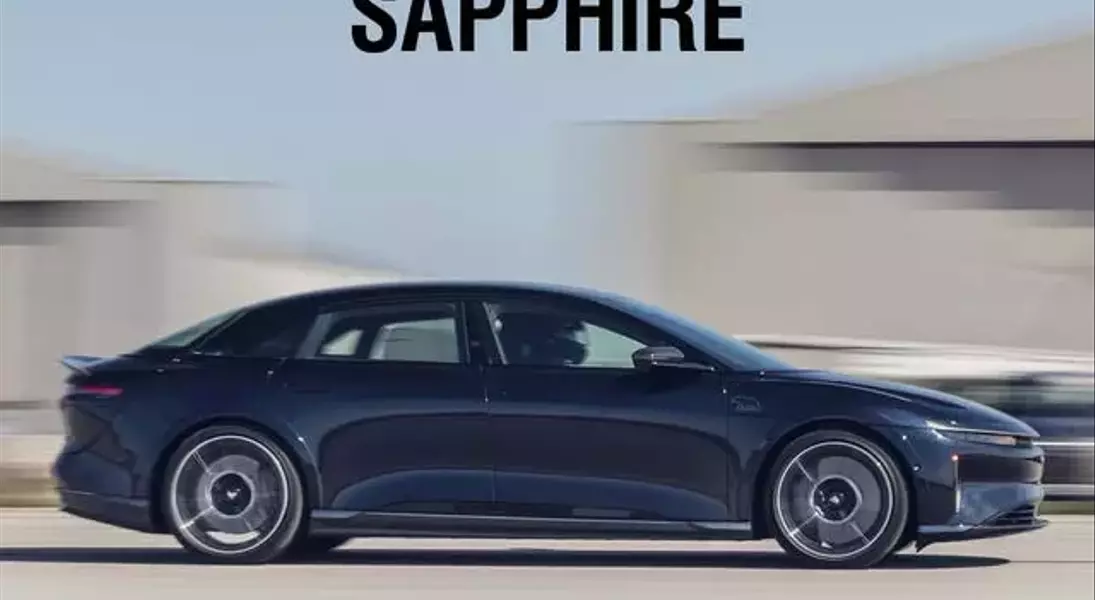
The roster of vehicles participating in this demanding assessment was diverse, representing the pinnacle of automotive engineering across several categories. From the raw power of the Chevrolet Corvette ZR1X to the refined aggression of the McLaren 750S, and the continued dominance of the Porsche 911 Turbo S, the sports car segment was well-represented. Sedans also made a strong showing, with the Porsche Taycan Turbo GT Weissach and Lucid Air Sapphire demonstrating the formidable capabilities of electric and hybrid powertrains. The BMW M5 and Audi RS6 Avant, featuring twin-turbo V-8s and all-wheel drive, brought their own brand of robust performance. Even the family-oriented Porsche Cayenne Turbo Electric and grand tourers like the Bentley Continental GT S and Dodge Charger Scat Pack participated, alongside more accessible options such as the Hyundai Ioniq 5 N and Elantra N, illustrating the widespread advancements in high-speed performance across the automotive spectrum.
The rationale behind such a rigorous test is clear: the current generation of automobiles possesses such extraordinary speed that traditional metrics, like acceleration to 60 or 100 mph, no longer fully capture a high-performance car's dynamic range. This 0-150-0 mph challenge provides a more complete understanding of how these engineering marvels handle extreme acceleration and braking, pushing the boundaries of what is possible in vehicle performance. The results offer valuable insights into the blend of power, technology, and driver skill required to master these incredible machines, ultimately contributing to the evolution of automotive design and safety.
