Uncover the fascinating journey behind the creation of the iconic Nintendo DS titles, Pokémon Diamond and Pearl, through newly revealed insights into Game Freak's innovative development processes.
Building Worlds: From Lego to Lore in Pokémon Development
Innovative Design Techniques: Crafting Game Worlds with Physical Tools
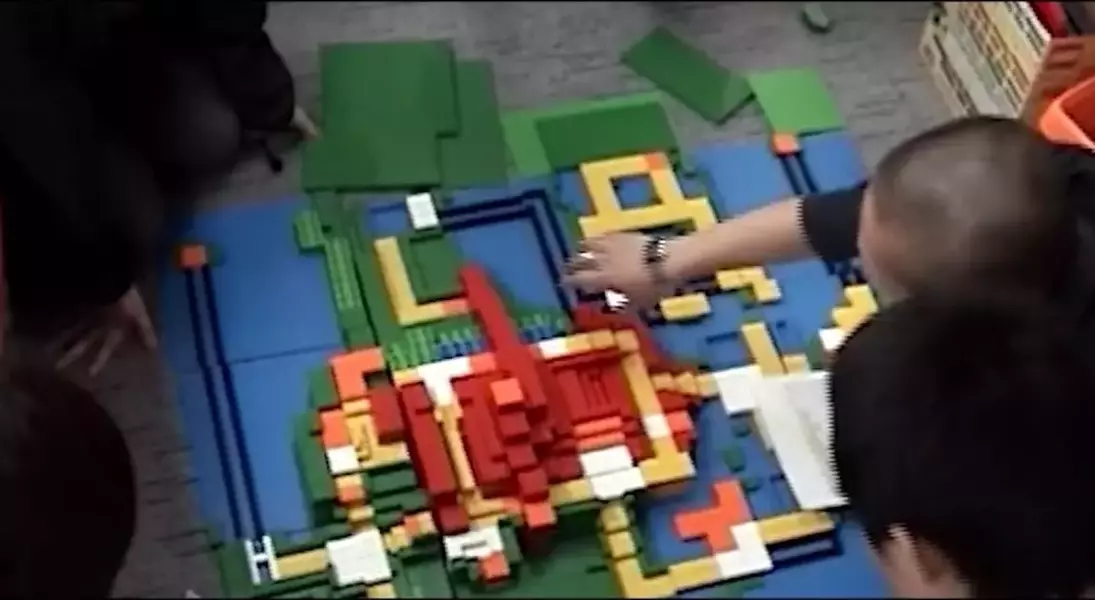
Game development often extends beyond digital interfaces, with some of the most creative processes beginning with tangible, hands-on methods. While traditional pen and paper remain staples, physical models and toys can play a crucial role. A prime example is the creation of Pokémon Diamond and Pearl for the Nintendo DS, where developers at Game Freak meticulously refined the game's map using Lego bricks.
Unveiling Secrets: The "Making-Of" Documentary
Previously, a fleeting image of Game Freak developers utilizing Lego for their game design circulated online without full context. However, Pokémon enthusiasts have now unearthed and uploaded a never-before-seen "making of" documentary for the 2007 Pokémon titles. This documentary, titled Pokémon Diamond and Pearl: Behind the Scenes DVD — Make All, distinctly shows Game Freak personnel manipulating Lego pieces while discussing intricate map details. Given the inherent blocky aesthetic of the game's map, this hands-on approach likely comes as no surprise to dedicated fans.
Lego's Role in Gaming History: Beyond Game Freak
Game Freak's use of Lego is not an isolated incident in the gaming industry. Esteemed game designer Hideo Kojima famously employed Lego during his tenure at Konami to conceptualize and construct the levels and architectural elements for seminal titles such as Metal Gear Solid and Metal Gear Solid 2: Sons of Liberty, highlighting the versatility of these building blocks in visualising complex game environments.
From Sketches to Sinnoh: Evolving Map Designs
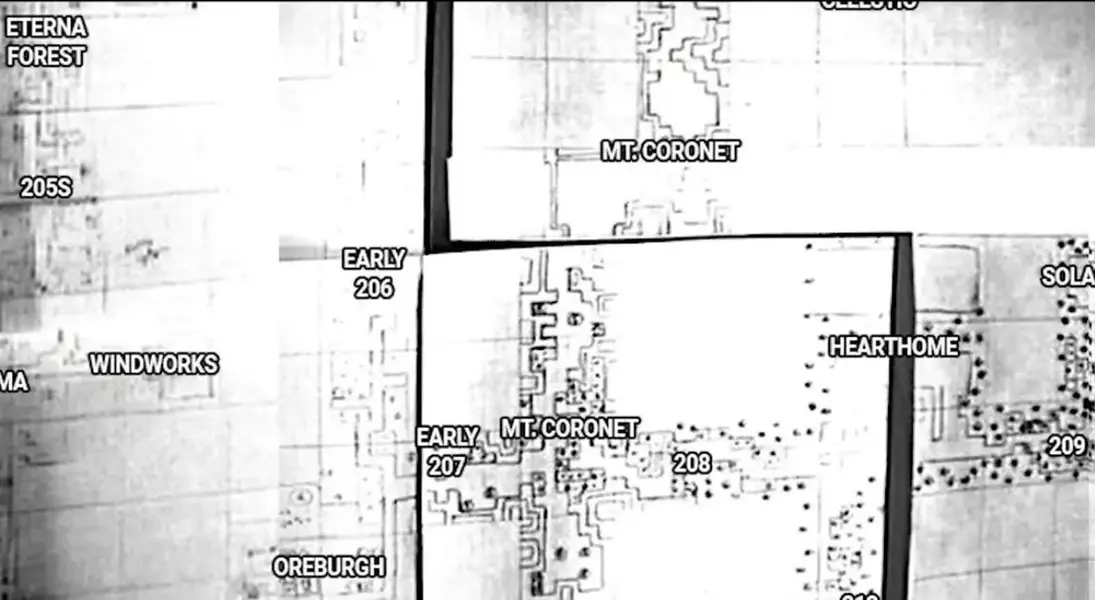
While Lego proved invaluable for broad conceptualizations, Game Freak also relied on hand-drawn maps for the detailed layouts of individual routes and dungeon areas. The recently released documentary footage illustrates developers sketching these elements. Pokémon archivists have painstakingly compiled these diverse routes into a cohesive image, revealing interesting discrepancies from the final game map. Notably, an earlier iteration of Jubilife City, Sinnoh's sprawling metropolis, appears. Furthermore, Eterna Forest was initially conceived as a smaller area, its subsequent expansion undoubtedly enhancing its memorable maze-like quality.
A Glimpse into the Past: Early 3D Renderings and Hidden Depths
The documentary also features an internal map test that underscores the game's fundamental 3D nature. While some fans perceived the Diamond and Pearl generation as purely 2D, the footage reveals a beta version where players could control the camera in a manner reminiscent of Super Mario 64, complete with a fully rendered 3D protagonist. This suggests an alternate timeline where Pokémon might have pioneered the HD-2D aesthetic now prevalent in contemporary RPGs. The 56-minute documentary, currently untranslated, is a treasure trove of fascinating details, such as the revelation that the game's subterranean regions were inspired by game director Junichi Masuda's father's challenging experiences as a coal miner.
Anticipating the Future: Continuing the Pokémon Legacy
Pokémon aficionados can delve into the original documentary via the Internet Archive while eagerly awaiting further announcements regarding the next generation of games, rumored to be Pokémon Winds and Pokémon Waves, anticipated for release on the Switch 2 in the coming year.
