Hidden Door, an innovative AI-powered platform for role-playing games, has made its grand debut, promising to revolutionize how fans engage with cherished fictional narratives. This new venture distinguishes itself by partnering directly with intellectual property holders, offering a fresh model for fan engagement and monetization that prioritizes creative control and respects the original works. It aims to transform passive consumption into active participation, allowing users to delve into familiar worlds and weave their own imaginative tales within them.
New Horizons in Narrative Play: Hidden Door's Grand Unveiling
On a significant Wednesday, Hidden Door, the brainchild of co-founders Hilary Mason, CEO, and Matt Brandwein, Chief Product Officer, was officially introduced to the public. This pioneering platform is designed to immerse players in an interactive storytelling experience, leveraging advanced artificial intelligence to facilitate dynamic narratives within established fictional realms. At its inception, Hidden Door offers an eclectic mix of universes for exploration. Enthusiasts can venture into the mysterious depths of H.P. Lovecraft's “The Call of Cthulhu,” navigate the societal intricacies of Jane Austen’s “Pride and Prejudice,” or journey through the fantastical lands of L. Frank Baum’s “The Wizard of Oz,” all of which reside in the public domain. Additionally, the platform proudly features the revered cult classic “The Crow” movie franchise from Pressman Film, adding a darker, more dramatic dimension to its initial offerings.
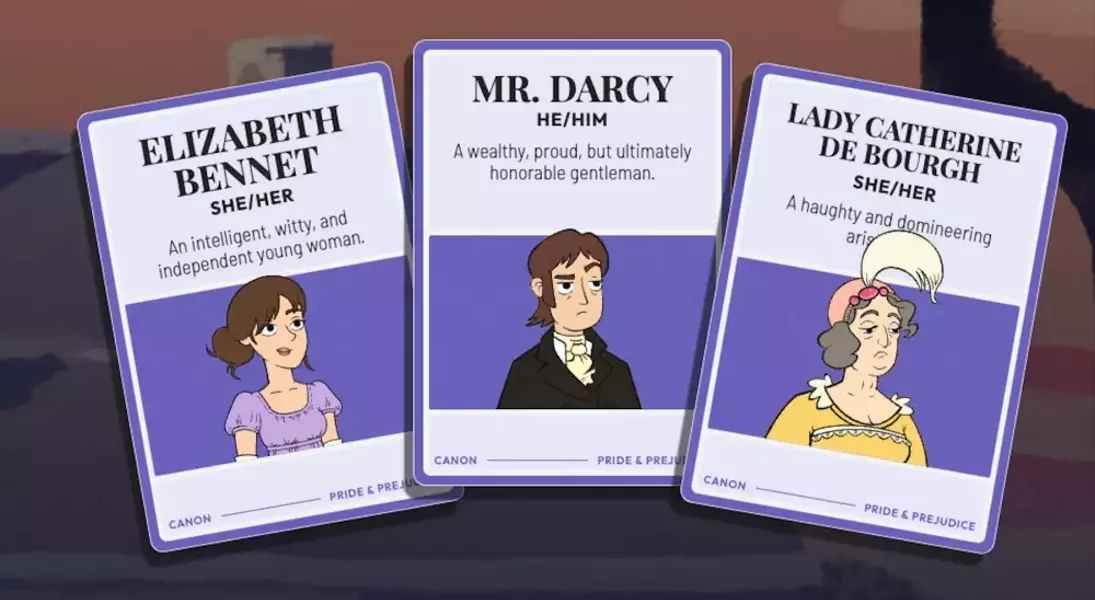
What truly sets Hidden Door apart is its innovative approach to collaborative storytelling. Players are not merely passive participants; they become active co-creators, guided by an AI known as the “Narrator.” This omniscient entity prompts players to shape their characters and steer the unfolding adventures, responding to their choices and guiding the narrative’s progression. A particularly captivating feature is the ability to introduce genre-bending elements, such as vampires or pirates, which can dramatically alter the established rules and dynamics of these well-known worlds. This creative freedom allows for unique interpretations and fresh perspectives on classic tales. As players successfully complete stories, they unlock “cards”—elements that can be seamlessly incorporated into new narratives, fostering an ever-expanding, interconnected universe shaped by the community. This collaborative lore-building extends to sharing storylines and elements from other players' worlds, cultivating a vibrant, shared creative space. Hidden Door operates on a unique creator partnership model, designed to navigate the growing concerns surrounding generative AI and intellectual property. Instead of training AI on existing works without consent, Hidden Door engages in revenue-sharing agreements with content creators, requiring minimal time investment while granting authors and publishers continued creative oversight. This model offers a new revenue stream and invaluable insights into how fans interact with their beloved creations, establishing a symbiotic relationship between creators and their audience.
Looking ahead, Hidden Door, which is currently available for free, plans to significantly expand its library of playable titles. Upcoming additions include a diverse collection of romantic fiction from 831 Stories, compelling science fiction narratives from acclaimed authors Alan Dean Foster and Ramez Naam, and more captivating stories from Pressman Film. The platform is also set to introduce new features, such as the ability to “remix” existing stories and seamlessly share them with friends, further enhancing the social and collaborative aspects of the gaming experience. As Hilary Mason eloquently puts it, Hidden Door transcends mere observation and reading; it's about “living” the stories. Matt Brandwein emphasizes the platform’s role in deepening the bond between creators and their audiences, providing a space where imagination flourishes and every interaction generates valuable insights. This innovative endeavor promises a future where fan communities can collectively shape and expand their favorite fictional worlds, creating a truly immersive and personal storytelling journey.
The advent of Hidden Door marks a pivotal moment in the entertainment landscape, demonstrating a harmonious blend of technological innovation and creative respect. It’s an exciting testament to how artificial intelligence, when thoughtfully applied, can augment human creativity rather than undermine it. For too long, the digital realm has been a battleground for intellectual property rights, but Hidden Door offers a beacon of cooperation, proving that monetization and fan engagement can coexist ethically and profitably. As a reader, this development fills me with immense optimism. It promises to democratize storytelling, empowering fans to transition from passive consumers to active architects of narrative. Imagine the boundless possibilities when the collective imagination of a global fandom is unleashed within a structured yet flexible framework. This platform is not just a game; it’s a living, breathing canvas where beloved characters can embark on new, unexpected journeys, shaped by the very people who cherish them most. It encourages a deeper, more personal connection to stories, fostering a sense of ownership and community that traditional media often struggles to achieve. The future of interactive entertainment looks brighter, more collaborative, and infinitely more imaginative with platforms like Hidden Door leading the charge.
