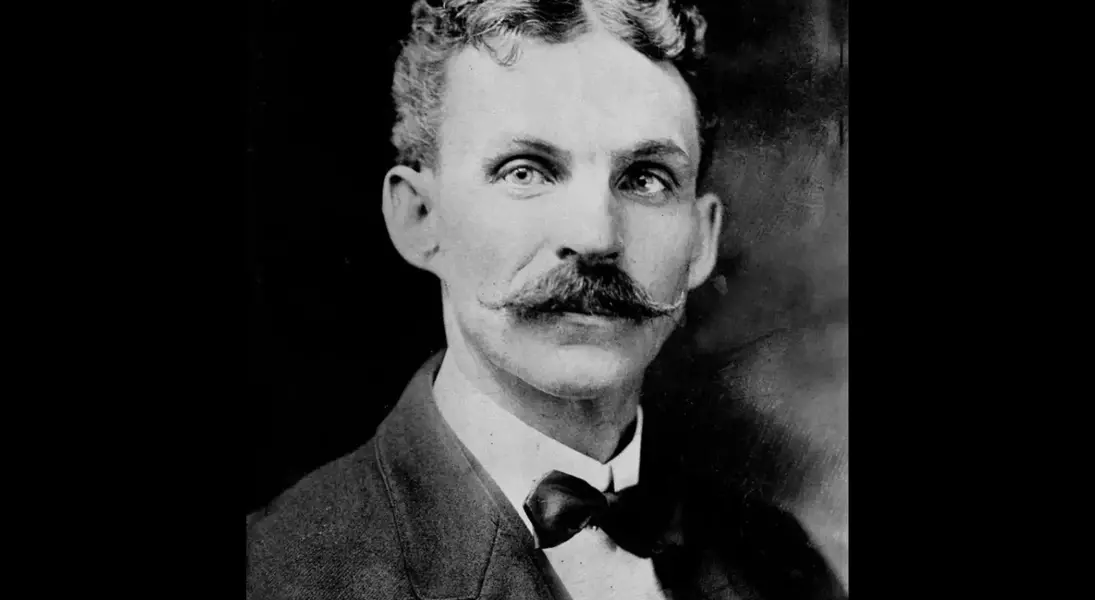
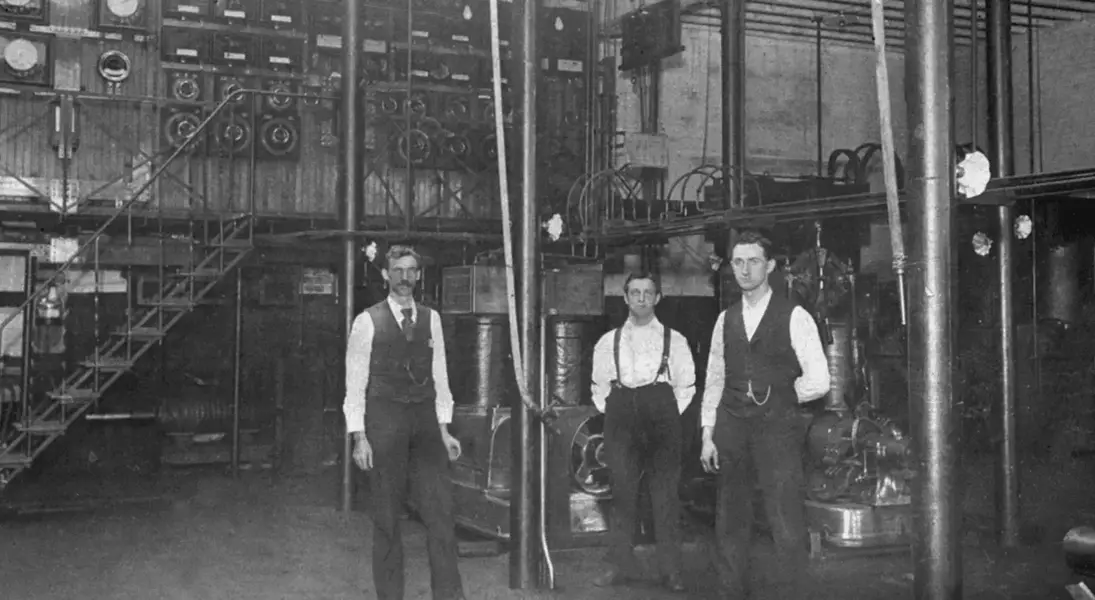
Henry Ford's enduring legacy in the automotive world, epitomized by the Model T's remarkable success, was not without its initial hurdles. Before introducing the iconic Model T, which became one of the best-selling cars globally alongside the Toyota Corolla and Volkswagen Beetle, Ford experienced two failed business ventures approximately 125 years ago. His unwavering determination to create an accessible vehicle for the general public propelled him through these early challenges.
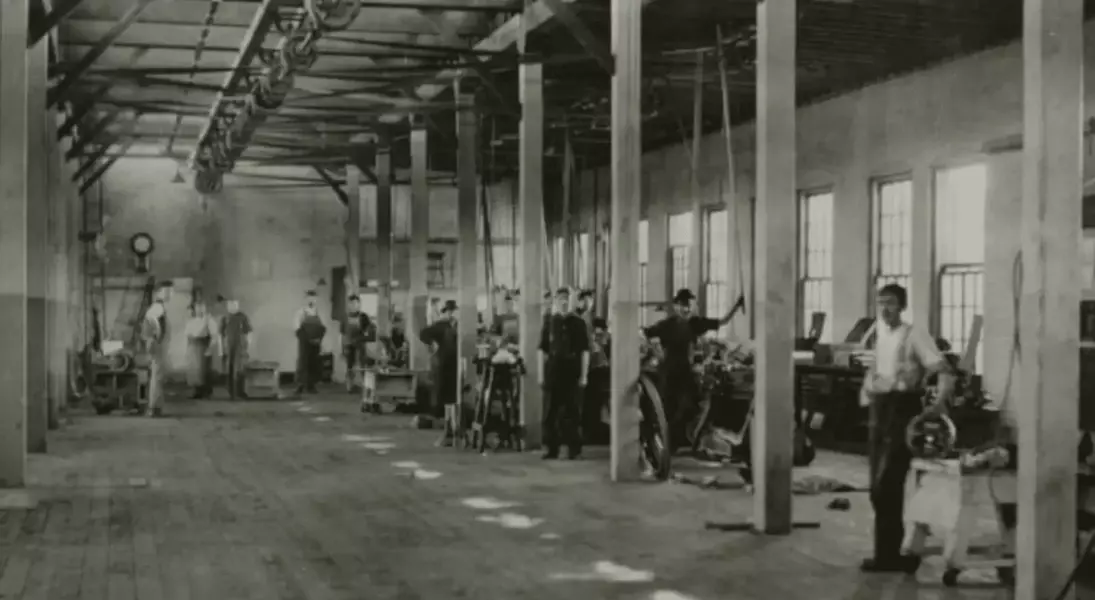
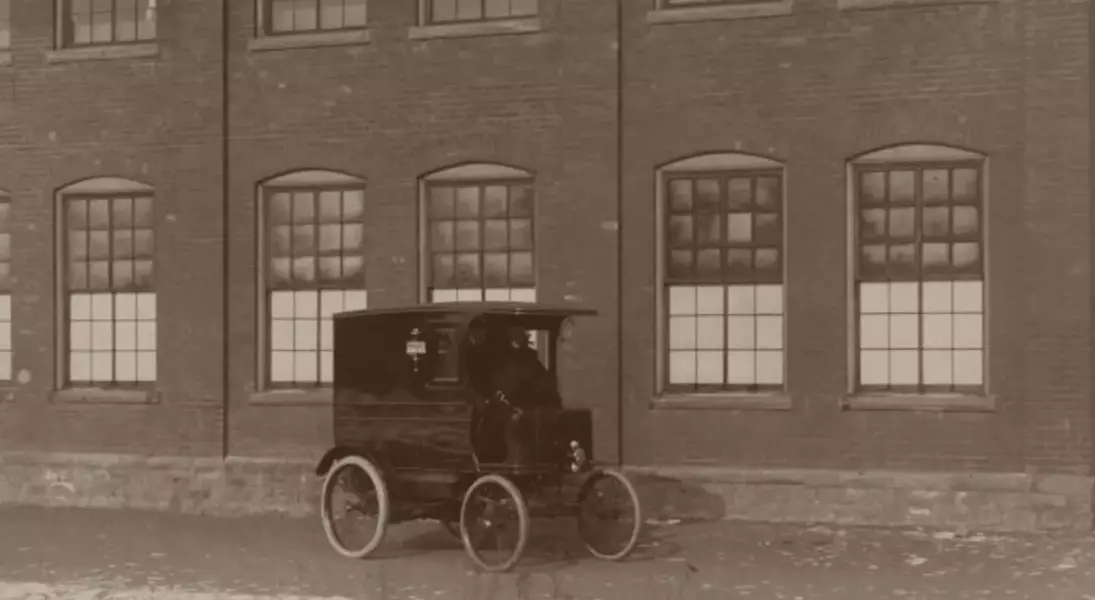
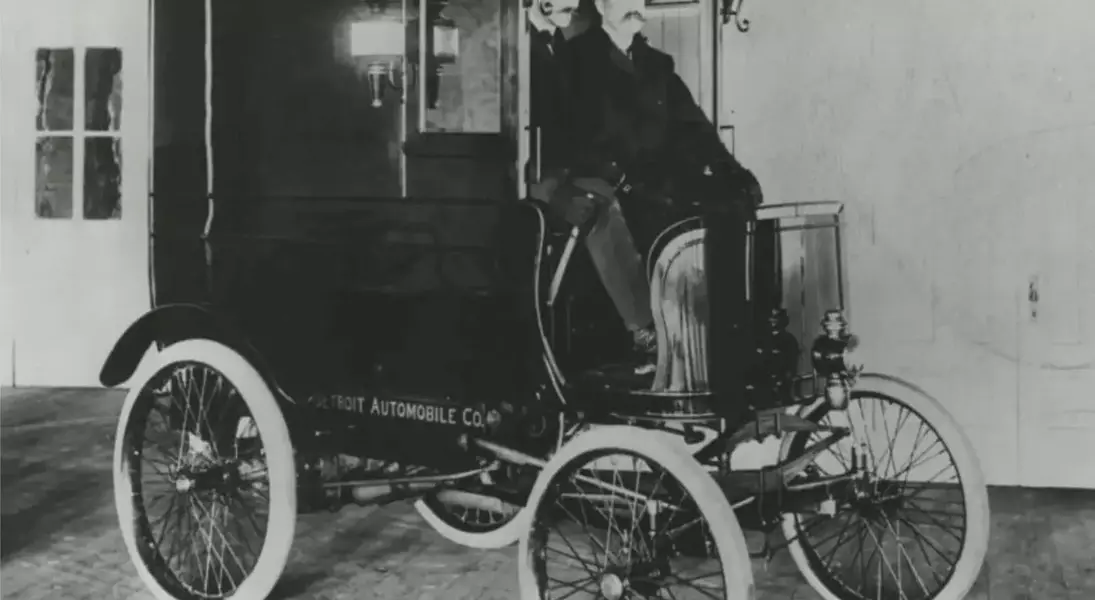
Ford's first attempt, the Detroit Automobile Company, founded in 1899 after he developed his initial Quadricycle, faltered due to slow production speeds and financial difficulties, leading to its closure in 1901. His second endeavor, the Henry Ford Company, established after a successful race event in 1901, also faced internal disputes, particularly concerning the company's direction and its emphasis on building racing cars. These disagreements led to Ford's departure, and the company subsequently underwent a transformation, eventually becoming known as Cadillac. Despite these setbacks, Ford, collaborating with new investors, founded Ford Motor Company, which released early models like the Model A and Model K before the game-changing Model T debuted in 1908. The Model T's unprecedented sales of over 15 million units over nearly two decades transformed personal transportation and marked a significant turning point in the automotive industry.
Today, Ford Motor Company continues to be a dominant force in the global automotive market, consistently ranking among top brands in the United States with popular models like the F-Series, Toyota RAV4, and Chevrolet Silverado. The company also maintains a strong presence in motorsports, with the Mustang competing in GT3 races and Ford serving as the engine technical partner for Red Bull Racing in Formula 1. Henry Ford's early struggles underscore the importance of persistence and vision; his resilience in the face of adversity ultimately laid the foundation for the multinational automotive giant that thrives today, a testament to the power of continuous innovation and unwavering commitment to a dream.
The journey of Henry Ford illustrates that monumental success often emerges from a series of trials and errors. His unwavering belief in making automobiles affordable and accessible, despite early failures, serves as a powerful reminder that perseverance and adaptability are crucial ingredients for achieving transformative goals. This narrative of overcoming obstacles to realize a groundbreaking vision continues to inspire and demonstrates that even the greatest innovations often stem from humble beginnings and persistent effort.
