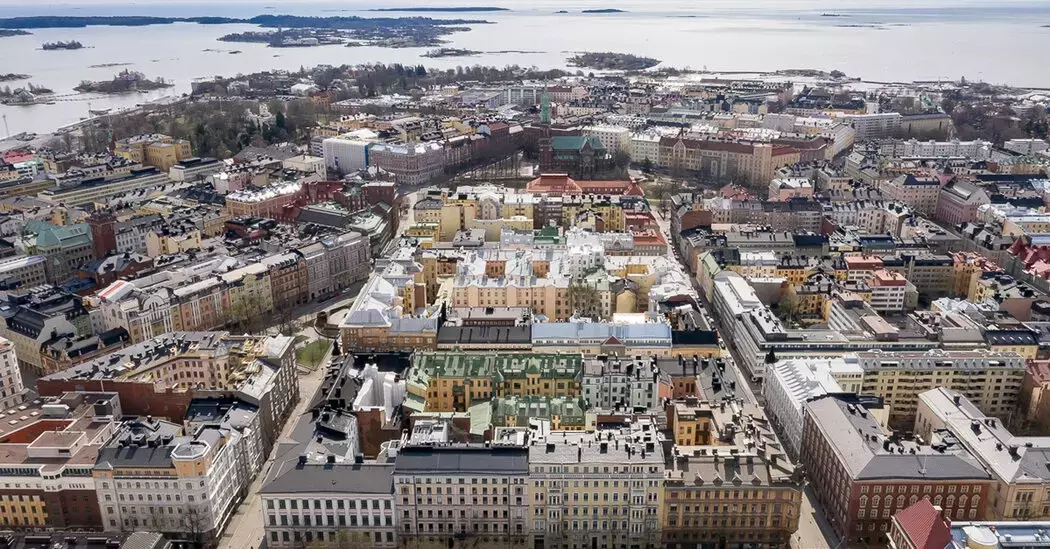
Exploring the rich tapestry of Helsinki's architectural history reveals a city deeply intertwined with its past yet forward-thinking in design. The Finnish capital, nestled on a flower-shaped peninsula, has undergone numerous transformations over centuries, emerging as an influential hub for global design. From its origins under Swedish and Russian dominion to its eventual independence, Helsinki's identity is marked by a fusion of cultural influences and innovative architecture.
Architectural landmarks define the city’s evolution, reflecting both historical significance and modern ingenuity. One notable figure in this narrative is Alvar Aalto, whose visionary designs have left an indelible mark on Helsinki. His creations, ranging from grand public venues like Finlandia Hall to intimate residential spaces such as his home in Munkkiniemi, exemplify how architecture can encapsulate national pride and aesthetic sophistication. Beyond Aalto, Helsinki boasts diverse styles, including neo-Classical sanctuaries and Art Nouveau dwellings, culminating in contemporary marvels like the Oodi Central Library. These structures not only narrate the city's growth but also underscore its commitment to artistic expression and technological advancement.
The Suomenlinna fortress stands as a testament to Helsinki's resilience and adaptability, transitioning from a military stronghold to a vibrant community space. Originally constructed by the Swedish crown in the 18th century, it later bore the imprint of Russian governance before becoming a symbol of Finnish independence. Today, it serves as both a residential area and an open-air museum, inviting visitors to traverse its cobblestone streets and admire its historic edifices. This journey through Helsinki's architectural legacy inspires us to embrace innovation while honoring tradition, demonstrating that progress thrives when rooted in heritage and creativity.
