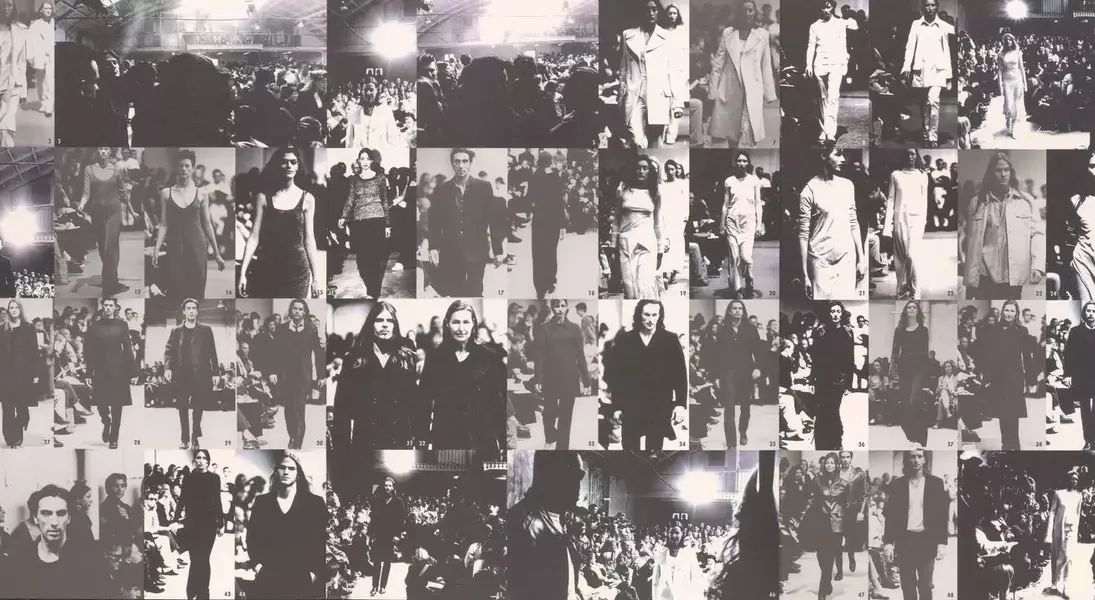
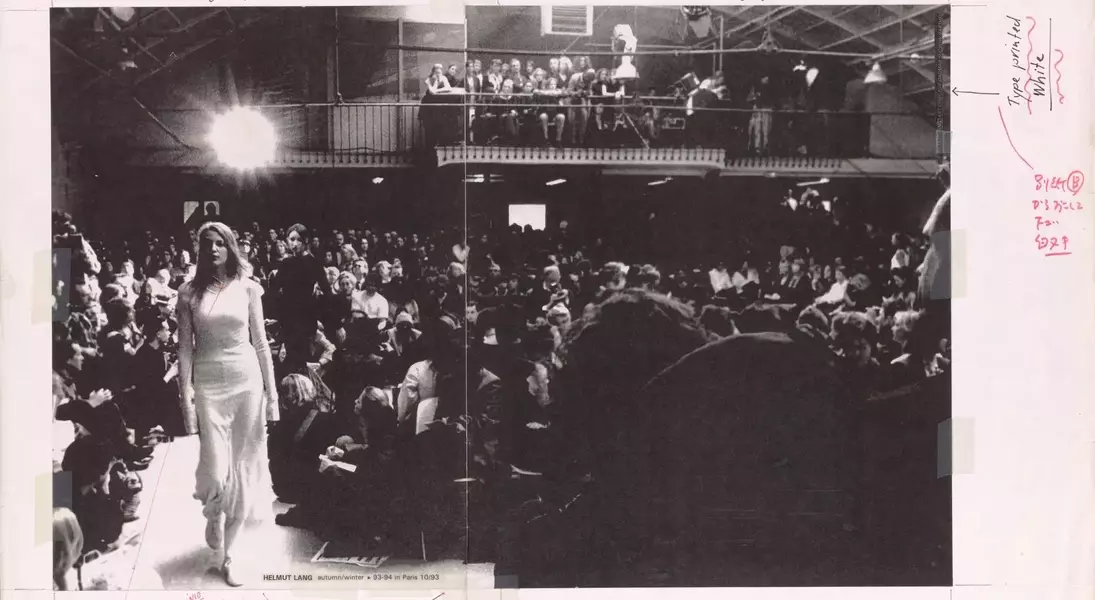

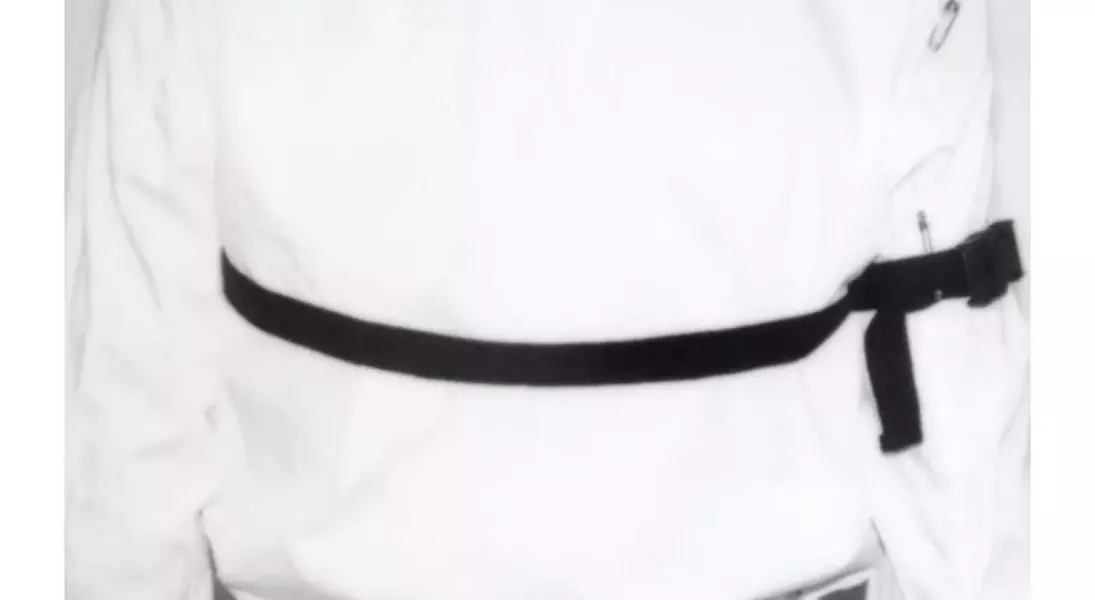
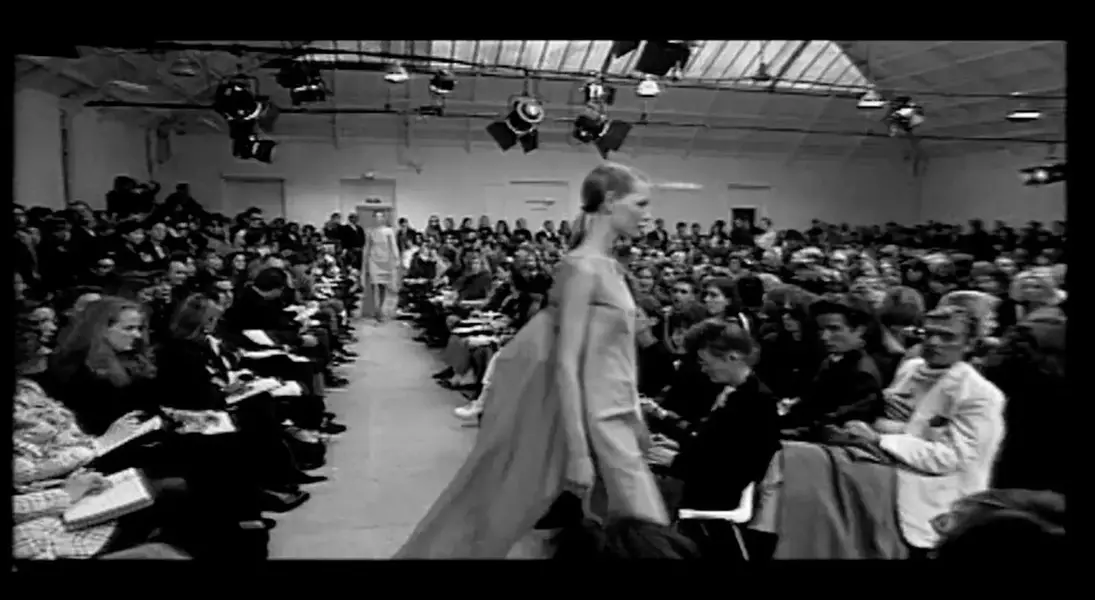
A significant new exhibition, "Helmut Lang Séance De Travail 1986–2005," is set to open in Vienna, chronicling the influential career of Helmut Lang from his brand's inception to his departure. This retrospective, hosted by MAK, which houses the most extensive Lang archive thanks to his 2011 donation of approximately 10,000 items, offers an unparalleled look into the designer's impact on fashion beyond the runway. The collection, comprising not only garments but also a wealth of supporting materials like lookbooks, advertisements, and backstage passes, underscores the multifaceted efforts behind building such an iconic label.
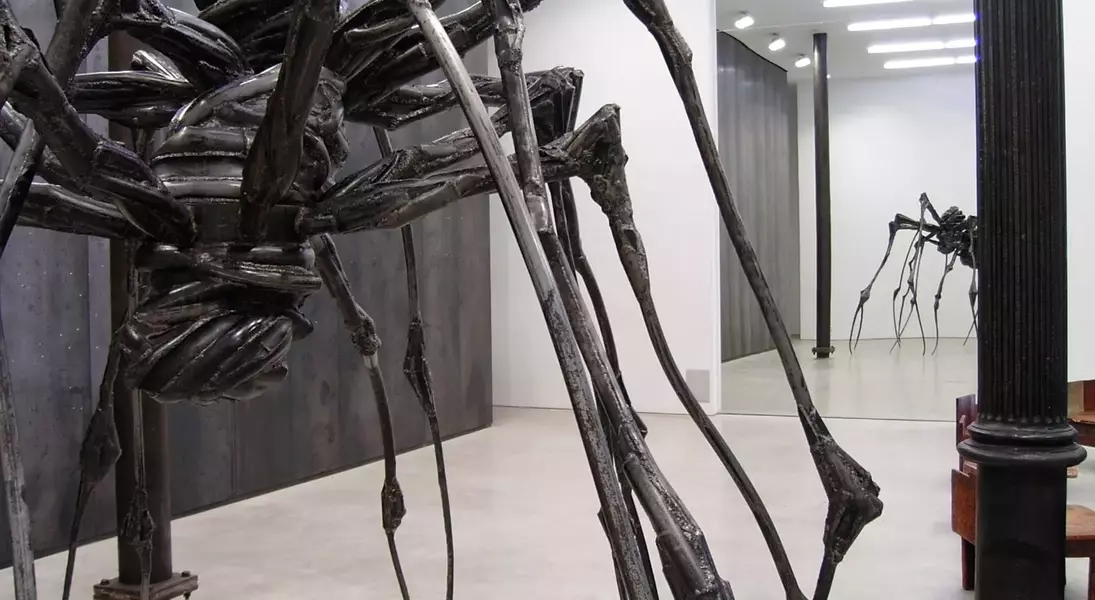
The exhibition's purpose is to honor Lang's wish for a "living archive," aimed at inspiring future creators to boldly forge their unique paths, as articulated by the designer himself: "The past is never easier than the present; the present is always the opportunity." MAK's General Director Lilli Hollein, over two years, meticulously curated this show as a comprehensive exploration of Lang's entire legacy, following an earlier Los Angeles exhibition of his sculptures. Hollein argues that Lang's work transcends traditional categorization, emphasizing that merely displaying garments would fail to capture the essence of his visionary approach, which integrated architecture, artistic collaborations, innovative advertising, and dramatic presentations to create a profound and immersive experience.
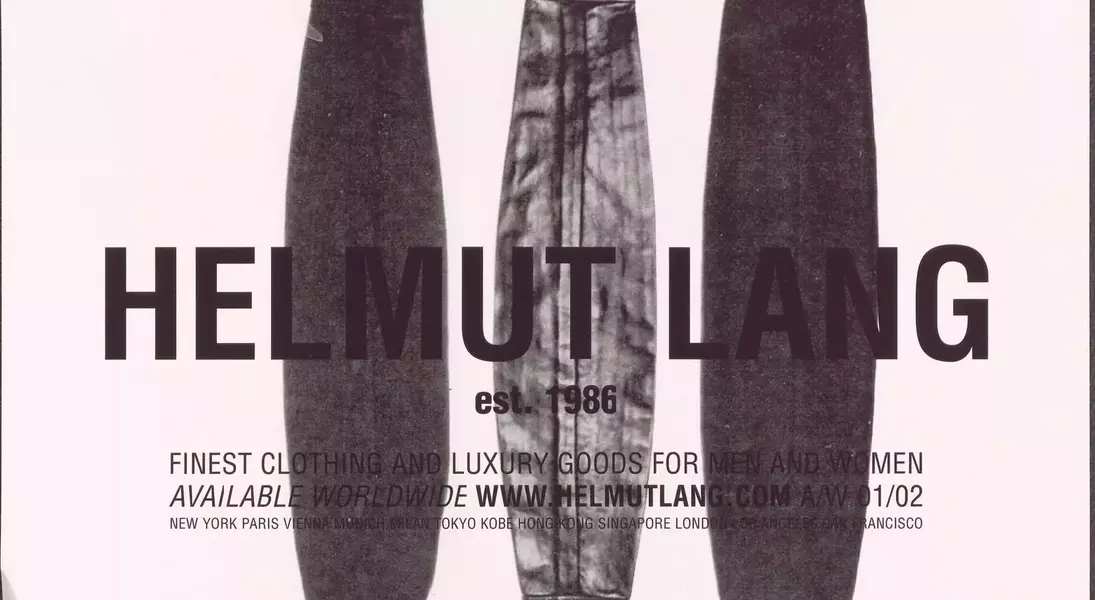
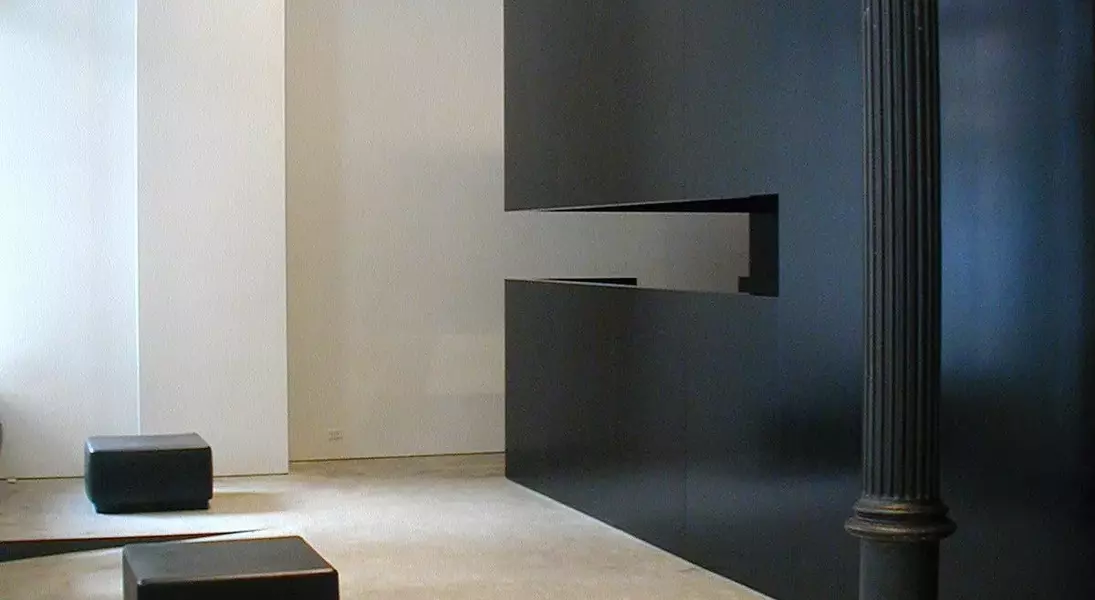
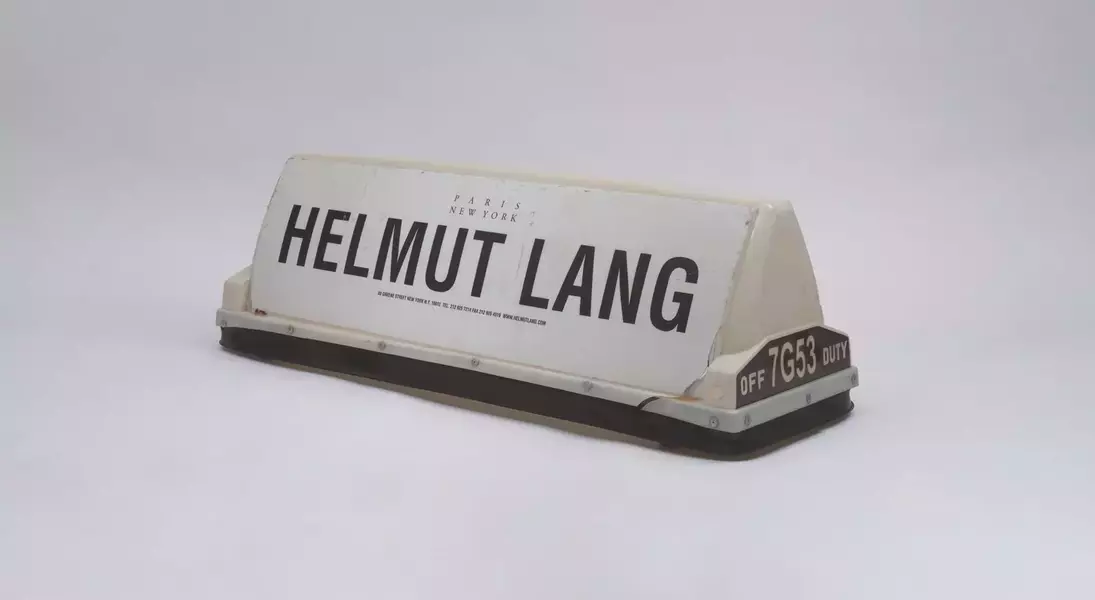
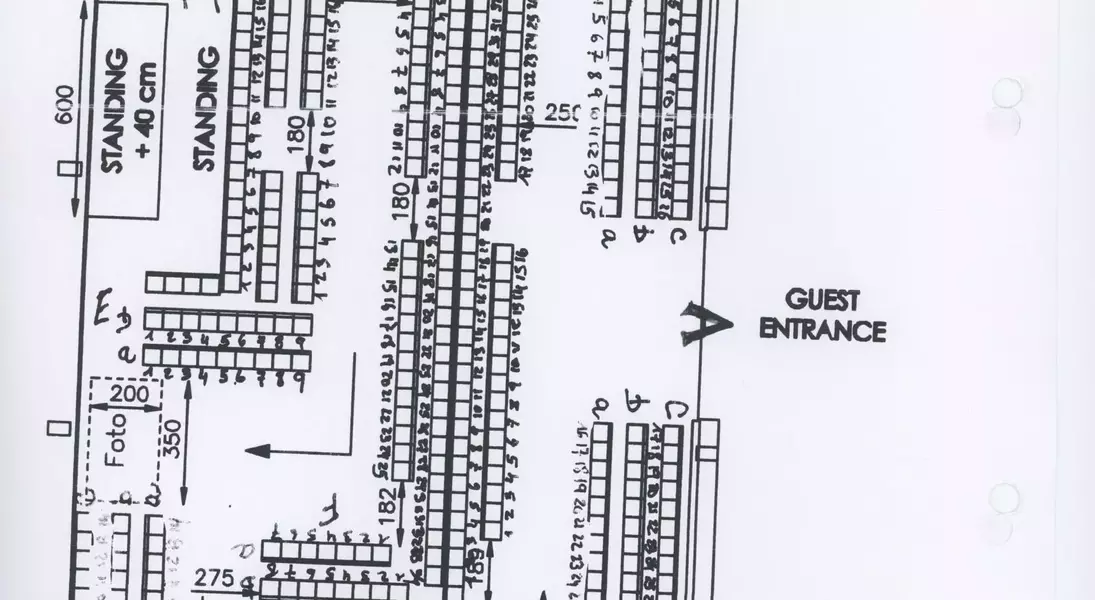
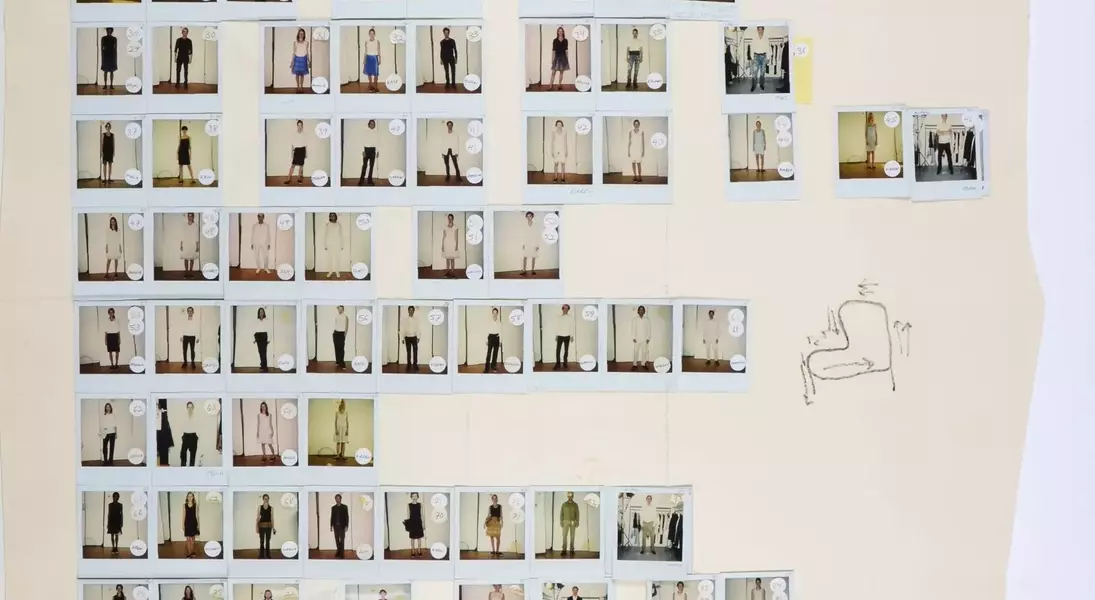
This immersive journey through Lang's fashion years is structured into five distinct sections, beginning with his groundbreaking fall 1998 presentation on CD-ROM—a testament to his early adoption of technology and a precursor to today's digital fashion landscape. Visitors then encounter displays featuring the brand's pioneering taxi-top advertisements and a partial reconstruction of his Greene Street store, underscoring New York City's profound influence on Lang's design philosophy. The exhibition's centerpiece, the "Séance De Travail" section, presents an enlarged seating plan from his shows, alongside digitized lookbook images on touchscreens, offering an interactive glimpse into his creative process. Further sections, like "Made to Measure and Perfumery," highlight his distinctive advertising strategies, including collaborations with artists like Jenny Holzer and Robert Mapplethorpe, characterized by minimalist aesthetics and a focus on artistic expression. The "Backstage" section reveals the meticulous, collaborative efforts behind his collections through Polaroids of fittings and design processes, illuminating the intricate world of fashion creation.
Ultimately, the exhibition redefines Helmut Lang's legacy, moving beyond the simplistic label of 'minimalist' to 'essentialist,' a term that better reflects his profound understanding of design's core purpose. Drawing inspiration from his grandfather, a shoemaker, Lang approached fashion with a focus on durability, quality, and utility, translating these principles into a distinctive visual language that prioritized how clothes adapt to life, rather than the reverse. This profound integration of aesthetics with purpose and progress, advocating for a cultural narrative over mere consumption, highlights his enduring relevance and calls for a collective appreciation of community over commodity, standing as a powerful statement against societal fragmentation.
