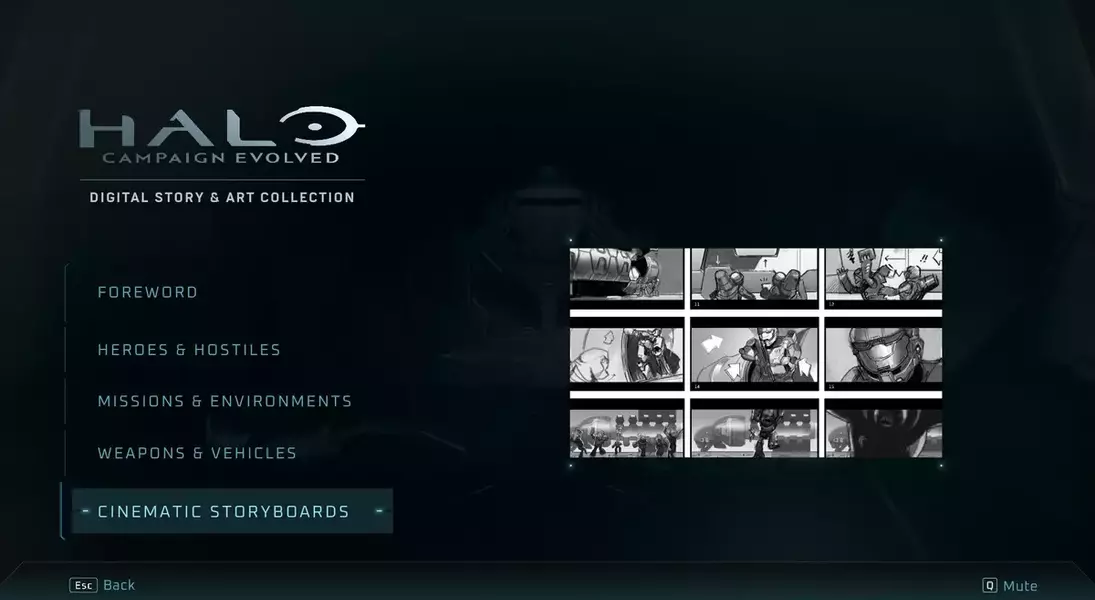
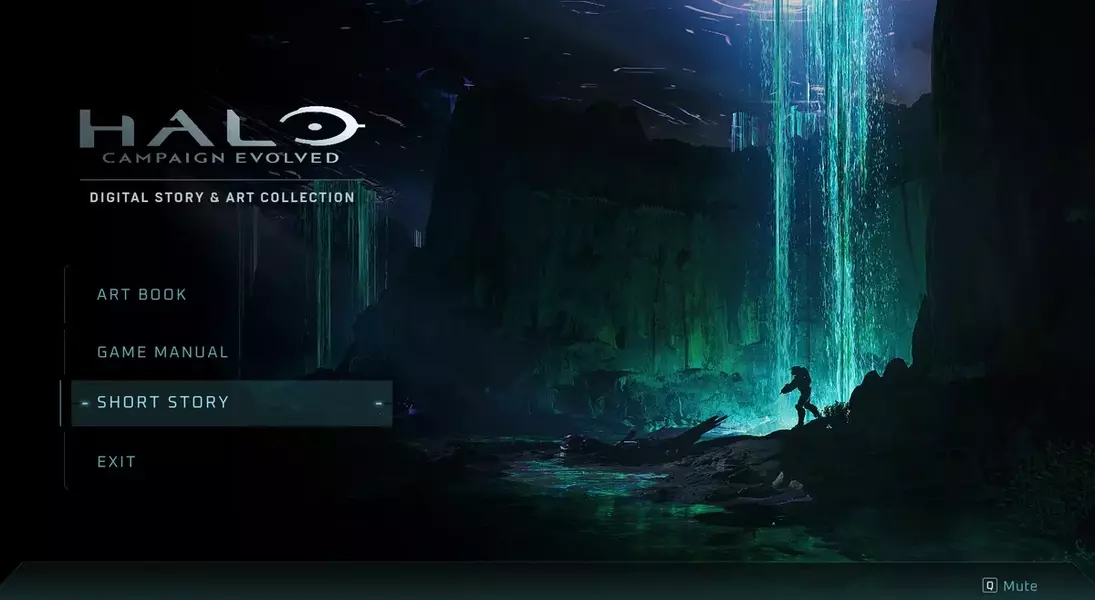
Upon its debut, early enthusiasts of Halo: Campaign Evolved encountered a frustrating snag: the Steam version of the game persistently launched its art book rather than the actual campaign. This unexpected diversion prevented players from diving into the eagerly anticipated title. However, developers promptly addressed the issue, rolling out a solution within a short period, allowing players to finally access their purchased game. Beyond the initial hiccup, additional challenges arose, particularly concerning the mandatory Microsoft account integration, which initially hindered seamless gameplay for many. This report delves into these early access difficulties, the rapid responses from the development team, and provides practical advice for players seeking to enhance their in-game experience, including optimizing visual settings and connectivity.
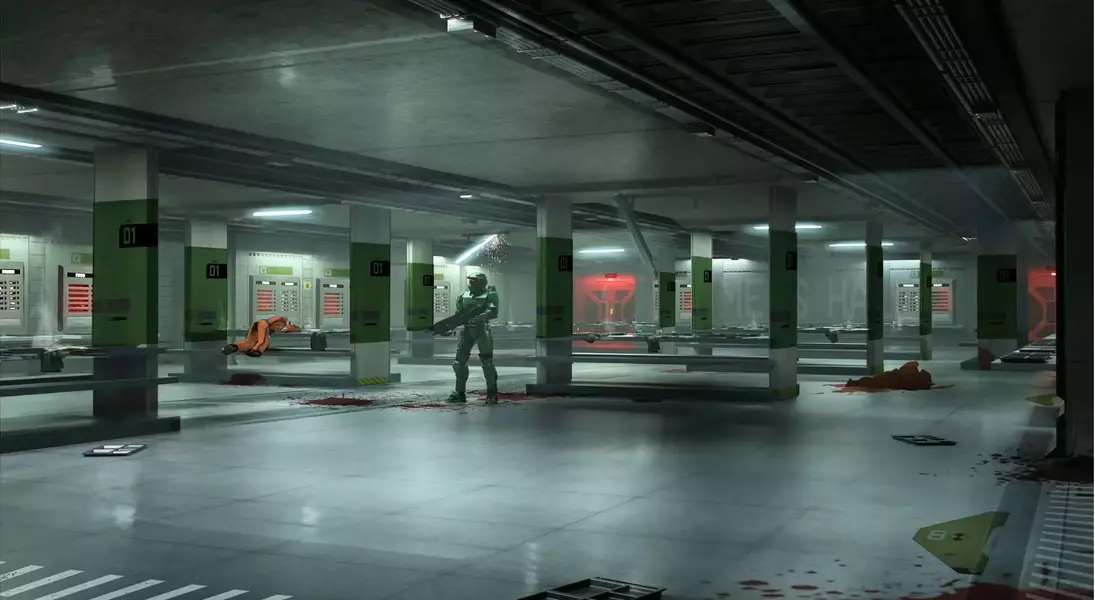
The initial hours following the early access launch of Halo: Campaign Evolved on Steam were marred by a peculiar software glitch. Instead of loading the game, the platform redirected users to a digital art book, much to the dismay of those eager to play. Reports quickly surfaced across various community channels, including Reddit and Discord, highlighting the widespread nature of the problem. Within approximately 40 minutes of these reports, a representative from the Halo development team confirmed awareness of the "Steam Art Book issue" and announced an imminent resolution. This fix, primarily requiring a simple Steam client restart, was indeed implemented swiftly, alleviating much of the community's frustration.
While the art book debacle was resolved, another significant hurdle for players involved the obligatory linking of a Microsoft account to play the game. This requirement meant that initial access demanded an online connection to Microsoft's servers, which, unfortunately, were experiencing congestion and instability on the launch day. Consequently, many players found themselves unable to authenticate and commence their gaming session. Despite these connectivity issues, a crucial detail emerged: once the Microsoft account is successfully linked, the game supports offline play on PC, offering a silver lining for those who managed to navigate the initial setup.
Beyond the launch-day woes, several performance optimization tips have surfaced to help players achieve a smoother experience. For instance, many suggest foregoing "Ultra" graphical settings in favor of "Low" or even "Very Low" on less powerful hardware, particularly handheld gaming PCs like the Asus ROG Ally X. This adjustment reportedly yields a significant performance boost with minimal visual degradation, as the differences between these settings are surprisingly subtle. Furthermore, a universally recommended action is to disable motion blur, a graphical effect that appears particularly pronounced and often detrimental to the visual clarity in Halo: Campaign Evolved.
The early access period for Halo: Campaign Evolved brought a mix of excitement and technical difficulties for its dedicated player base. From the unexpected art book launch to server-side authentication challenges, players had to navigate several obstacles before fully immersing themselves in the game. Nevertheless, the swift action by the development team and the discovery of practical workarounds and optimization techniques helped mitigate some of the initial frustrations. These experiences underscore the complexities of large-scale game launches and the importance of community feedback in refining the player experience.
