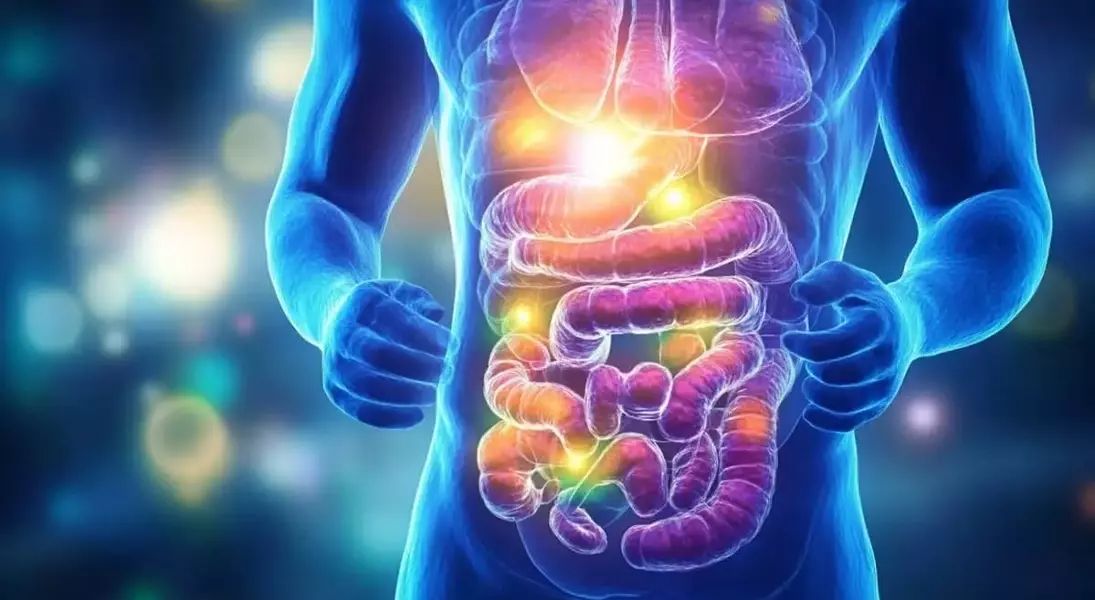
A groundbreaking study reveals the profound impact of combining heavy alcohol consumption with burn injuries on the gut microbiome. This combination leads to a significant disruption in beneficial bacteria, an increase in harmful microbes, and a severe drop in butyrate levels—a critical anti-inflammatory compound. Such microbial imbalance triggers heightened inflammation and weakens the gut barrier within just 24 hours of injury. Encouragingly, researchers found that pre-treatment with butyrate could mitigate this inflammatory response, opening potential therapeutic avenues for patients suffering from alcohol-related trauma.
The research highlights how microbial shifts and metabolic changes after such injuries could be addressed through replenishing lost metabolites. It also underscores the importance of rapid intervention, suggesting that therapies targeting the gut microbiome might improve recovery outcomes for trauma victims. These findings could revolutionize post-injury care by emphasizing the role of microbial health in overall recovery and resilience.
Microbial Imbalance: The Aftermath of Alcohol and Burn Trauma
When alcohol intoxication is combined with burn injuries, the gut microbiome experiences a dramatic transformation. Beneficial bacteria are depleted, while harmful microorganisms proliferate, leading to a significant reduction in bacterial diversity. This shift is particularly pronounced in the small intestine, where populations of Proteobacteria—a group containing many potentially harmful species—surge dramatically. Concurrently, short-chain fatty acids (SCFAs), especially butyrate, which play a crucial role in maintaining intestinal health, experience a notable decline. This disruption not only compromises gut integrity but also exacerbates systemic inflammation.
This microbial chaos stems from the physiological stress induced by both alcohol and burns. Alcohol slows down intestinal motility and damages the gut lining, weakening the protective barrier. When coupled with the trauma of burns, these effects become more pronounced, allowing harmful bacteria and their inflammatory byproducts to infiltrate the bloodstream. The research team conducted experiments using fecal samples from injured subjects, exposing them to intestinal cells in laboratory settings. These tests revealed that the fecal matter from the injured group triggered significantly higher levels of interleukin-6 (IL-6), a pro-inflammatory cytokine, compared to samples from uninjured controls. This correlation between microbial abundance and inflammation suggests a direct link between gut dysbiosis and systemic immune responses.
Potential Therapeutic Pathways: Restoring Gut Health Post-Trauma
In light of the microbial and metabolic disruptions observed, the study points towards potential therapeutic strategies aimed at restoring gut health. Pre-treatment with butyrate emerged as a promising approach, effectively reducing the inflammatory response triggered by fecal matter from injured hosts. This finding suggests that replenishing lost microbial metabolites, such as butyrate, could serve as a protective mechanism against inflammation and barrier dysfunction. Furthermore, the timing of interventions appears crucial, given that microbial changes and inflammation manifest rapidly after injury.
Restoring microbial balance through targeted supplementation may involve various approaches, including SCFA supplementation, prebiotics promoting the growth of SCFA-producing bacteria, or probiotics tailored to specific needs. Future studies aim to explore the efficacy of boosting butyrate levels in vivo to ascertain its potential in reducing inflammation and enhancing recovery outcomes. Currently, standard post-burn care overlooks the intestines and gut microbiome, missing an opportunity to leverage this organ system for therapeutic benefits. By integrating gut-focused treatments into trauma care protocols, healthcare providers could enhance patient recovery and resilience, marking a significant advancement in post-injury care paradigms. The implications extend beyond burn victims, highlighting the broader significance of microbial health in managing acute trauma and chronic conditions alike.
