Originally featured in PC Gamer's November 2012 edition (issue #245), this review delves into Guild Wars 2, an online role-playing game that boldly redefined expectations within its genre. Released by ArenaNet, the game garnered significant acclaim for its innovative mechanics and an engaging world that diverged from the prevailing trends of its time. It offered a compelling, subscription-free experience, encouraging player cooperation and a dynamic approach to adventure. This analysis re-examines the game's core strengths, from its unique character progression and diverse racial narratives to its groundbreaking combat system and vibrant world exploration, highlighting why it remains a benchmark for MMORPG innovation.
Guild Wars 2: An Enduring Legacy of Innovation (November 2012)
In November 2012, Chris Thursten's review of Guild Wars 2 captivated readers of PC Gamer issue #245, detailing a game that stood apart in the crowded MMORPG landscape. At its core, Guild Wars 2 offered a refreshing departure from the conventional subscription model, making it an accessible and enticing proposition for a broad audience. The game eschewed the 'holy trinity' of tank, healer, and damage-dealer, fostering a more fluid and cooperative combat environment where players could freely combine skills and adapt their strategies.
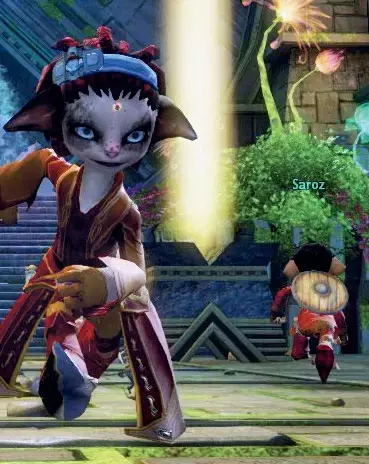
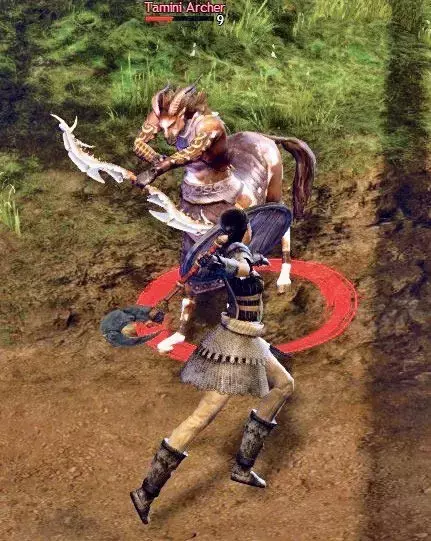
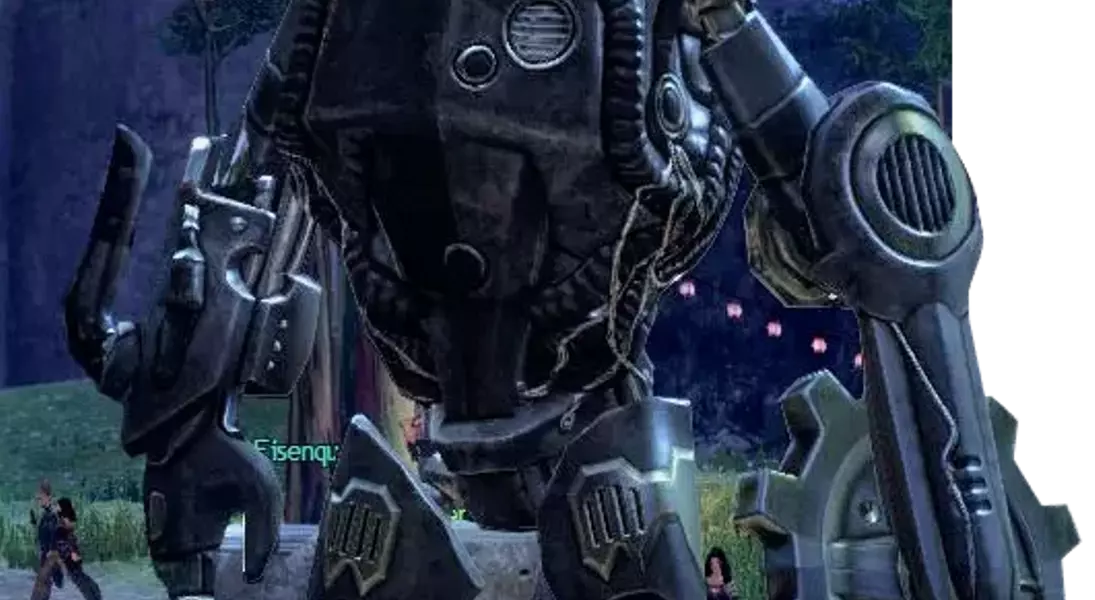
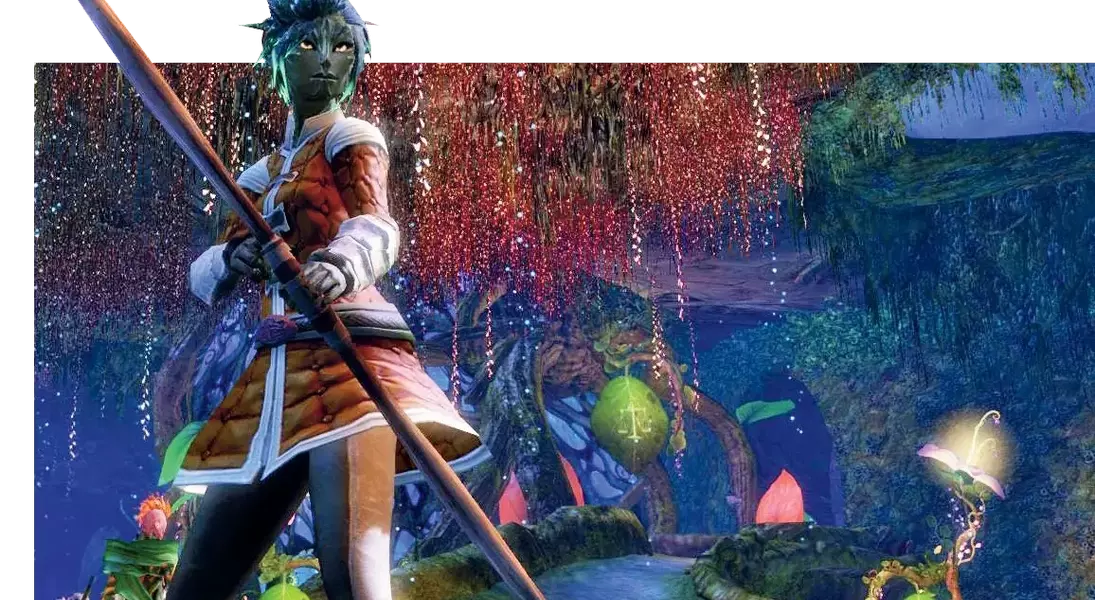
The world of Tyria, crafted by ArenaNet, was brought to life with five distinct races, each possessing a rich backstory and unique starting experience. From the plains of Queensdale, plagued by centaur warbands, to the mystical jungles inhabited by the technologically advanced Asura, and the majestic Sylvari born from a colossal tree, players embarked on personal journeys intertwined with the overarching narrative of defeating the Elder Dragon Zhaitan. The Norn, a race valuing individual glory, found themselves in a frost-laden exile, while the Charr, former antagonists, navigated their warrior culture within the transformed Ashford.
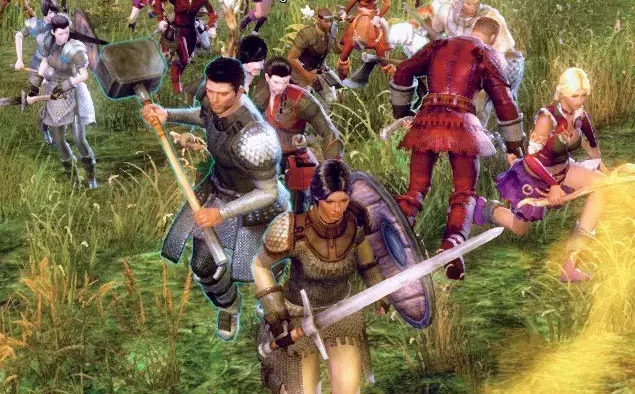
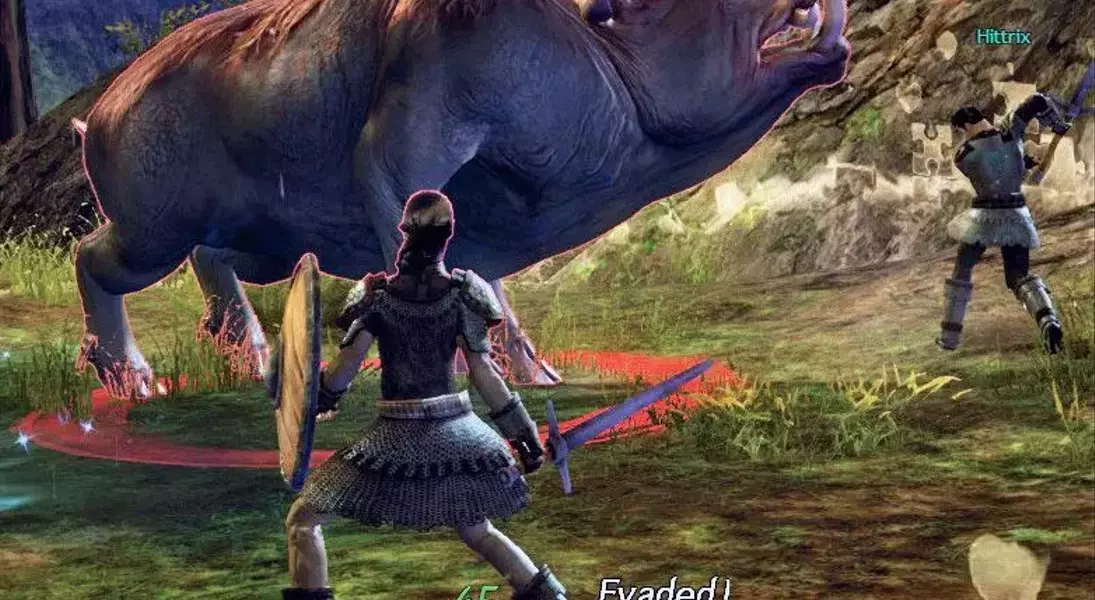
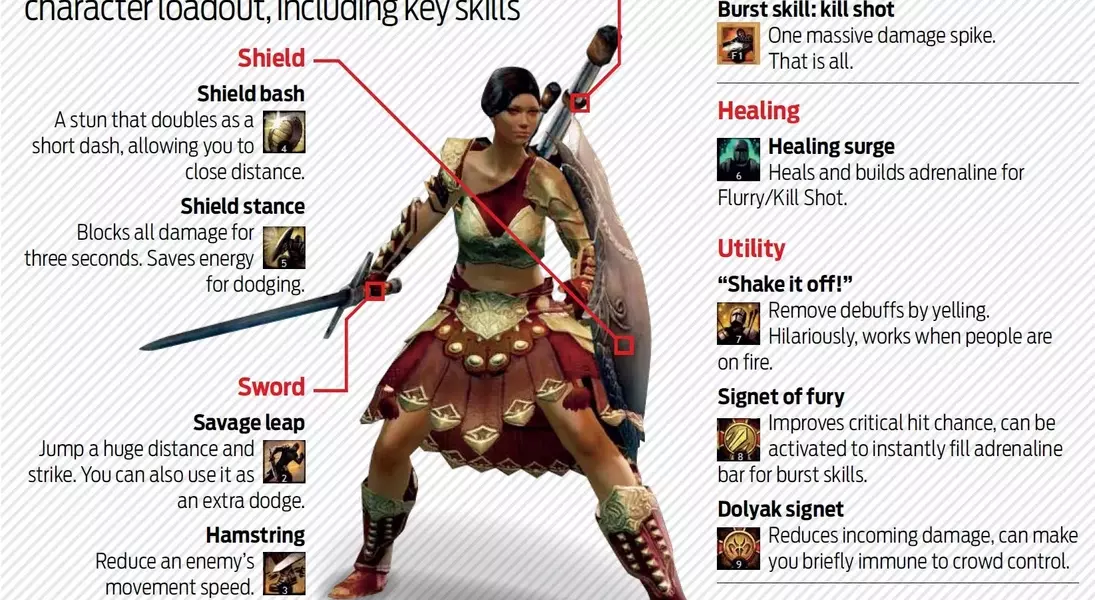
Combat in Guild Wars 2 was a revelation, emphasizing active engagement over static rotations. Players were encouraged to dodge, block, and improvise, responding dynamically to enemy attacks rather than relying on gear scores or pre-determined roles. This approach was particularly evident in dungeons like the Ascalonian Catacombs, where strategic positioning and quick reflexes trumped brute force. The game's dynamic event system further enhanced this sense of continuous adventure, guiding players through the world with spontaneous quests and large-scale cooperative battles that scaled with player involvement. The seamless integration of players of varying levels, with higher-level characters downscaled to balance encounters, ensured that every participant could contribute meaningfully.
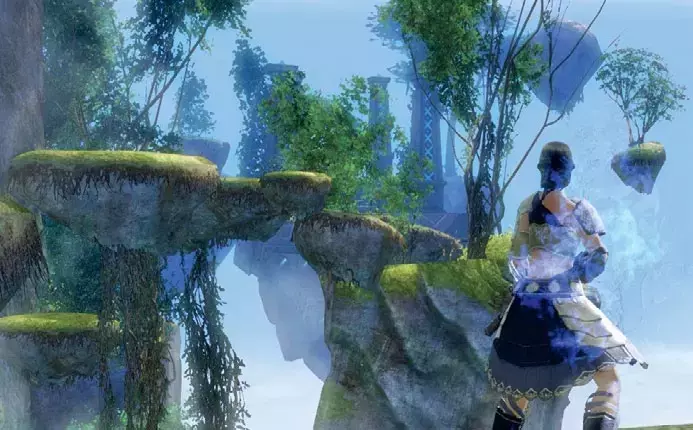
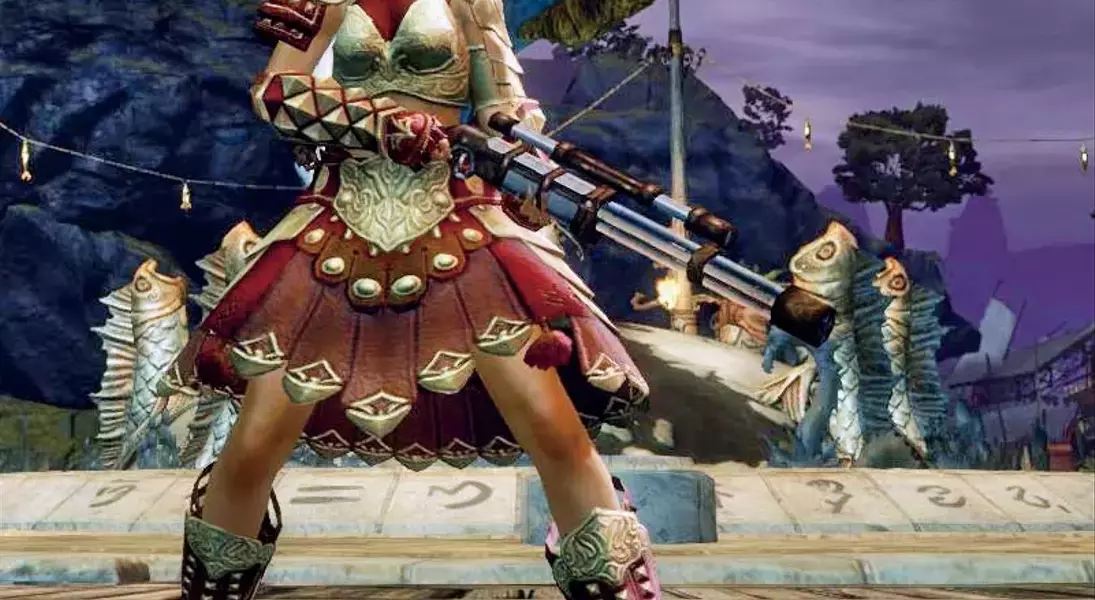
Beyond combat, Tyria rewarded exploration handsomely. Lion's Arch, a pirate city ingeniously constructed from repurposed ships, and the steampunk-infused Charr homelands showcased the world's stunning design. Discovering hidden vistas, engaging in intricate jumping puzzles, and unraveling secret adventures yielded not only experience but also a deeper appreciation for the meticulously crafted environments. This commitment to player agency and continuous discovery underscored ArenaNet's philosophy: a game that respected players' time and intelligence, offering diverse paths to progression without forcing a grind. While launch-day issues such as server overflows and minor technical glitches existed, the game's fundamental design principles promised a future where MMORPGs could be more generous, varied, and respectful of their players' journeys.
Guild Wars 2, in its groundbreaking design, presented a powerful challenge to the traditional MMORPG paradigm. By removing the subscription fee and deconstructing rigid class roles, it liberated players from the "treadmill" mentality, fostering a fluid and cooperative gaming experience. This shift encouraged a more intuitive approach to combat, where active engagement and adaptability were key, rather than relying on statistical superiority or predetermined team compositions. The game's vibrant world, filled with dynamic events and hidden wonders, invited exploration and organic discovery, valuing a player's initiative over rote task completion. Ultimately, Guild Wars 2's enduring impact lies in its subtle yet profound redefinition of player-game interaction, championing generosity, variety, and respect for the player's intelligence and time—a standard against which future online worlds would inevitably be measured.
