
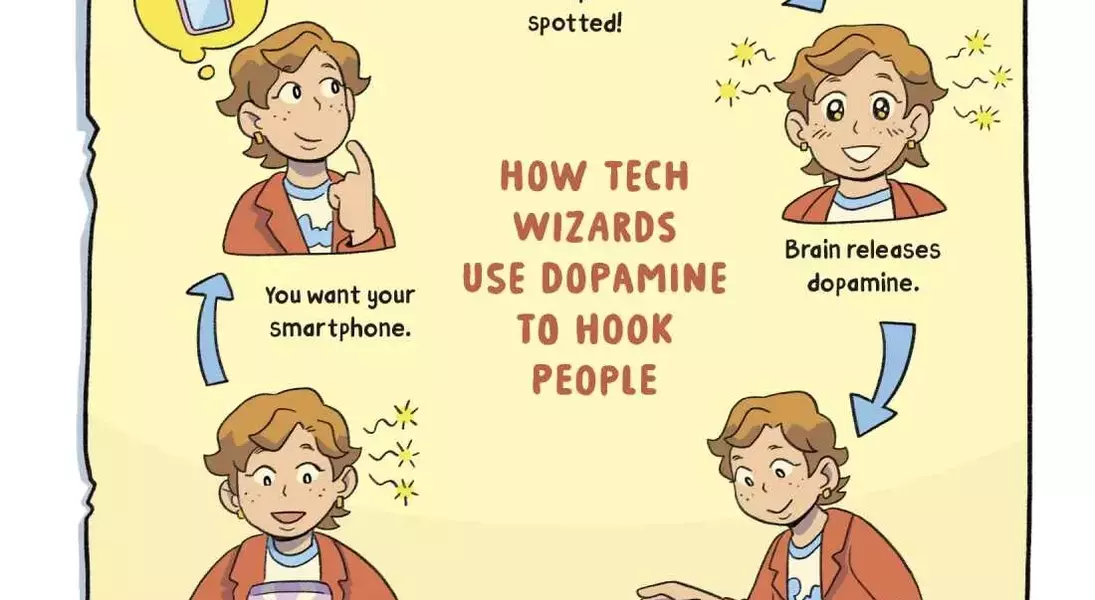

In a compelling follow-up to his influential work, "The Anxious Generation," social psychologist Jonathan Haidt, in collaboration with science journalist Catherine Price and graphic novelist Cynthia Yuan Cheng, has unveiled "The Amazing Generation." This new publication is a graphic novel specifically designed for a younger audience, aiming to guide children and teenagers toward a more balanced engagement with technology. It underscores the profound impact of smartphones and social media on the mental well-being of young individuals, presenting an allegorical narrative that critiques the pervasive nature of digital devices and offers a vision for reclaiming real-world experiences. The book blends informative segments with a fictional story, urging critical reflection on the role of technology in daily life.
Haidt's original book, "The Anxious Generation," sparked considerable debate by asserting that the widespread adoption of smartphones and social media has fundamentally altered young people's brains, contributing to a burgeoning mental health crisis. While some critics have questioned the direct causal link, pointing to other potential factors influencing youth mental health, the book's influence has been undeniable. It has catalyzed a movement that has already seen legislative action in various U.S. states, imposing restrictions on phone use in educational settings. "The Amazing Generation" extends this conversation to children, illustrating the potential pitfalls of over-reliance on screens.
The graphic novel employs a narrative strategy that begins with a metaphorical prelude. This segment describes "greedy" wizards who distribute "stones" promising joy through connection and entertainment. However, these stones eventually lead users to a state of unhappiness and detachment. A group of "rebels" emerges, recognizing the illusion of happiness offered by these glittering devices and uniting to break free from their digital confinement. This allegory, though straightforward, resonates with the challenges many parents face in moderating their children's technology use.
For parents, the struggle with technology often manifests as daily disagreements over screen time. The addictive nature of modern digital platforms, coupled with a lack of established societal norms and regulations, has significantly shaped how individuals, especially young people, interact with these devices. This has, in many cases, negatively affected essential aspects of development, including learning and social interaction. While technology undeniably offers benefits, the imbalance between its utility and its potential for harm is a growing concern for families nationwide.
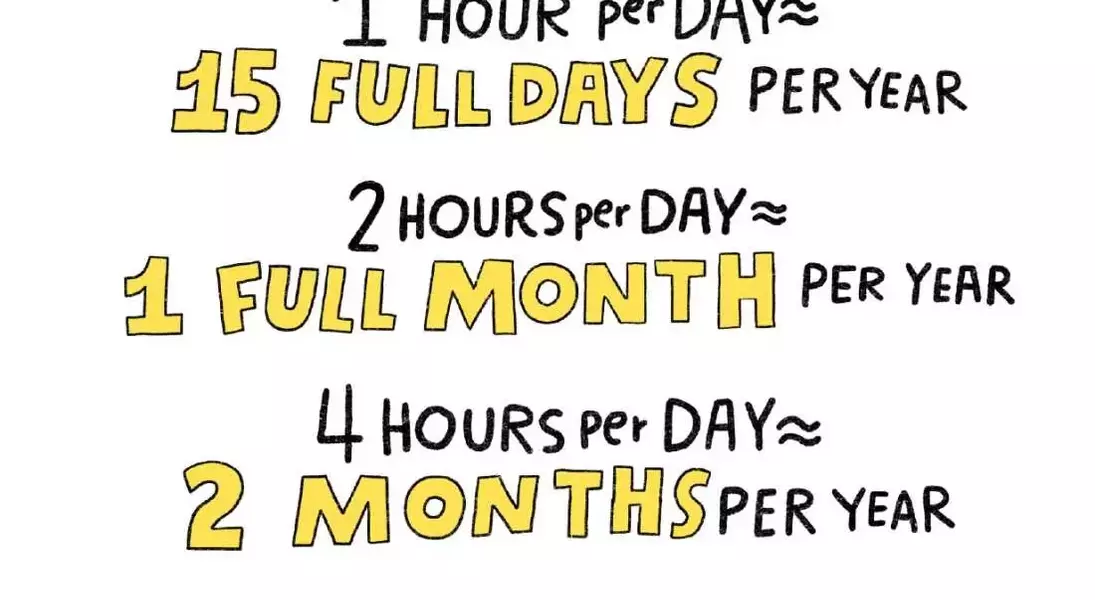
The book is structured to provide both informational content and an engaging fictional story. Prose-heavy sections delve into topics such as the evolution of media, the intricacies of the "attention economy," and legislative responses to technology's impact. These sections are enriched with infographics, including a "Screen Time Calculator That You Can Use to Freak People Out," which starkly illustrates the cumulative hours spent on devices. This practical tool highlights how even a small amount of daily screen time translates into significant chunks of a year, serving as a powerful reminder for both children and adults.
The fictional graphic novel portion follows the lives of six young individuals, exploring their relationships with each other and with technology. The narrative, while direct in its message, offers relatable scenarios. One poignant example features Alex, a heavy social media user, who joins his phone-free friend, Jax, at a skate park. While Jax actively practices and falls, Alex remains absorbed in his phone, passively watching skating tutorials and championship highlights. This contrast vividly portrays the trade-off between passive digital consumption and active real-world engagement, suggesting that a significant imbalance often exists.
While the digital world provides incredible access to information and entertainment, allowing for activities like learning to cook from online videos or exploring interviews with favorite authors, it's crucial to acknowledge the experiential losses that occur when real-life experimentation is replaced by passive observation. "The Amazing Generation" serves as a vital resource for encouraging young people to critically evaluate the devices that permeate their daily existence. Although its message is clear and direct, it offers a much-needed counter-narrative to the constant allure of the online world, prompting a necessary reevaluation of digital habits and fostering a spirit of active engagement with the world beyond screens.
