The eagerly anticipated debut of Grand Theft Auto 6 has sparked varied responses among players, who are captivated by the expansive and dynamic Vice City, but left underwhelmed by the familiar format of its narrative missions. The game’s sprawling open world is lauded for its potential for exploration and diverse activities, including eating, drinking, sleeping, recreation, skydiving, dirt bike racing, and illicit store robberies, suggesting a highly immersive, almost life-simulation experience. However, the mission segments showcased have prompted a sense of déjà vu, with critics noting a persistent reliance on established formulas that may hinder storytelling innovation.
This dichotomy between the enthralling open world and the formulaic mission design highlights a critical point of discussion for the game's future. The vibrant portrayal of Vice City and its myriad interactive elements offer a rich tapestry for players to engage with, promising an unprecedented level of freedom and personal agency within the game’s universe. Yet, the recurring structure of missions—often involving initial dialogue followed by intense combat sequences—has led to concerns that the narrative experience may lack the depth and variety needed to complement such an ambitious setting, drawing comparisons to earlier titles in a less favorable light.
Vice City's Allure and Engaging Open World Activities
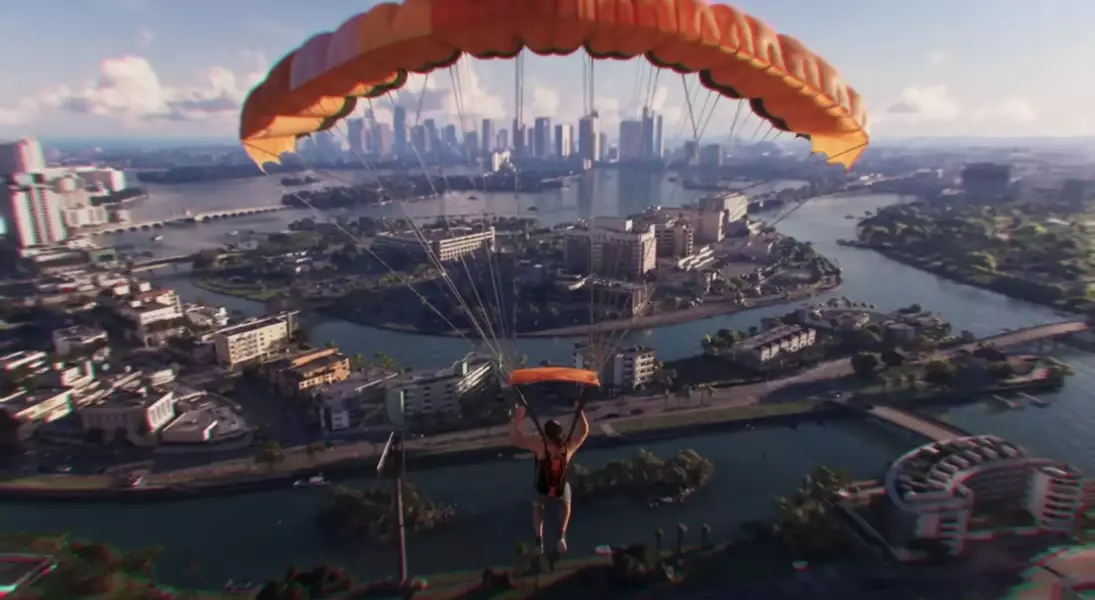
The latest showcase for Grand Theft Auto 6 has left many thoroughly impressed with the depiction of Vice City, projecting it as an open world that players will eagerly inhabit. Rockstar Games appears to have meticulously crafted an environment brimming with intricate details and engaging interactions. This world is envisioned not merely as a backdrop, but as a living, breathing entity where everyday activities blend seamlessly with more adventurous pursuits. Players can expect a range of experiences from routine tasks like dining and resting, to recreational endeavors such as skydiving and off-road racing, and even criminal acts like store heists.
The emphasis on these "human touches" suggests that Grand Theft Auto 6 could transcend traditional gaming, verging on a life simulation. This immersive approach is designed to draw players deeply into its universe, offering a sense of belonging and consequence within Vice City. The rich diversity of activities promises that players will not only progress through a story but will also carve out their own existence within the game, making each playthrough unique and personal. The early impressions hint at an open world that sets a new standard for player engagement and environmental depth in the series.
Repetitive Mission Structures and Narrative Constraints
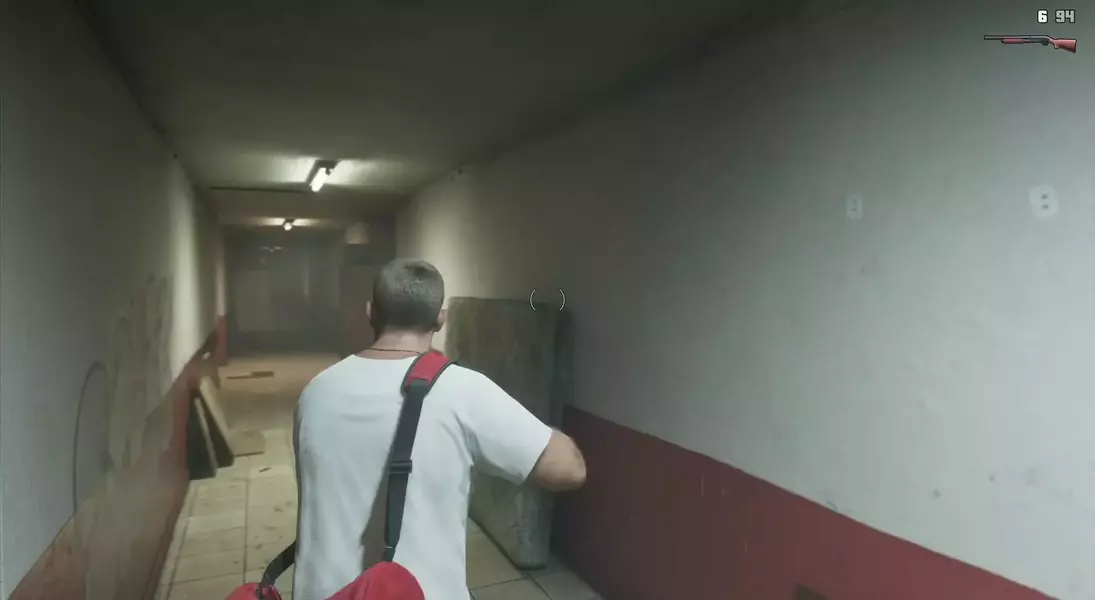
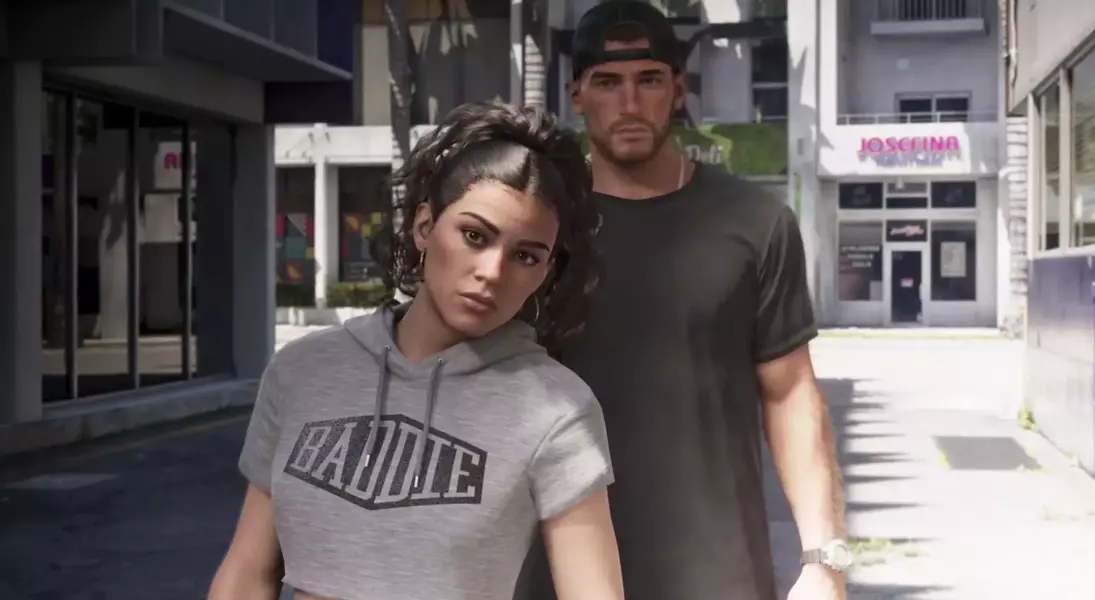
Despite the captivating allure of Vice City, the presented story missions of Grand Theft Auto 6 reveal a pattern that feels all too familiar and, for some, stagnant. The mission structure, as demonstrated, frequently involves an initial conversation, a drive, and then escalates into a combat scenario, such as a shootout. This sequence is exemplified by scenes like Jason and Lucia's drug deal gone awry due to police intervention, and a later security detail mission that inevitably descends into a gunfight with professional assassins. This predictability raises concerns about the narrative's potential for genuine surprise and emotional impact.
This recurring design choice mirrors a long-standing characteristic of Rockstar’s previous titles, which, while iconic, has sometimes led to narrative fatigue. The hope among fans is that the full game will introduce more varied objectives and quieter moments, focusing on choices and investigative elements rather than a relentless string of firefights. Diversifying mission types could prevent the story from becoming monotonous and allow the explosive action sequences to feel more impactful when they do occur, creating a more dynamic and less predictable narrative journey for players.
