
Grand Theft Auto 6, with its vibrant portrayal of Vice City and its intriguing dual protagonists, appears to be charting a new course for Rockstar's iconic series. Early glimpses, comprising about 30 minutes of official footage, suggest a game deeply rooted in an aesthetic of alluring excess, characterized by bustling nightclubs, elaborate heists, a palette of pastel hues, luxurious vehicles, and action sequences even more explosive than those in GTA 5. This upcoming title is shaping up to be a defining achievement for the developer, yet many of its distinguishing features recall a classic expansion from the franchise's past.
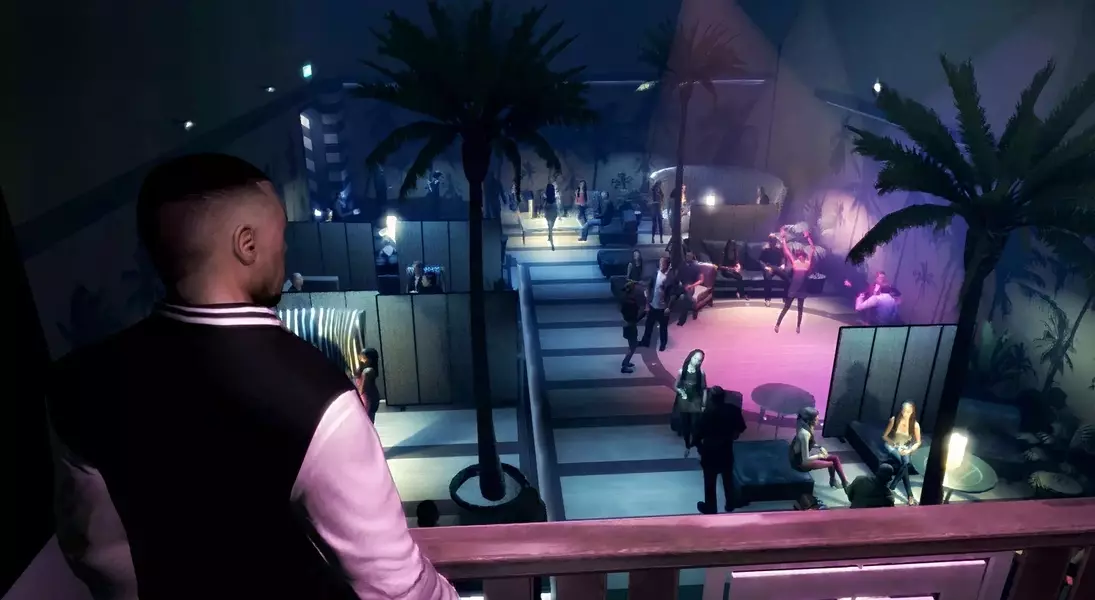
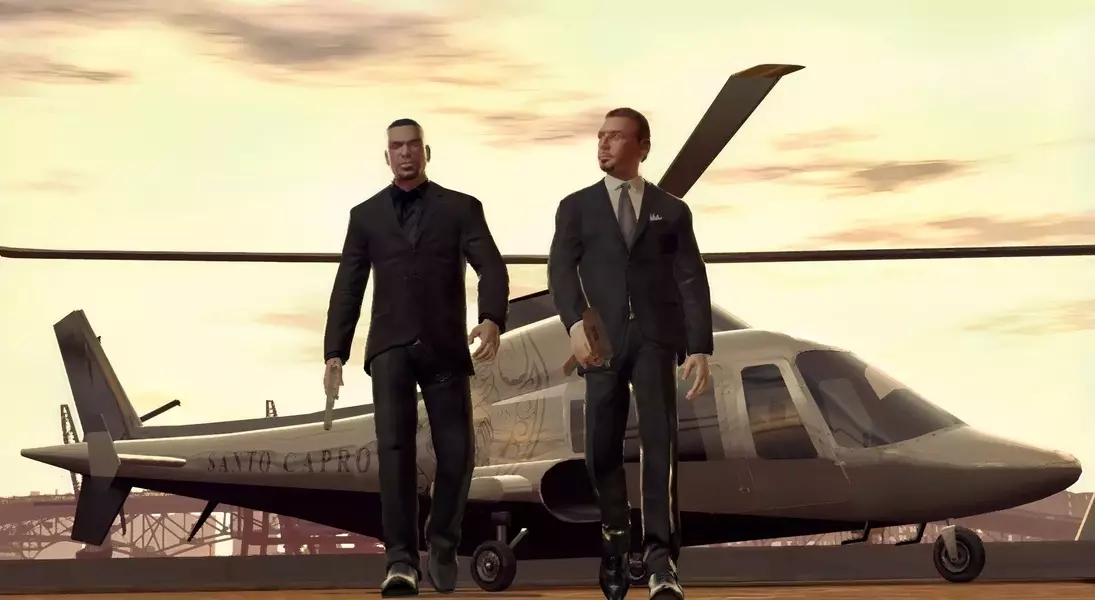
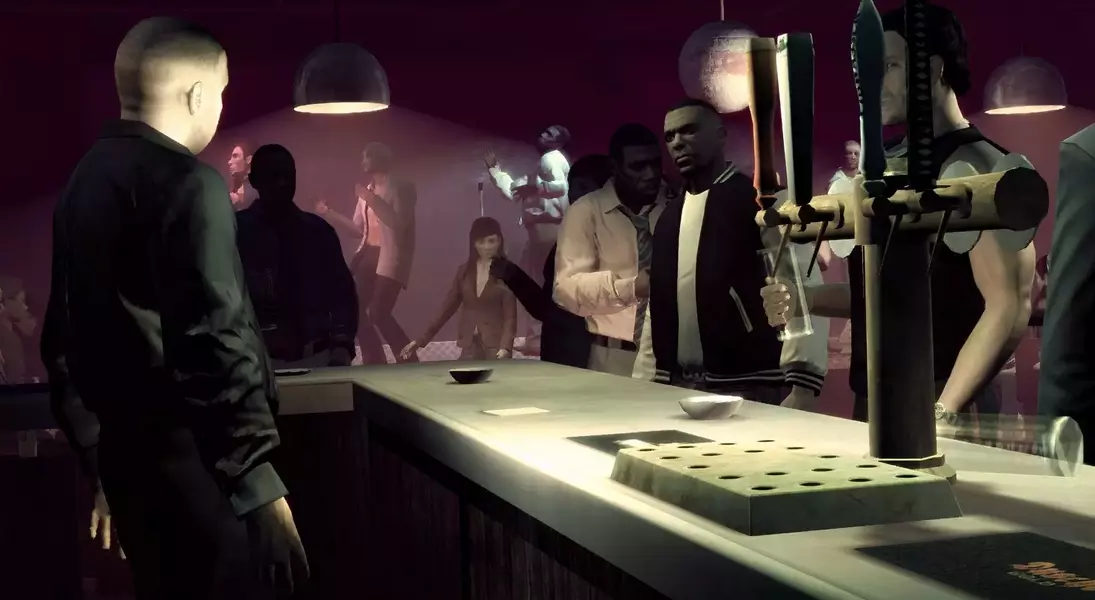
A striking parallel can be drawn to "The Ballad of Gay Tony," the second and final DLC for GTA 4, released in 2009. This expansion shifted GTA 4's gritty realism towards a more extravagant vision of Liberty City, filled with pulsating nightclubs, lavish parties, high-end automobiles, and increasingly outrageous criminal exploits. The narrative of "The Ballad of Gay Tony," centered around Luis Lopez and his boss Anthony "Gay Tony" Prince as they navigate mounting debts and criminal entanglements, mirrors the predicament of GTA 6's protagonists, Jason and Lucia, as they build a life through increasingly perilous means. Both stories are deeply embedded in the allure of criminal indulgence and the inherent dangers it brings. The similarities extend to the games' central themes: "The Ballad of Gay Tony" integrated its nightlife and music into the core experience, positioning missions within the criminal underworld just beyond the city's glamorous facade. GTA 6 appears to be constructing an entire open world around this same fusion of glitz and grit, from its neon-lit clubs and lively beaches to its affluent socialites and burgeoning influencers, all set against a backdrop of luxury vehicles that evoke Tony's world.
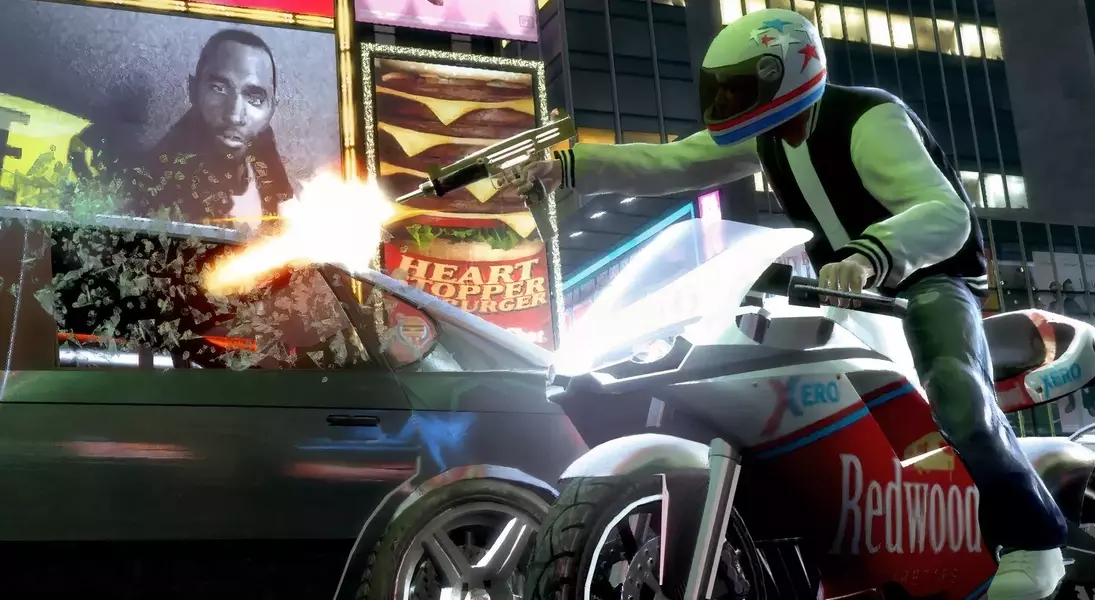
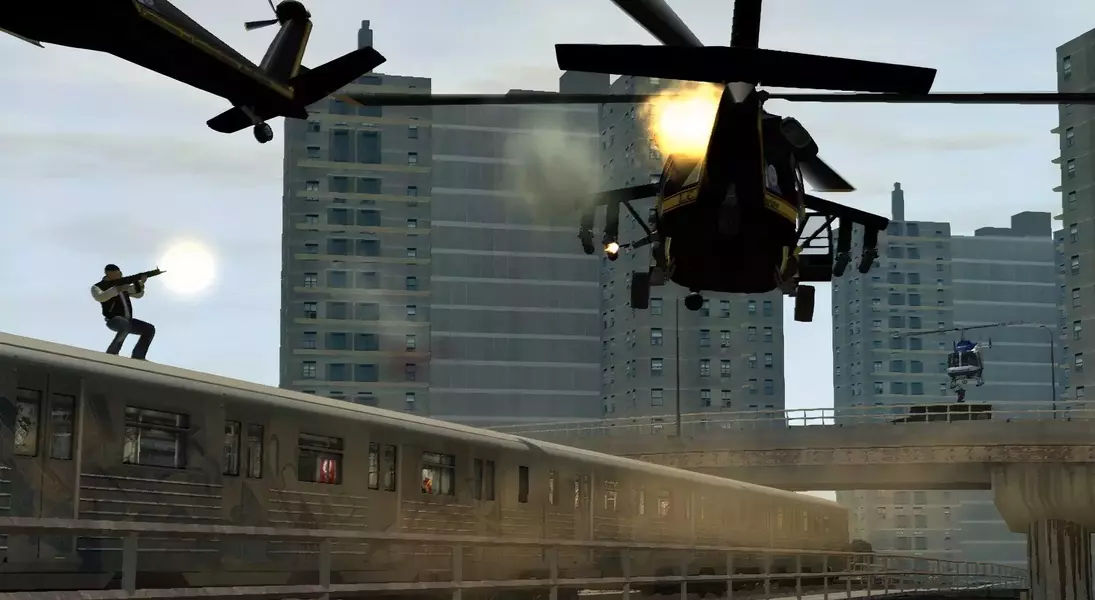
Furthermore, the spirit of chaos and over-the-top action that defined "The Ballad of Gay Tony" seems to be a foundational element of GTA 6. "Gay Tony's" missions frequently escalated into intense shootouts, high-speed chases, and spectacular set pieces, making GTA 4's grounded crime drama seem almost subdued in comparison. Memorable missions, such as sky-lifting a subway car or stealing and then destroying a superyacht with an attack chopper, epitomize the kind of explosive absurdity that could seamlessly fit into GTA 6. This heritage is evident in GTA 6's trailers, which showcase action film-esque sequences, like a truck dragging a bank safe through the streets and chaotic pursuits involving grenade launchers. Even the distinctive hot-pink mission markers in GTA 6's gameplay footage appear to be a direct visual inheritance from "Gay Tony," a bold aesthetic choice that ties into Leonida's vibrant nightclubs, sun-drenched pastels, and unrestrained extravagance. This is not merely accidental; it reflects a design philosophy that Rockstar refined over a decade ago, now resurrected to dominate an expansive new state. "The Ballad of Gay Tony" provided a glimpse into what Grand Theft Auto could become when it fully embraced its inherent absurdity. If GTA 6 intends to reclaim that bold, unreservedly thrilling edge, as its trailers indicate, Vice City is the perfect stage for its triumphant return.
The return to Vice City in Grand Theft Auto 6 offers a unique opportunity for players to immerse themselves in a world that, while fictional, resonates with universal themes of ambition, consequence, and the pursuit of a desired lifestyle. As we navigate the city's complex social landscapes and engage in thrilling narratives, the game serves as a dynamic canvas for exploring the allure and pitfalls of extravagant living. Ultimately, the experience encourages us to reflect on our own choices and the intricate balance between desire and responsibility, fostering a deeper understanding of the narratives that shape both virtual and real-world experiences.