
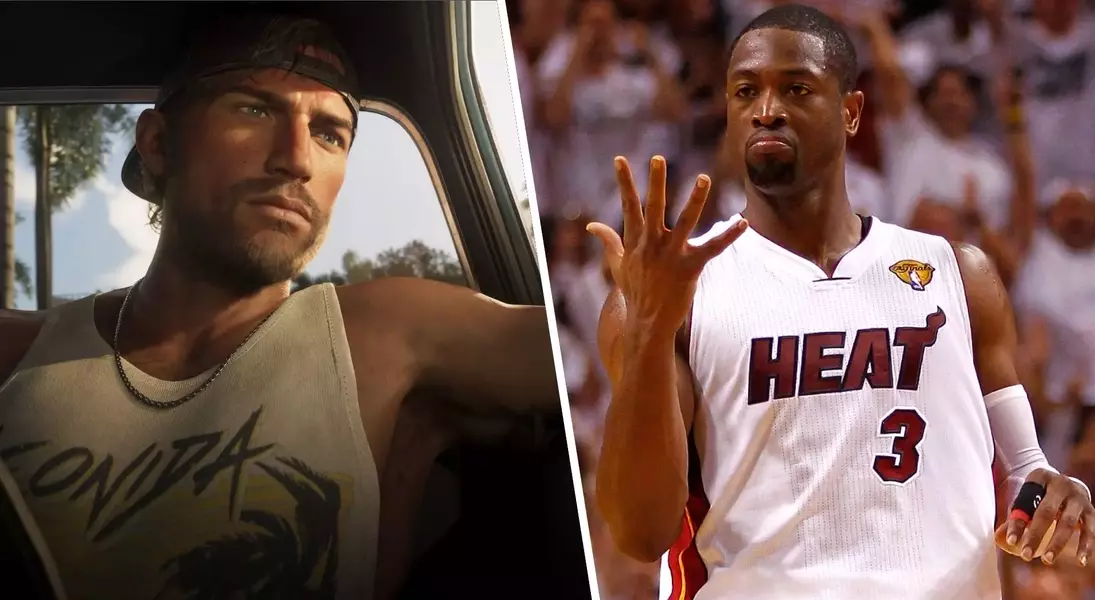


A recent promotional effort for the highly anticipated game, Grand Theft Auto 6, has unexpectedly highlighted a significant cultural disparity among the editorial team at PC Gamer. What began as a routine news share about a collaboration between Rockstar Games and the Miami Heat, an NBA team, quickly spiraled into an amusing revelation: a notable number of UK-based editors, and even one US-based colleague, were entirely unaware of the basketball franchise's existence. This incident sparked a lively internal debate regarding the global recognition of American sports and the efficacy of localized marketing strategies for international gaming audiences.
On a Friday morning, Cameron Bald, PC Gamer's audience development manager, circulated a tweet detailing a "Night in Vice City" cross-promotion between the Miami Heat and Rockstar Games, where the team would temporarily adopt a "Vice City" theme. This move, intended to leverage the fictional city's real-world inspiration, was met with initial skepticism from Glasgow-based online editor Fraser Brown. His query, "Who the hell doesn't know GTA is coming?" inadvertently set the stage for the day's comedic unraveling. Bald countered, suggesting the campaign targeted "super-casual types" who might need an extra push to re-engage with gaming for GTA 6. Lead SEO editor Lauren Morton likened the strategy to pervasive advertising, aiming to saturate the market rather than subtly persuade.
Fraser remained unconvinced, dismissing the basketball stunt as "insanely niche" compared to a Netflix trailer. This prompted the author to ponder how a multi-billion dollar NBA franchise with championship titles and past superstar signings could be considered niche. The ensuing exchange revealed Fraser's admission of needing to Google the Miami Heat, solidifying him as the first "Brit Who Doesn't Know Ball." The conversation escalated with PC Gaming Show editorial director Jake Tucker attempting to draw parallels with British football clubs, a comparison that failed to resonate with Fraser, who also confessed his disinterest in soccer. Lauren Morton astutely pointed out Fraser's bias, noting his dismissal of sports marketing due to his personal lack of interest in the genre. Yet, Fraser stood his ground, questioning the global appeal of a single local sports team in one country, even as the author cited the international prevalence of Chicago Bulls merchandise as a counterpoint, humorously reinforcing Chicago's global cultural impact.
Later in the day, during a lunch break spent playing Dark Souls 2, the author brought up the ongoing "Miami Heat" discussion. To their astonishment, senior guides writer Sean Martin, also English, sheepishly asked, "What is the Miami Heat?" This marked the second UK editor to admit unfamiliarity. Shortly thereafter, former PC Gamer editor-in-chief Samuel Roberts, an Englishman now working freelance, joined the chat, confessing he had only learned about the Miami Heat hours prior, not through active engagement but a "hazy osmosis" from American podcasts. He, like Fraser, was familiar with the Chicago Bulls. The tally of UK editors unaware of the Miami Heat steadily climbed. The biggest surprise, however, came from senior editor Christopher Livingston, a lifelong US resident who had even lived in Orlando, Florida for five years, yet admitted he too probably couldn't have identified the Heat before that morning. This collective lack of recognition, particularly from a US colleague, left the author bewildered, reflecting on whether this was how their UK counterparts felt when confronted with uniquely British cultural references.
This humorous incident underscores the often-unseen cultural divides that can exist even within a globally connected team. What might seem universally known in one region can be entirely obscure in another, highlighting the challenges and nuances of international marketing and the fascinating quirks of individual knowledge bases.
