In the rapidly evolving landscape of artificial intelligence, a new contender has emerged: Grok Imagine, a creation from Elon Musk's xAI venture. This innovative tool, recently made available to its premium subscribers, promises to revolutionize image and video generation. However, a closer examination reveals that while it demonstrates impressive speed, its overall performance in producing high-quality, realistic visual content, especially video with synchronized audio, still trails behind established industry leaders such as Google's Veo 3 and OpenAI's Sora. The current iteration of Grok Imagine appears to find its stride primarily in the realm of generating humorous memes and stylized anime content, indicating a clear developmental gap when juxtaposed with its more sophisticated counterparts.
Detailed Performance Evaluation of Grok Imagine Against Industry Benchmarks
Over a recent weekend, xAI, spearheaded by the visionary Elon Musk, officially rolled out Grok Imagine to its exclusive clientele. Accessible through the Grok applications on both iOS and Android platforms, this new artificial intelligence tool specializes in the creation of visual content, spanning static images to dynamic videos. Despite the initial buzz surrounding its release, fueled in part by Musk's own enthusiastic endorsements on X (formerly Twitter), a comprehensive evaluation of Grok Imagine's capabilities indicates a notable disparity when pitted against leading generative AI models like Google's advanced Veo 3 and OpenAI's groundbreaking Sora. While the technology of AI-driven video content is burgeoning, promising new avenues for artistic expression and cost efficiencies in production, it also carries the inherent risks of misuse, such as the generation of deceptive deepfakes or the spread of misinformation.
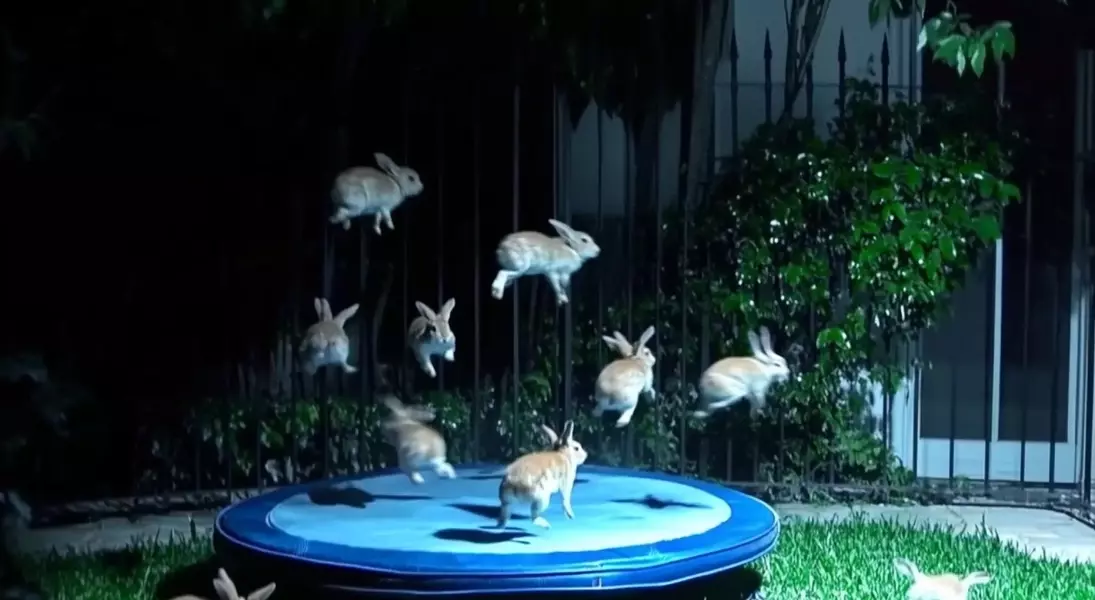
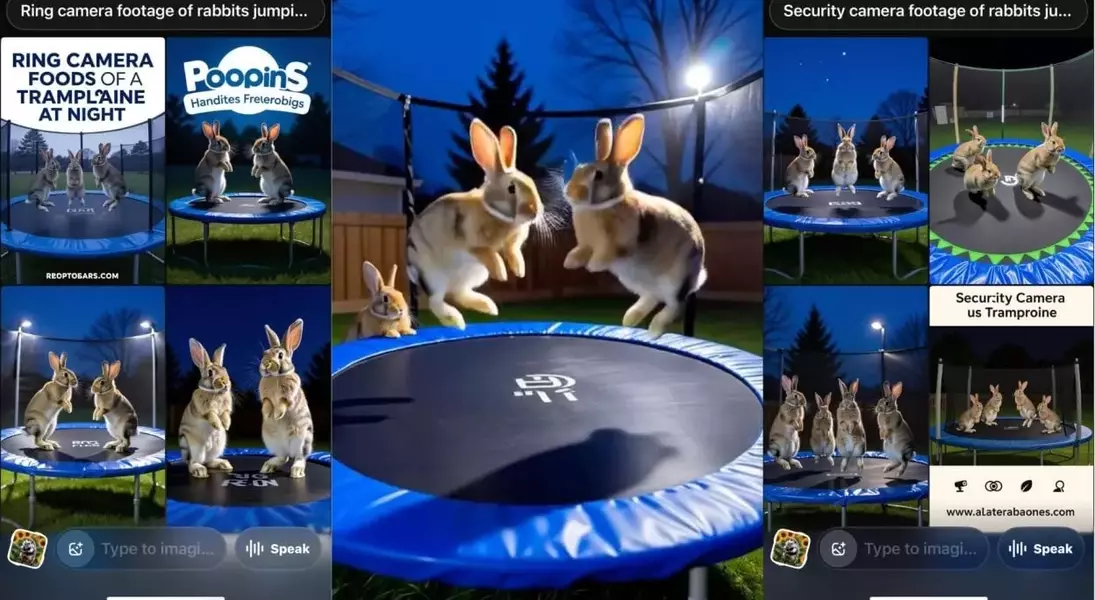
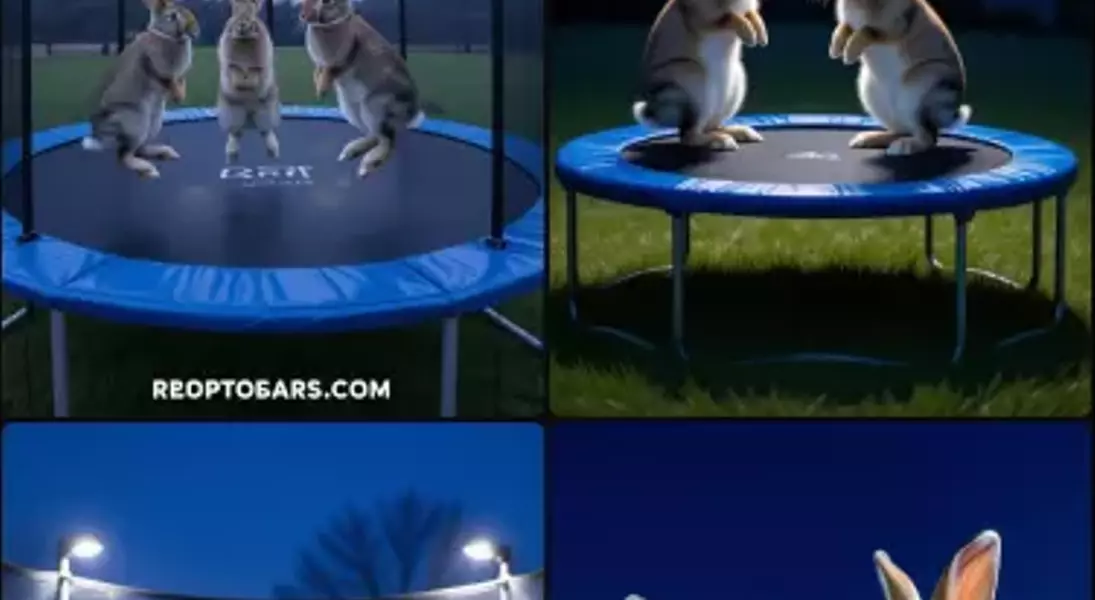
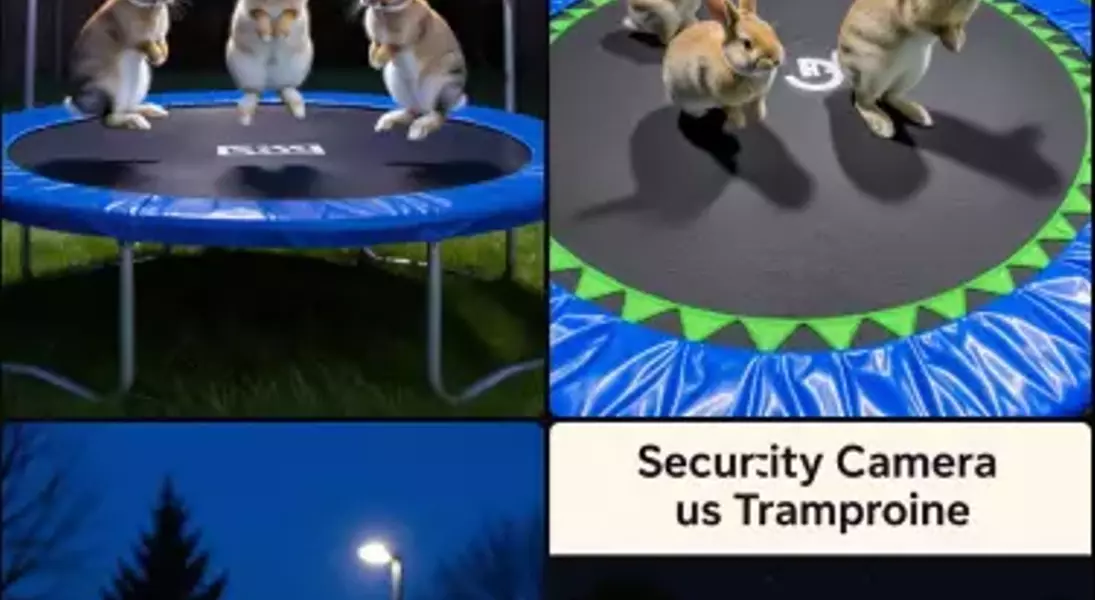
To rigorously assess Grok Imagine's standing within this competitive domain, an experiment was conducted using a straightforward, yet illustrative, prompt: “Security camera footage of rabbits jumping on a trampoline at night.” This specific scenario was then applied across Grok Imagine, Google Veo 3, Sora, and Midjourney, allowing for a direct comparison of their respective outputs. It is crucial to note a fundamental architectural difference: Veo 3 and Sora boast true text-to-video generation, where a textual description alone can conjure a complete video sequence. In contrast, Grok Imagine, much like Midjourney, operates primarily as a text-to-image generator, requiring users to first produce an image, which can then be animated into a brief video clip. This distinction inherently places Grok Imagine at a disadvantage from the outset.
The images generated by Grok Imagine in response to the test prompt were, frankly, less than impressive. From a selection of outputs, the most coherent image was chosen for animation, resulting in a video that could, at best, be described as mediocre. This outcome starkly contrasts with the superior quality produced by Google Veo 3 and Sora, both of which rendered far more lifelike and engaging video content from the identical prompt. Even Midjourney, despite requiring multiple attempts, managed to deliver images and subsequent videos that more effectively captured the intended grainy aesthetic of surveillance footage.
Furthermore, Grok Imagine currently suffers from a significant limitation in its audio capabilities. While Google Veo 3 can seamlessly integrate sound effects and coherent dialogue synchronized with its video output, Grok Imagine's audio contributions are largely restricted to rudimentary sound effects and unintelligible vocalizations. Although Musk has optimistically likened Grok Imagine to a modern rendition of the Vine app, emphasizing its optimization for generating highly shareable content, particularly memes and anime-style visuals, its utility beyond these specific niches remains questionable. The most significant advantage Grok Imagine currently holds is its remarkable generation speed, which consistently surpasses that of its competitors for both image and video creation. xAI has been contacted for further comment regarding these observations, and any future updates will be incorporated into this analysis.
The advent of sophisticated artificial intelligence tools like Grok Imagine, Google's Veo 3, and OpenAI's Sora undeniably signals a transformative era in digital content creation. From a discerning observer's perspective, this progression is both awe-inspiring and fraught with complexities. While the potential for artists and creators to manifest imaginative concepts with unprecedented ease is immense, liberating them from traditional constraints of time and resources, the ethical ramifications cannot be overstated. The capacity to generate hyper-realistic, yet entirely fabricated, visual and auditory content underscores an urgent need for robust frameworks concerning digital provenance and authenticity. As these technologies continue their rapid advancement, the onus is on developers, policymakers, and users alike to collaboratively navigate this landscape. We must champion responsible innovation, fostering a future where the creative liberation offered by AI is balanced by stringent safeguards against its potential for deception and misinformation. This ongoing evolution demands not just technological prowess, but also profound ethical consideration and a steadfast commitment to digital integrity.
