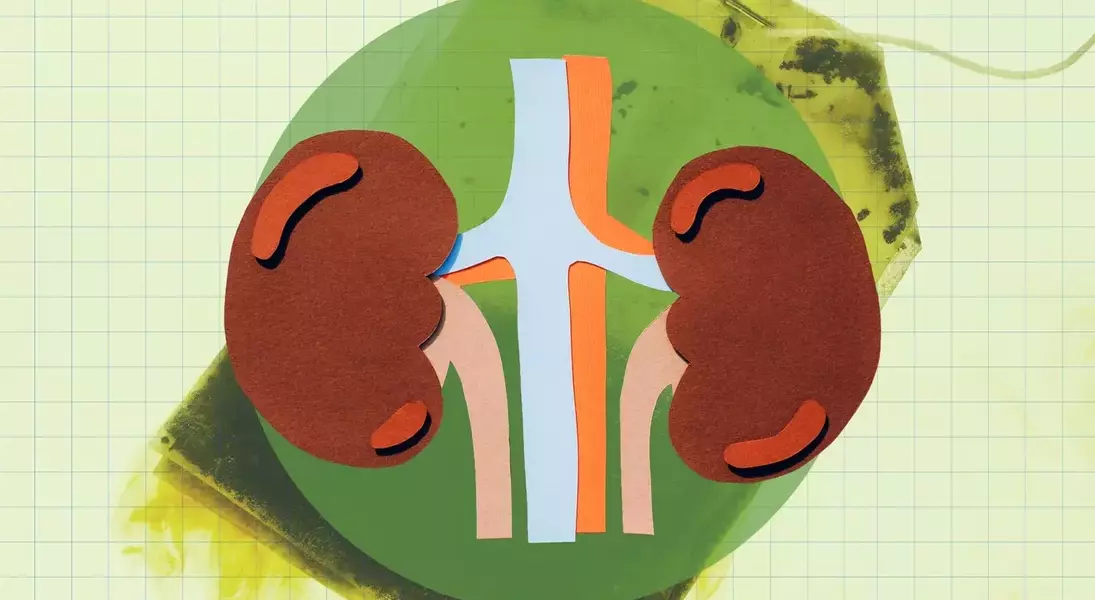
Green tea emerges as a highly recommended beverage for bolstering kidney function, according to registered dietitians. Its benefits stem from a rich antioxidant profile, particularly epigallocatechin-3-gallate (EGCG), which plays a crucial role in preventing kidney stones and supporting overall urinary tract health. Maintaining adequate hydration is paramount for kidney well-being, enabling these vital organs to effectively filter waste, regulate blood pressure, and sustain electrolyte balance. While water remains an essential choice, green tea offers an appealing and beneficial alternative, contributing significantly to daily fluid intake and offering protective properties against various kidney ailments.
The kidneys, diligently operating around the clock, process approximately 150 quarts of blood daily. This intricate process involves filtering out metabolic waste products, maintaining the delicate balance of electrolytes, stabilizing blood pressure, facilitating red blood cell production, and supporting robust bone health. Proper hydration is the cornerstone of optimal kidney performance. Green tea enhances this foundational requirement not only by increasing fluid intake but also by delivering a powerful dose of antioxidants. These antioxidants, especially EGCG, have shown promising results in research, suggesting a protective effect against conditions such as chronic kidney disease and acute kidney injury.
Brigitte Zeitlin, a respected dietitian, emphasizes that green tea can be an integral component of a kidney-friendly diet. Its ability to combat kidney stone formation and improve urinary tract health makes it a valuable addition. Jen Hernandez, another expert focusing on kidney health, highlights green tea as an excellent way to diversify fluid intake beyond plain water, especially for individuals who prefer flavored beverages. The suggested intake is 2 to 4 cups daily, ideally unsweetened, as sweetened versions may negate some of the health benefits. Unsweetened tea consumption has been linked to a reduced risk of chronic kidney disease, contrasting with the findings for sweetened teas.
For those seeking to incorporate green tea into their routine, replacing coffee with green tea is a viable option due to its lower caffeine content. An 8-ounce cup of green tea contains roughly 20 to 50 milligrams of caffeine, significantly less than a similar serving of regular coffee. Matcha, a finely ground green tea, is particularly rich in EGCG and offers potent anti-inflammatory properties, further enhancing its protective effects on kidney health. However, caution is advised for certain groups. Individuals with existing chronic kidney disease or other kidney conditions should consult their healthcare provider before making green tea a regular part of their diet. The current body of research, predominantly from in-vitro and animal studies, is promising but warrants more human trials to establish definitive recommendations for those with kidney disease. Furthermore, anyone on daily medication should seek medical advice to preclude potential tea-drug interactions, as some herbal teas possess strong medicinal compounds.
It is crucial to approach claims of “detoxing” or “cleansing” the kidneys with skepticism. Such assertions often lack scientific backing and may involve ingredients that are harmful to individuals with kidney conditions. Green tea, while beneficial, is not a miracle cure for kidney disease. Its role is supportive, contributing to hydration and antioxidant intake. Therefore, integrate green tea into your diet thoughtfully, always prioritizing professional medical guidance, especially if you have underlying health issues.
