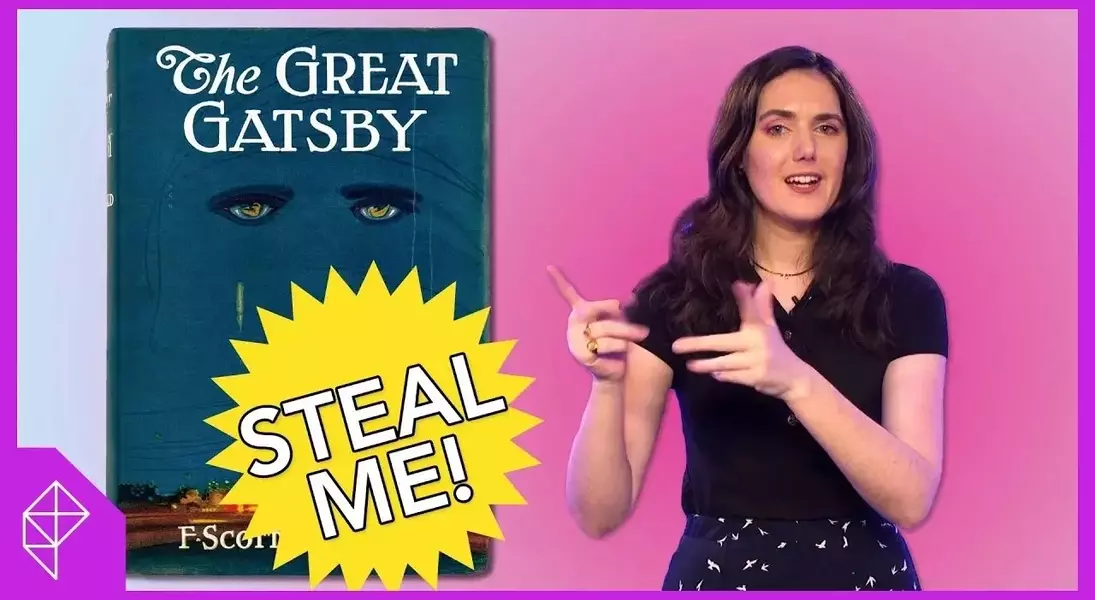
When F. Scott Fitzgerald's seminal work, 'The Great Gatsby,' transitioned into the public domain in January 2021, it catalyzed an innovative movement within the independent game development community. This shift prompted two forward-thinking developers to host a 'game jam' on itch.io, inviting creators to freely reinterpret and build upon the classic narrative without the constraints of copyright. This event highlighted a critical discussion: the profound impact of copyright and patent laws on the landscape of video game creation, and specifically, whose interests these legal frameworks ultimately serve. Simone de Rochefort’s analysis offers insight into the unique games that emerged from the 'Gatsby Jam' and presents the organizers' perspectives on intellectual property and the dissemination of creative concepts.
The 'Gatsby Jam' served as a practical demonstration of how public domain works can inspire fresh artistic endeavors, encouraging a proliferation of ideas previously restricted by legal protections. The participating developers were empowered to craft novel gaming experiences, transforming the iconic novel into diverse interactive forms, from narrative adventures to experimental mechanics. This initiative not only celebrated the newfound accessibility of a literary masterpiece but also underscored the potential for collaborative creativity when traditional barriers are removed, fostering a vibrant ecosystem of innovation.
The conversation surrounding the 'Gatsby Jam' extends beyond mere creative freedom, touching upon the broader implications for the video game industry. It prompts a re-evaluation of how intellectual property laws are currently structured and whether they optimally balance the rights of creators with the public's access to culture and the potential for new artistic interpretations. The event provided a compelling case study, illustrating that while copyright aims to protect original works, its expiration can unleash a wave of secondary creations, demonstrating a dynamic interplay between preservation and progress in the creative arts.
The evolution of copyright from safeguarding individual ownership to promoting collective cultural enrichment is a testament to the enduring power of stories and the human desire to reimagine them. By embracing the public domain, creators can push the boundaries of artistic expression, proving that true innovation often thrives in an environment of shared inspiration and open possibility. This continuous cycle of creation and reinterpretation enriches our cultural tapestry and fosters a more inclusive and dynamic creative future.
