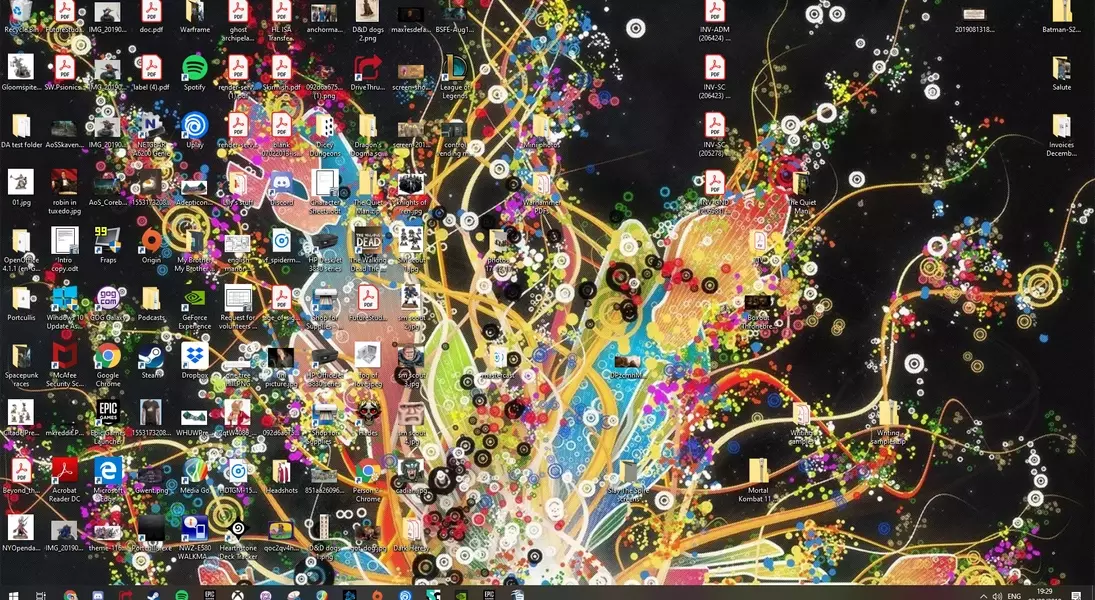
A recent poll conducted among PC Gamer's readership has unearthed a fascinating dichotomy in how individuals manage their digital workspaces. It appears that a substantial 84% of readers uphold what could be termed 'good desktop hygiene,' meticulously organizing their icons or opting for a completely clear screen. Conversely, a curious 16% choose to let their desktop icons and files accumulate without strict organization. This divergence raises questions about the psychological and practical impacts of different desktop management styles.
Unpacking the PC Gamer Desktop Survey Results
In the recent survey, PC Gamer asked its readership about their desktop organization habits. The findings indicate a strong preference for order among the majority. Roughly a third of respondents proudly belong to the 'zen club,' maintaining a completely pristine desktop with absolutely no visible icons. This group embodies the philosophy that a clear desktop contributes to a clear mind. The remaining majority of the 84% either keep a select few frequently used icons or diligently arrange them into specific folders and areas, demonstrating a conscious effort to manage their digital environment.
However, the survey also highlighted that a notable 16% of readers adopt a more laissez-faire approach, allowing files and shortcuts to scatter across their desktop as they please. This casual stance towards digital organization stands in stark contrast to the prevailing trend of tidiness. The author of the original piece, Dave James, even mused on his own habits, admitting to a 'lazy zen' approach where he simply hides icons rather than truly clearing them, suggesting that even those who appreciate order might have hidden digital chaos. This personal reflection adds a relatable dimension to the survey's quantitative data, inviting readers to consider their own desktop practices.
The Digital Mirror: What Your Desktop Says About You
The way we organize our desktop can often reflect our broader approach to tasks and information management. A meticulously organized desktop might suggest a preference for structured workflows and minimal distractions, potentially enhancing focus and productivity. Conversely, a cluttered desktop, while sometimes viewed negatively, could indicate a more fluid, organic working style, where immediate access to all elements is prioritized, even if it appears chaotic to an outside observer. The debate between these two styles extends beyond mere aesthetics, touching upon efficiency, personal comfort, and even the mental state of the user. Perhaps the true lesson is not about conforming to one ideal, but understanding what works best for individual productivity and peace of mind.
