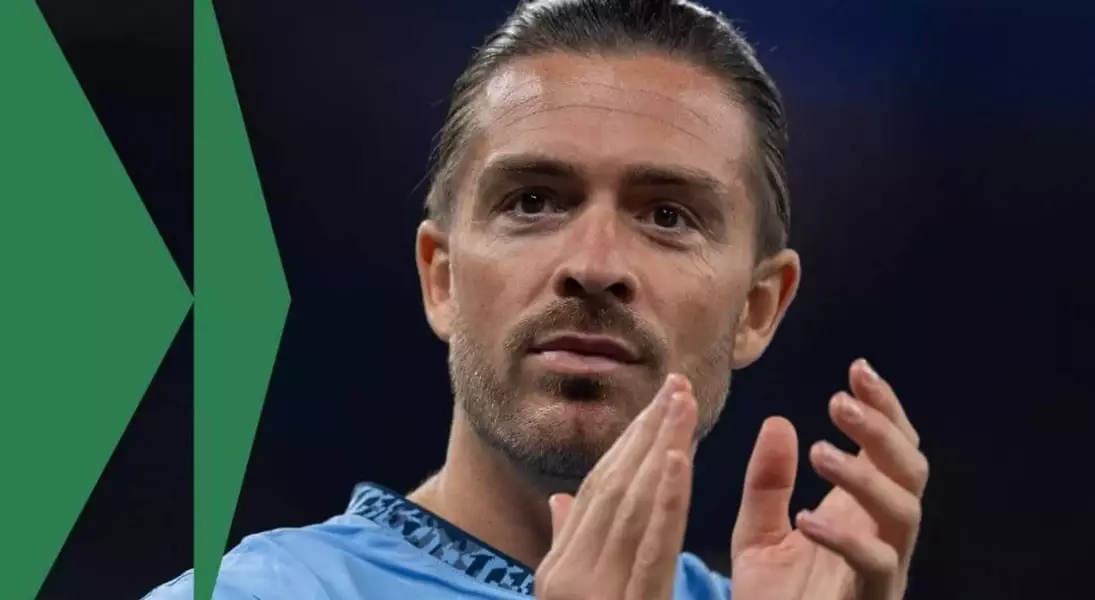
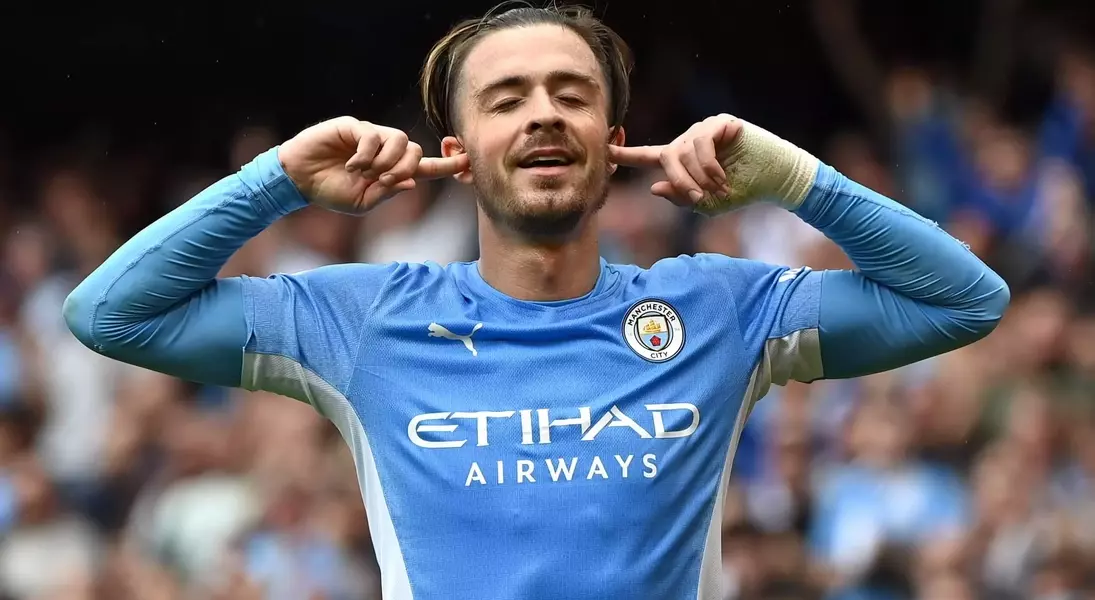
Everton has recently completed the acquisition of England international Jack Grealish on a season-long loan from Manchester City. This significant move sees a prominent player seeking renewed opportunities and a pivotal role within his new team. The transfer signifies a strategic decision for both the player and the club, with Everton's manager, David Moyes, emphasizing Grealish's experience and understanding of the Premier League as key assets. This article delves into the details of this high-profile transfer, exploring Grealish's career trajectory, his expected tactical integration at Goodison Park, his injury history, and the financial implications of the deal for both Manchester City and Everton.
Jack Grealish's journey in professional football has been marked by both soaring highs and recent challenges. After leading his childhood club, Aston Villa, back to the Premier League in 2019, his career took a momentous turn with a record-breaking £100 million transfer to Manchester City. His initial tenure at City brought immediate success, including a Premier League title in his debut season and a historic treble in his second. However, the subsequent seasons proved more demanding, culminating in his omission from England's Euros squad due to reduced playing time and a prolonged goal drought. The 2024-25 season saw him make only seven league starts, indicating a decline in his prominent role at City.
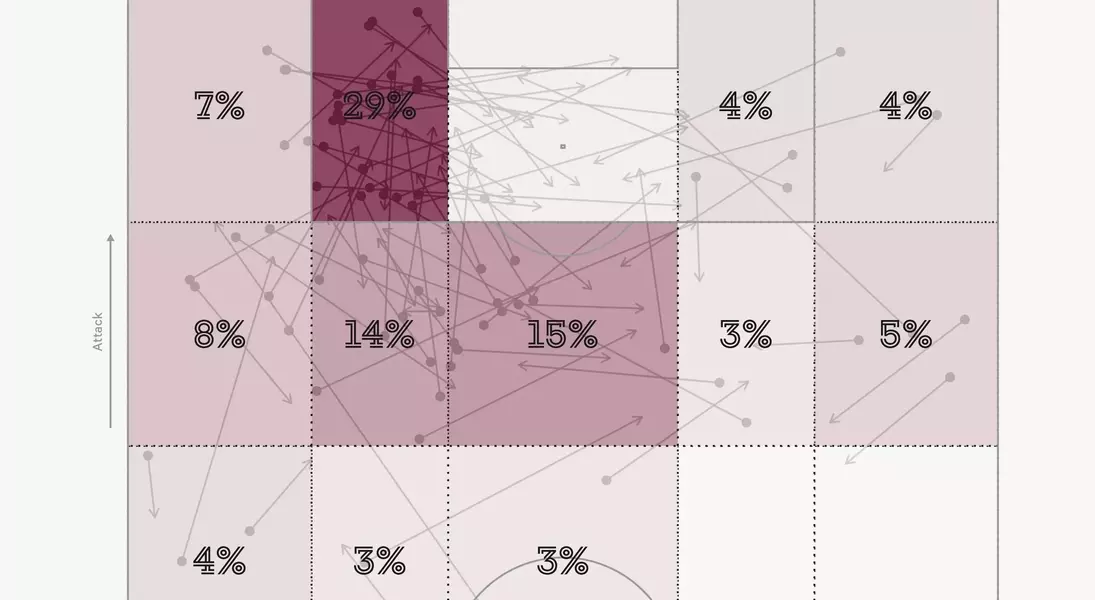
At Everton, Grealish is anticipated to rediscover his form by being granted more individual freedom and a platform for self-expression. Unlike his role at City, where he often functioned as a component within a highly structured system, Everton is expected to leverage his exceptional dribbling skills and ability to create scoring opportunities. His arrival is particularly poised to benefit Iliman Ndiaye, who can now operate more centrally as a number 10, orchestrating the team's offensive plays. While Everton's style of play will demand a greater defensive contribution from Grealish due to less possession compared to City, he is set to become a primary attacking force alongside Ndiaye, utilizing his proven ability to deliver key passes, cutbacks, and through balls.
Grealish's injury history is also a relevant factor in his transition to Everton. Throughout his career, he has experienced several periods on the sidelines, including a significant kidney injury at Villa and recurring issues with his shins, calves, ankles, and Achilles. While his more recent campaigns at City were affected by hamstring and groin problems, the primary reason for his reduced minutes in the latest season was reported to be selection decisions rather than persistent ailments. Despite these past setbacks, the focus will be on managing his fitness to ensure he can consistently perform at the elite level expected of him.
The financial aspect of the transfer involves a season-long loan, with Everton taking on approximately 75 percent of Grealish's substantial weekly salary, estimated at £300,000. The deal also incorporates a £50 million purchase option, providing Everton with the flexibility to make the move permanent in the future. This arrangement offers both clubs financial benefits: Everton spreads the cost of a high-value player, while City realizes significant cost savings on Grealish's wages and stands to make a considerable profit if the purchase option is activated. This strategic financial structuring allows Everton to bolster their squad with a high-caliber player while managing their financial fair play obligations, and Manchester City maintains flexibility regarding their squad and finances.
