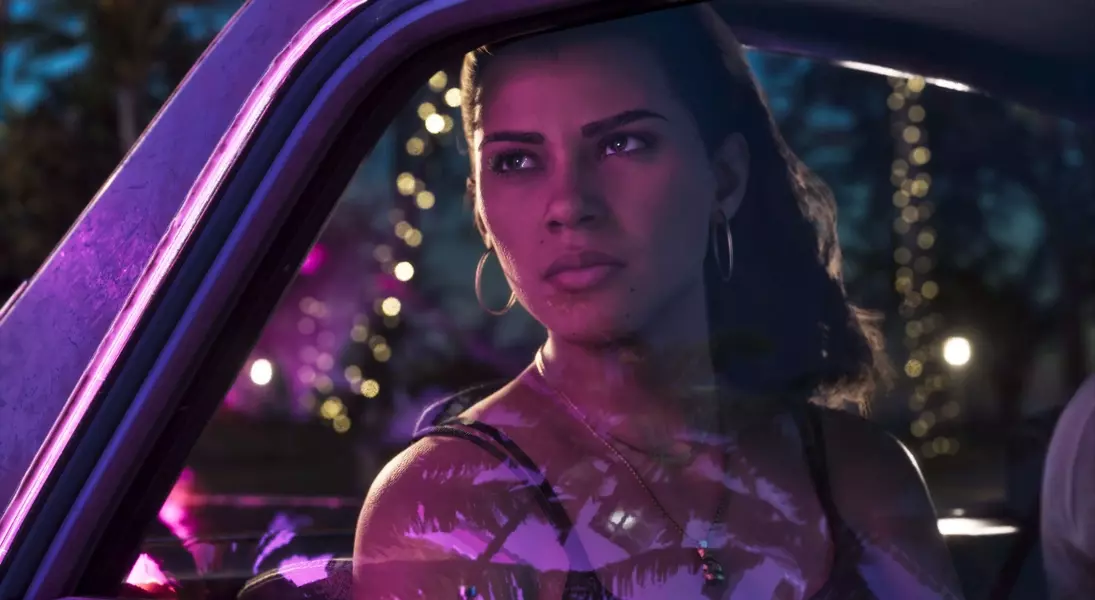

The recent release of Grand Theft Auto 6 has cultivated an intriguing social phenomenon, transcending the digital realm and influencing real-world romantic behaviors. Players, particularly men, who engage in in-game acts of affection like buying virtual flowers or jewelry for the character Lucia, are now frequently replicating these gestures for their actual partners. This unexpected trend has rapidly gained traction across various social media platforms, with countless posts showcasing individuals purchasing bouquets and gifts, directly attributing their motivation to their gameplay experiences. Florists have also reported an unusual uptick in male clientele seeking floral arrangements, often connecting this surge to the game's influence. This demonstrates how virtual interactions within a narrative-driven game can surprisingly foster greater attentiveness and thoughtfulness in real-life relationships, prompting discussions about the unexpected positive impacts of gaming on social dynamics. The game’s central theme of a relationship navigating a complex world seems to resonate deeply enough to inspire tangible displays of affection, transforming digital empathy into genuine romantic actions.
The core of this emerging trend lies in the initial segments of Grand Theft Auto 6, where players are presented with options to perform thoughtful actions for Lucia, one of the game's protagonists. These seemingly minor in-game choices, such as selecting a piece of jewelry or a bouquet of flowers, have inadvertently become a catalyst for real-world expressions of love. The contrast between players meticulously caring for their digital girlfriend while potentially neglecting their real-life partners quickly became a point of viral discussion, highlighting a humorous yet poignant self-reflection among the gaming community.
Evidence of this widespread influence is abundantly clear across social media. Instagram reels, accumulating millions of views, feature individuals openly admitting their inspiration. One viral post depicted a man acquiring flowers for his wife, stating he had already purchased a bouquet for Lucia, implicitly acknowledging the game's role in his gesture. Another similar post showed a woman receiving roses from her partner, with the caption humorously noting that he was prompted to buy them for her after having done so for Lucia within the game. This pattern of behavior suggests a significant, if perhaps temporary, shift in how some players perceive and act upon romantic duties, driven by their immersive virtual experiences.
Even commercial entities like flower shops have recognized and capitalized on this unique social wave. Florists have reported witnessing an unprecedented number of male customers, with some even sharing anecdotal evidence of men explicitly mentioning "Lucia" when purchasing flowers. Savvy marketing campaigns have emerged, with businesses creating advertisements that directly reference Grand Theft Auto 6, urging men to "complete their mission" by buying flowers for their girlfriends to earn "boyfriend points." This commercial response underscores the widespread acknowledgment of the game's impact, as businesses adapt their strategies to engage with this new, romantically-inclined demographic of gamers.
Interestingly, the influence isn't solely unidirectional, from game to male player to female partner. There have also been instances of role reversal, where partners of gamers have embraced the theme. One notable example showcased a wife presenting her husband with a Grand Theft Auto 6-themed floral arrangement, complete with colors reminiscent of the game's aesthetic, to celebrate the game's launch. This particular instance highlights a playful and reciprocal understanding of the game's cultural footprint, turning what began as a digital gesture into a shared, real-world romantic expression, demonstrating the diverse ways in which popular culture can inspire connection and affection.
Ultimately, the narrative choices and character interactions within Grand Theft Auto 6 have unexpectedly fostered a tangible increase in romantic attentiveness outside the game. This phenomenon, marked by a surge in flower purchases and widespread social media commentary, illustrates how deeply immersive digital worlds can subtly reshape real-world social norms and personal behaviors. It highlights the potential for video games to not only entertain but also to subtly encourage players to reflect on and act upon their relationships with greater care and consideration, proving that even virtual gestures can lead to genuine, heartfelt expressions in daily life.
