
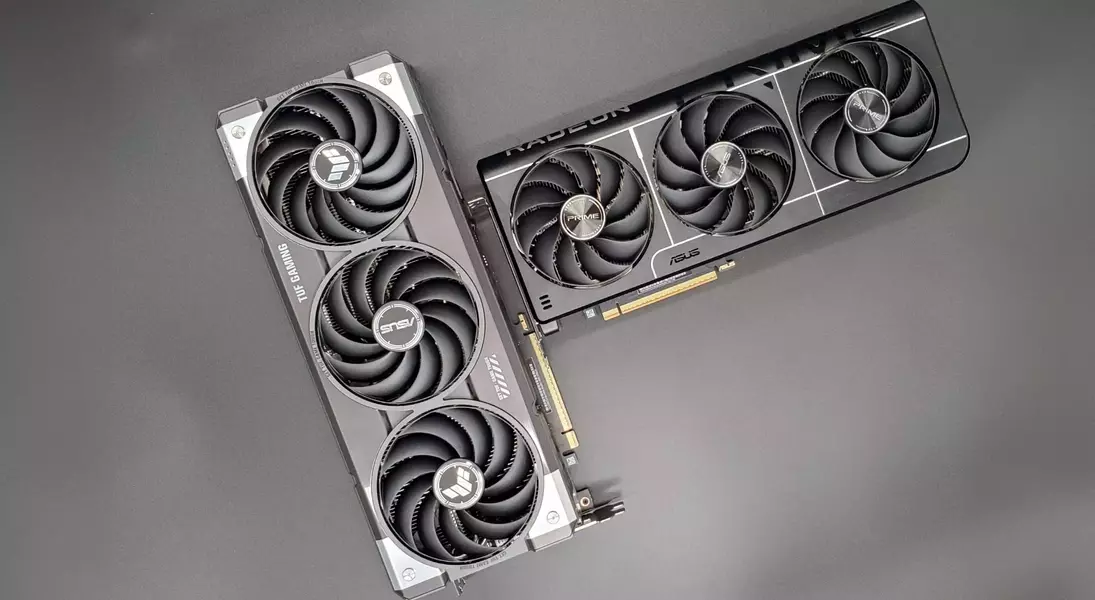
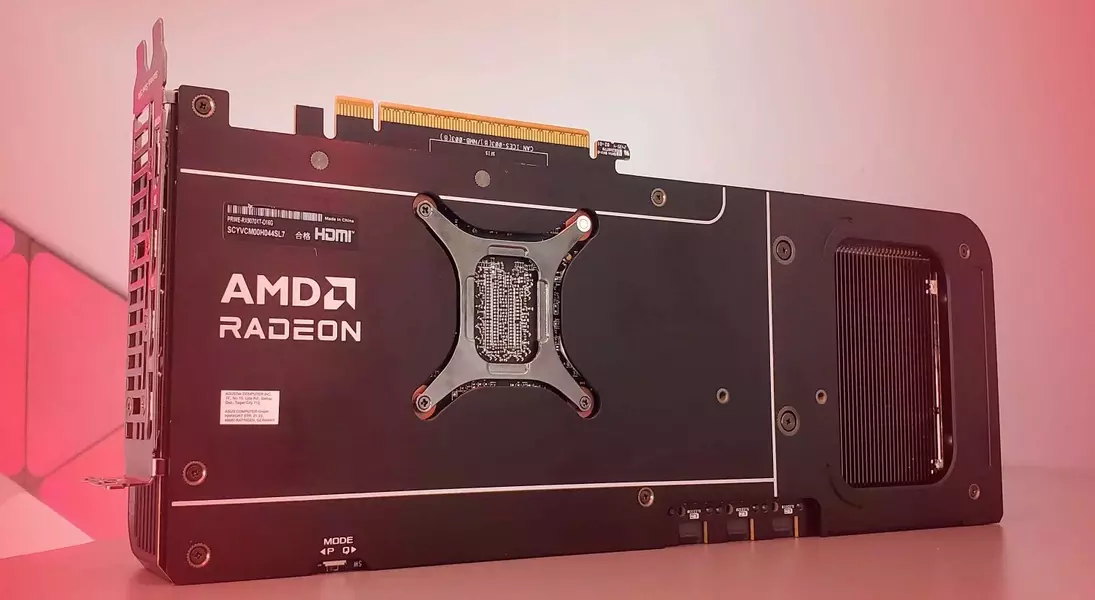
The recent generation of graphics card releases from both AMD and Nvidia has been fraught with challenges, leaving reviewers and consumers alike in a state of confusion and frustration. A primary concern has been the lack of transparent and stable pricing, particularly evident during the launch of AMD's Radeon RX 9070 XT. The author recounts a chaotic experience where official pricing for review units was constantly shifting, with retailers and manufacturers offering conflicting figures, often significantly higher than initial estimates. This instability made it nearly impossible for reviewers to provide definitive assessments based on the promised MSRP (Manufacturer's Suggested Retail Price), as the real-world cost for consumers quickly diverged, sometimes reaching an exorbitant $900 for a card initially priced at $599.
Nvidia's RTX Blackwell generation launches, while benefiting from the presence of Founders Editions, were not immune to issues. Reviewers contended with tight deadlines and unpolished drivers, while consumers faced problems like black screen incidents, concerns about power connectors, and rampant price gouging. A significant point of contention was the perceived overreliance on Multi-Frame Generation (MFG) to showcase generational performance improvements, leading to questions about the true underlying silicon advancements. Despite AMD's competitive performance at a lower theoretical price point, their releases also suffered from supply shortages and an inability to control market prices effectively. Both companies, having observed the scalping frenzy of previous years, appeared to capitalize on high demand, resulting in prices that far exceeded initial recommendations for both the RX 9070 XT and RTX 5070 Ti.
This period has been characterized as one of the most problematic collective GPU launches in recent memory, with pricing being the most dominant and contentious issue. While neither AMD nor Nvidia are solely to blame for the broader capitalist dynamics at play, the market's response to supply and demand imbalances, coupled with opportunistic pricing by manufacturers and retailers, created a hostile environment for consumers. Although prices eventually stabilized towards the year's end, the relief might be short-lived. The emerging 'RAMpocalypse' due to AI demand is now threatening to drive up memory prices, potentially leading to another cycle of increased graphics card costs in the near future. This ongoing volatility in the hardware market underscores a persistent challenge for both industry players and PC enthusiasts.
The current landscape of graphics card launches highlights the intricate balance between technological innovation, market dynamics, and consumer accessibility. While the pursuit of cutting-edge performance drives progress, the associated pricing instability and supply challenges can detract from the overall user experience. Moving forward, it is crucial for industry leaders to foster greater transparency and stability in their product releases, ensuring that technological advancements are genuinely attainable for the broader gaming community. Empowering consumers with reliable information and predictable pricing can cultivate a healthier market, allowing more individuals to partake in the excitement of new hardware without facing undue financial burdens or market manipulation. This commitment to fairness and accessibility will ultimately benefit the entire ecosystem, promoting sustained growth and innovation for years to come.
