
This article explores how the hybrid documentary 'You Can See Everything' redefines the gothic romance genre, weaving a complex narrative of truth, performance, and authenticity through its unique characters and unsettling setting.
Unveiling the Layers: 'You Can See Everything' as a Modern Gothic Masterpiece
Beyond Documentation: Embracing the Gothic Romance Archetype
While celebrated for its exploration of authenticity and truth, the documentary 'You Can See Everything' achieves its most profound impact as a seminal work in the gothic romance tradition. It adeptly updates classic themes of psychological intensity and confined spaces, positioning itself alongside enduring narratives such as 'Rebecca' and 'Mulholland Drive'.
The Confined Setting: A Crucible of Psychological Drama
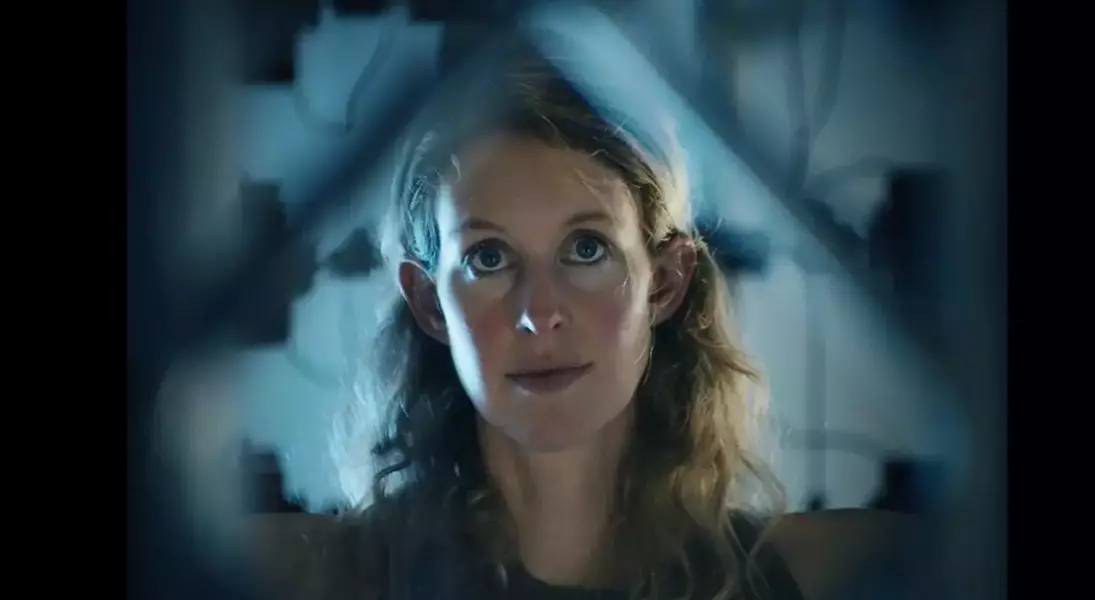
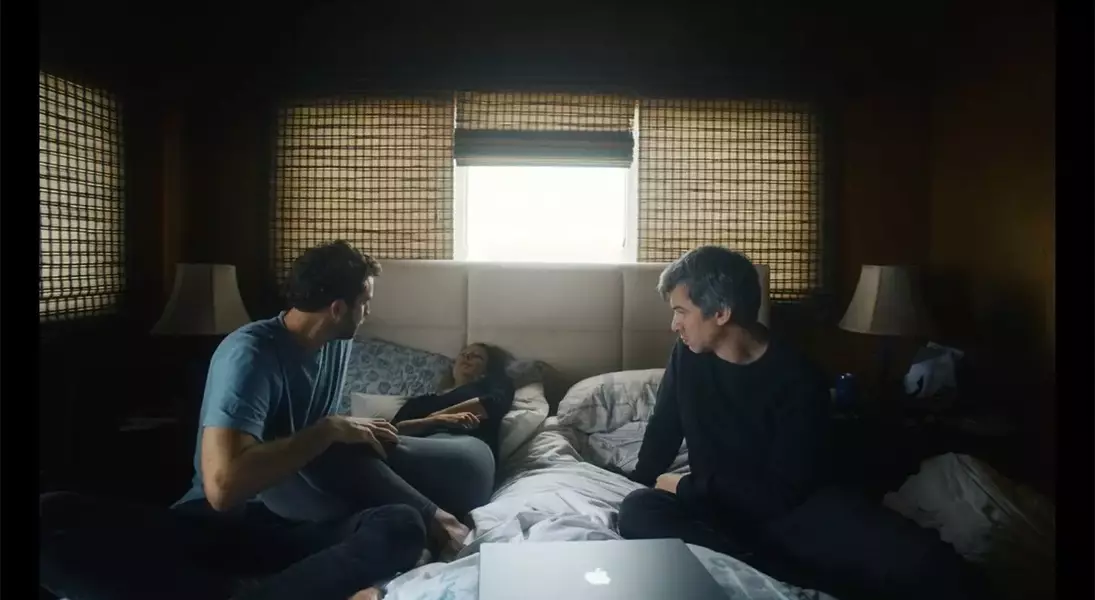
The film ingeniously transforms a seemingly ordinary San Diego beachfront residence into a crucible of psychological tension. Through meticulous camera work and probing interviews, this domestic space becomes an unsettling chamber, intensifying the intricate dynamics between its inhabitants. Elizabeth Holmes, portrayed with a blend of vulnerability and potential deceit, embodies the archetypal gothic heroine, her narrative further complicated by the presence of her children and her enigmatic partner, Billy Evans.
The Intertwined Destinies: Madness Shared by Two
The central relationship in 'You Can See Everything' strikingly illustrates the concept of 'folie à deux,' a shared madness where delusions are mutually reinforced. This symbiotic bond fuels a potent destabilization that gradually extends to other participants within the film and ultimately engulfs the audience, blurring the lines between observer and participant.
The Trickster Auteur: Challenging Perceptions with Nathan Fielder
Nathan Fielder, renowned for his subversive and experimental approach in works like 'The Curse' and 'The Rehearsal,' continues his role as a trickster-auteur. He positions himself as both an interpreter and an unsettling presence, navigating the complex interplay between Holmes and Evans. The introduction of Amanda Seyfried, reprising her Emmy-winning portrayal of Holmes, further blurs reality and performance, adding another layer to the film's intricate web of motivations and power struggles.
A Séance of Reality: Specters and Illusions
The film masterfully creates an atmosphere akin to a séance, enhanced by its spectral cinematography and a score reminiscent of classic thrillers. Seyfried's embodiment of Holmes and Evans' use of holographic technology to conjure his wife contribute to this ethereal quality. The audience is drawn into a 'rabbit hole,' becoming complicit in the film's moral and aesthetic challenges, where the act of seeing everything may paradoxically lead to perceiving nothing at all.
