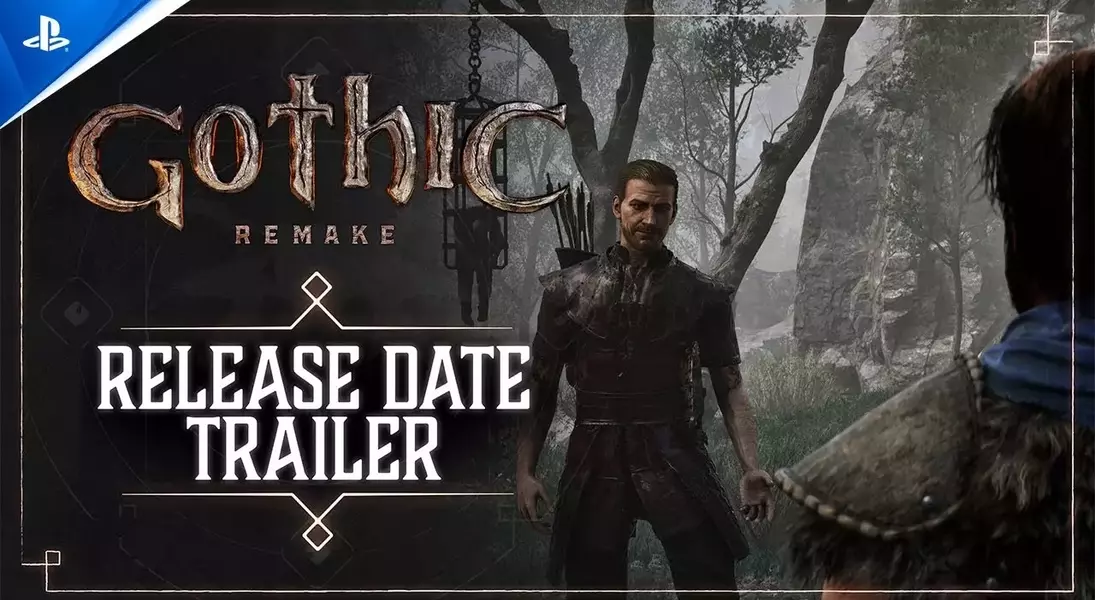
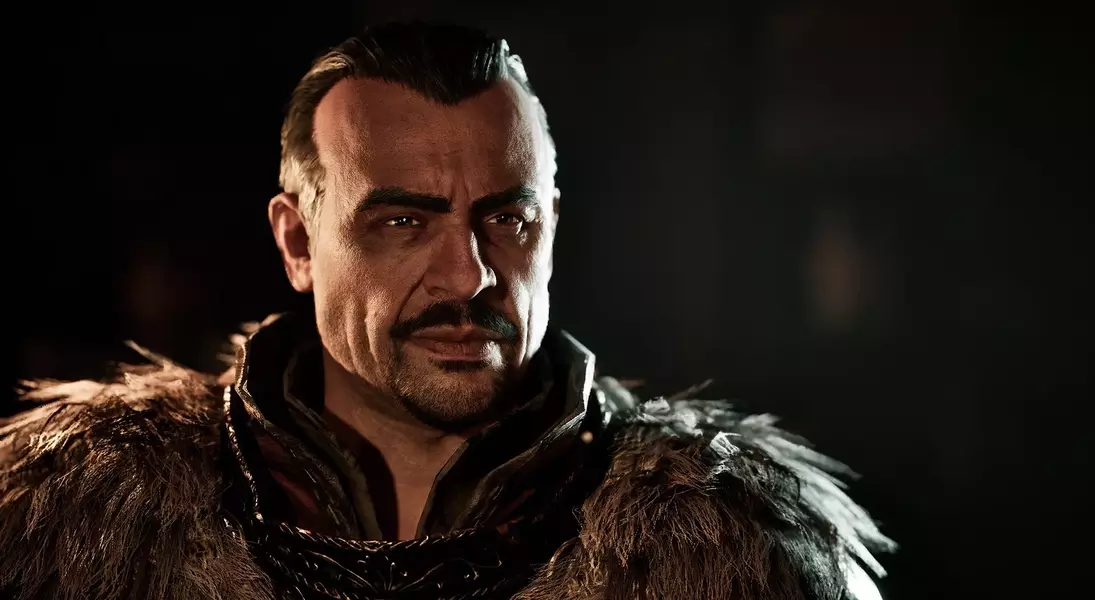
Five years after its initial announcement, the eagerly awaited remake of the classic RPG, Gothic 1, has finally received a confirmed release date. This comprehensive revitalization of Piranha Bytes' influential yet quirky role-playing game, renowned for its intricate 'life simulation' mechanics, will be available to players starting June 5th of this year. The development team, Alkimia Interactive, appears to have meticulously incorporated community feedback gathered from last year's demo, indicating a commitment to enhancing the player experience and delivering a polished final product. This remake aims to offer a more profound and expansive world, building upon the original's strengths while addressing its initial limitations, promising a truly reimagined adventure for both long-time fans and newcomers.
My personal anticipation for the Gothic 1 remake surpasses any excitement I held for an Oblivion remaster, primarily because Gothic 1, despite being only six years older, is significantly more challenging to revisit today due to its dated mechanics and presentation. While Oblivion was a polished title from the start, Gothic possessed a raw, unfinished genius that begged for a modern interpretation. The remake is poised to unlock this dormant potential, especially in the latter sections of the game, which were famously less developed than the early stages. Alkimia Interactive has articulated a vision to enrich these areas, introducing new storylines, elaborating on underutilized settings, and deepening the lore, particularly concerning the Orcs, even going so far as to create a new language for them. This ambitious approach suggests a transformative overhaul rather than a mere graphical update, aiming to realize the grand scope the original developers might have envisioned.
Expanding the Narrative and World of Gothic
The upcoming remake of Gothic 1 by Alkimia Interactive is poised to deliver a significantly expanded and refined gaming experience, particularly focusing on deepening the narrative and enriching the game world. Building upon the ambitious yet somewhat unfulfilled vision of the original, the development team has committed to fleshing out the later stages of the game. This includes not only enhancing existing, underutilized locations but also integrating new side quests that weave more seamlessly into the overarching story. A key highlight is the planned expansion of the Orc lore, with Alkimia Interactive even developing a unique language for this formidable race, promising a more immersive and detailed portrayal of their culture and significance within the game's universe. This concerted effort aims to address the original's narrative disparities, offering a more consistent and engaging journey from start to finish.
Alkimia Interactive's approach goes beyond simple visual upgrades; it involves a fundamental reimagining of Gothic's core elements to enhance player immersion and narrative depth. The game promises a dynamically reacting world, where player choices will have tangible consequences, shaping the unfolding story in meaningful ways. NPCs are designed with detailed daily routines, a beloved feature of the original, which will be further refined to contribute to a living, breathing world. The wildlife is also being given natural behaviors, adding another layer of realism and complexity to the environment. This ambitious scope, while reminiscent of the original's pioneering spirit, is being tackled by a studio that includes veterans of the Gothic series, such as Mattias Filler, a writer for Gothic 2 and 3, ensuring that the remake stays true to the franchise's roots while pushing its boundaries. The goal is to create a remake that not only recaptures the magic of the original but also realizes its full, untapped potential through meticulous expansion and thoughtful design.
The Legacy and Future of Gothic's Creators
The release of the Gothic 1 remake, while exciting for fans, also casts a spotlight on the complex legacy of the original developers, Piranha Bytes, and their journey. It's noteworthy that THQ Nordic, under the Embracer Group, is funding this lavish remake by Alkimia Interactive, even as news emerged of the reported closure of Piranha Bytes, the creators of the original Gothic series. This situation raises questions about the industry's evolving landscape and the fate of pioneering studios. However, the spirit of Gothic lives on not only through this remake but also through the new ventures of its original talent. Mattias Filler, a veteran writer for Gothic 2 and 3, is contributing to the remake, ensuring a connection to the series' creative origins.
Furthermore, the original founder of Piranha Bytes has embarked on a new endeavor, establishing Pithead Studio. This new company is currently developing Cralon, a dungeon crawler inspired by the classic Ultima Underworld series. A playable demo for Cralon is already available, offering a glimpse into the creative direction of Gothic's original visionaries. This parallel development of a remake by a new team and a new project by the original creators highlights a fascinating dichotomy in game development: the preservation and modernization of past classics versus the continuous innovation by their originators. It speaks to the enduring appeal of the RPG genre and the desire to build rich, immersive worlds, whether through reimagining beloved titles or forging entirely new paths. The Gothic remake, therefore, is not just a revival of a single game, but a chapter in a broader narrative about artistic legacy, industry changes, and the ongoing quest for compelling interactive experiences.
