Google's recent introduction of the Universal Cart, powered by its advanced AI models and the Shopping Graph, signifies a monumental shift in the e-commerce landscape. This innovation, announced at the I/O 2026 conference, moves online retail from traditional search-based browsing to a new era of 'agentic commerce.' The Universal Cart aims to centralize the shopping experience across Google's extensive ecosystem, including Search, Gemini, YouTube, and Gmail, fundamentally changing how consumers discover and purchase products. This development is poised to challenge existing brand strategies and compel businesses to re-evaluate their digital presence and operational efficiencies in response to an increasingly AI-driven marketplace.
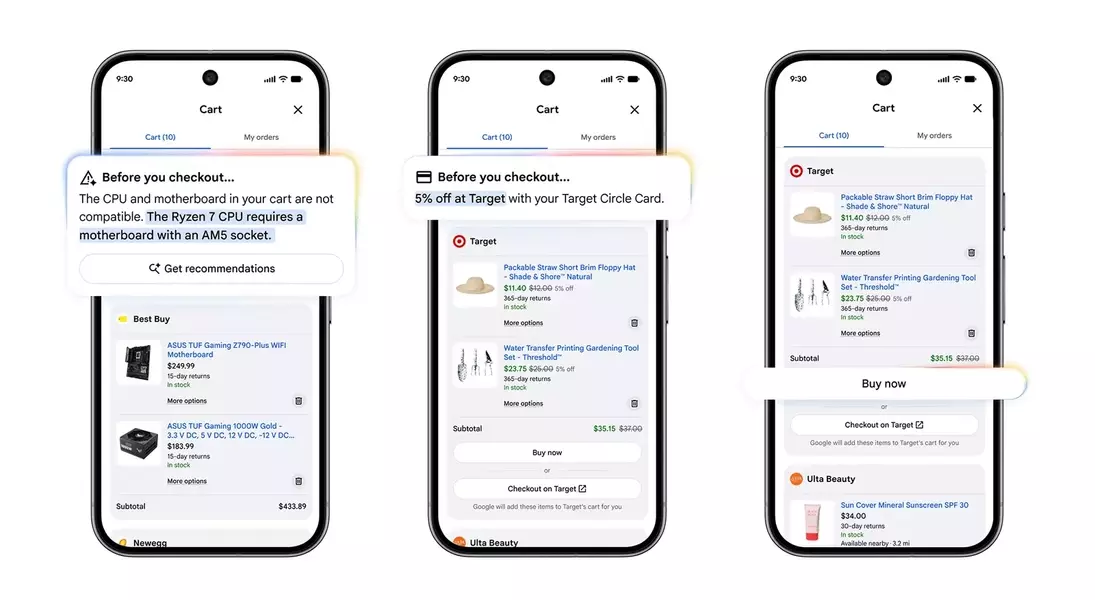
For years, online purchasing involved customers actively searching, browsing, and adding items to their carts across various websites. Google, leveraging its dominance in web search and its vast database of product listings, has now introduced a system where AI takes a proactive role. The Universal Cart will enable users to add products to a single, cross-platform cart, with the AI continuously optimizing the shopping process by finding the best deals, comparing product compatibility, setting price alerts, and checking stock availability across its extensive index. This level of automation means that once an item is added to a basket, the AI takes over, ensuring a seamless and efficient transaction process.
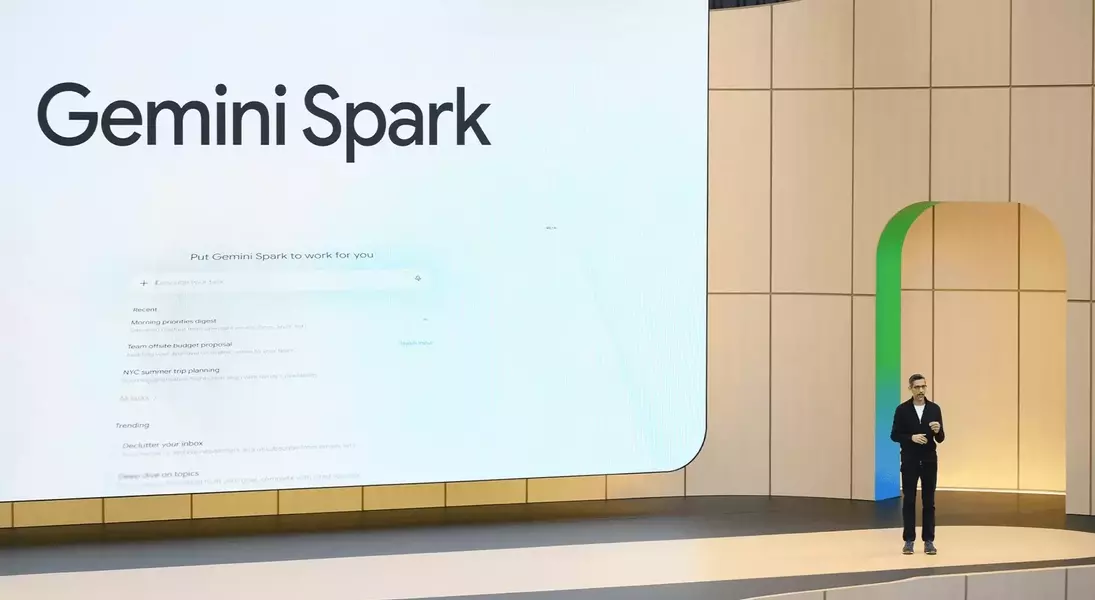
The rollout of Universal Cart is scheduled to begin in the summer of 2026, starting with Google Search and the Gemini app in the United States, followed by YouTube and Gmail. Major retailers like Nike, Sephora, Target, Ulta Beauty, Walmart, and Wayfair, along with select Shopify merchants such as Fenty and Steve Madden, are among the first to integrate these new checkout features. Crucially, Google also unveiled Gemini Spark, a 24/7 AI personal assistant, which will be integrated with the Universal Cart. This integration paves the way for Spark to eventually manage the entire shopping journey autonomously, making purchases on behalf of consumers, thereby embodying the true concept of an AI shopping agent.
This paradigm shift from consumers merely using AI as a discovery tool to an AI acting as a decision-making agent has profound implications for brands. Experts suggest that the traditional direct-to-consumer (DTC) touchpoints, which brands have meticulously cultivated, may become less influential. With an AI agent executing purchases based on predefined parameters, brands might find themselves selected or overlooked before a direct interaction with the consumer even occurs. This necessitates a re-evaluation of brand visibility strategies, moving beyond traditional SEO to "AIO" (AI optimization), ensuring that product information is not only discoverable by search algorithms but also by advanced AI models. Brands must ensure their product details, such as fit, materials, care instructions, and compatibility, are meticulously maintained and easily accessible to AI systems, as these attributes will heavily influence agentic reasoning.
The Universal Cart's introduction also places a spotlight on inventory accuracy. When a shopper can add a product to their cart directly from a Google search result, inventory numbers become a public "purchase promise." Inaccurate inventory data, previously managed internally, could now lead to abandoned carts and negative Google Merchant ratings within this universal checkout flow. This demands that merchants significantly enhance their backend operations, adopting real-time inventory updates to prevent discrepancies. The rapid demand spikes observed from viral social media trends offer a glimpse into how Universal Cart will amplify the need for precise and dynamic inventory management. A synchronized system is crucial to avoid operational failures becoming customer-facing issues.
While concerns about data privacy and the extensive collection of consumer information by large technology companies like Google are valid, the convenience offered by services like the Universal Cart often drives rapid adoption. Data indicates that AI Overviews in Google Search have already led to a substantial decrease in click-through rates for top-ranking pages, suggesting a swift change in consumer behavior. This highlights the powerful impact of Google's software updates on user norms. For brands, this means a potential loss of visibility into the consumer journey, as AI agents conduct private conversations and decision-making processes. To adapt, brands must prioritize robust data hygiene and optimize their site infrastructure, ensuring their product information is readily available and easily digestible by AI agents, lest consumers are guided toward competitors.
Ultimately, the Universal Cart represents a significant consolidation of power within Google's ecosystem, leveraging data from Search, Gemini, YouTube, and Gmail to create an unprecedentedly detailed consumer profile. Integrated with Google Wallet, it understands payment preferences, loyalty programs, and merchant offers, streamlining the transaction process. While Google asserts that brands remain the 'Merchant of Record,' maintaining control over customer relationships and data, the potential for data opacity raises concerns for businesses. Despite this shift, experts emphasize the enduring importance of brand loyalty and customer retention, areas where AI has yet to fully replicate human connection. Brands that succeed in this new environment will focus on improving data visibility while continuing to build emotional touchpoints and community around their offerings, fostering a sense of ritual and narrative that tech platforms cannot replicate.
