In an unusual move, Google has openly acknowledged a significant limitation regarding the highly-touted IP68 water and dust resistance feature in its Pixel smartphones. The tech giant's recent statements reveal that this protection is not a perpetual attribute, but rather one that diminishes and eventually disappears with the passage of time. This candid disclosure by Google stands in stark contrast to the common industry practice of subtly burying such caveats in fine print, shedding a new light on the longevity expectations for modern mobile devices.
Google's Candid Admission on Device Longevity and Water Resistance
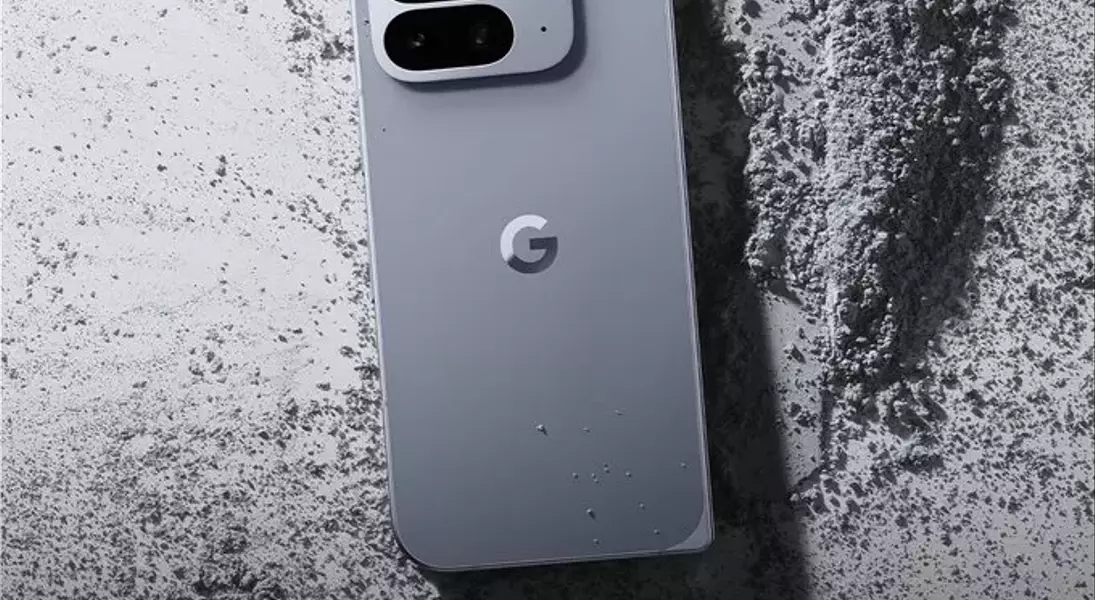
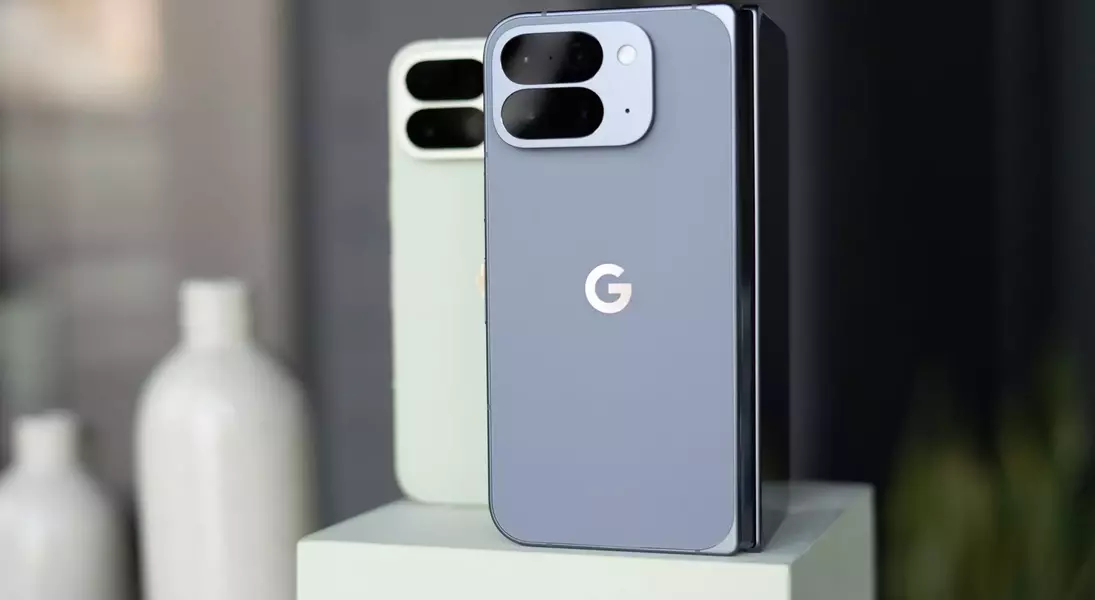
On a notable Wednesday, August 20, 2025, Google, through its official Made by Google social media channels, specifically on X (formerly Twitter), published an image accompanied by a critical clarification regarding the IP68 rating of its devices. This rating, indicating a high level of protection against dust and water ingress, is present in Pixel phones, including the highly anticipated Pixel 10 Pro Fold. However, the company plainly stated that this resistance is not an everlasting shield. The protective qualities are subject to degradation due to normal daily use, contact with substances like salt or chlorine, or physical impacts such as drops and dents. Furthermore, Google reiterated a standard industry clause: any damage caused by liquids will invalidate the product's warranty, effectively placing the onus on the consumer for such incidents.
This transparent communication from Google, a prominent player in the mobile technology arena, brings to the forefront an often-overlooked aspect of smartphone durability. It serves as a crucial reminder to consumers that the initial robust protection boasted by new devices is a temporary state, influenced by how the device is handled and the environments it encounters. The company's upfront stance offers a refreshing, albeit sobering, perspective on the reality of smartphone longevity, urging users to manage their expectations regarding the long-term resilience of their devices against environmental factors.
From a journalist's perspective, Google's directness is both commendable and thought-provoking. While the information itself isn't entirely new to those familiar with electronics manufacturing and warranty policies, the deliberate public announcement from a major tech company is a significant departure from industry norms. It prompts a broader discussion on consumer awareness and manufacturer transparency. In an era where technological advancements are often highlighted, it's equally important for companies to be forthright about the inherent limitations and natural wear and tear that affect device performance and features over time. This move by Google could potentially set a new precedent for how tech companies communicate with their users, fostering a more realistic understanding of product capabilities and lifespan, rather than solely focusing on initial impressive specifications.
