In a significant strategic shift, Google has indicated it will narrow its focus on primary mobile devices, such as its Pixel smartphones and smartwatches, while shelving development on several other innovative hardware projects. This decision underscores a more cautious approach to market diversification, particularly in areas where partner companies like Samsung are already prominent. The company aims to consolidate its efforts on its successful Pixel series, including the recently launched Pixel 10, Pixel 10 Pro Fold, and Pixel Watch 4, allowing other manufacturers to lead the charge in emerging or less established categories.
Reports from Bloomberg have shed light on Google's current hardware trajectory, revealing that certain experimental projects are on hold. Notably, the tech giant has confirmed the cessation of the Pixel Tablet 2's development. This marks a curious turn, as Google had previously withdrawn from the tablet market in 2019, only to re-enter it, and now appears to be reconsidering its position once more. This wavering commitment highlights the challenges in finding a sustainable and impactful niche within the highly competitive tablet landscape.
Furthermore, Google has explicitly stated its intention to steer clear of flip-style foldable phones for the time being, despite the increasing popularity of such devices from competitors. This suggests a reluctance to engage in a market segment that, while growing, may not align with Google's immediate hardware priorities or perceived competitive advantages. The company is also not actively developing smart rings, an emerging wearable category that some foresee as a key area for future technological innovation.
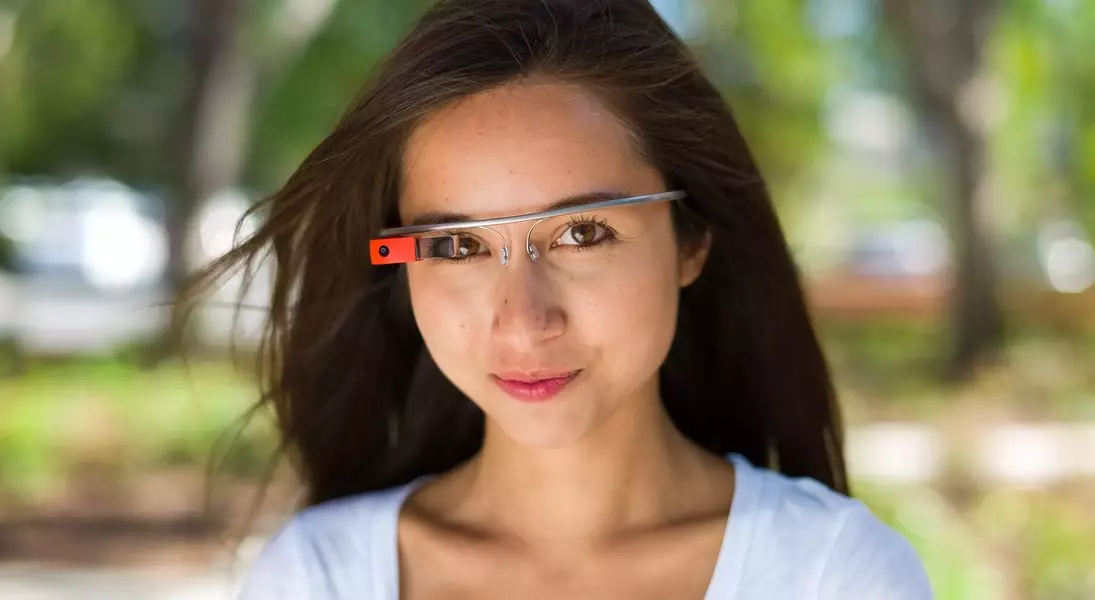
Regarding smart glasses, a product type Google has previously prototyped and showcased, the company's stance remains ambiguous. While Google's devices chief, Rick Osterloh, recognizes the importance of the smart glasses category for the company's long-term vision, he indicates that Google itself may not be the one to bring these devices to market. Instead, the emphasis seems to be on fostering an Android XR platform that supports a broader ecosystem of third-party smart glasses. This collaborative approach mirrors previous strategies, aiming to influence the software and connectivity standards rather than directly competing in every hardware segment.
This cautious stance likely stems from past experiences, particularly the mixed reception of the original Google Glass. Despite its pioneering nature, Google Glass faced significant public and commercial hurdles, prompting its inclusion on lists of notable tech product failures. However, industry observers suggest that a contemporary iteration of smart glasses might find a more receptive audience, especially in a post-Meta Ray-Ban world where the concept of connected eyewear has gained more traction. Finally, Google's design head, Ivy Ross, hinted that significant aesthetic changes to the Pixel phone lineup, perhaps moving away from current design elements like prominent camera bumps, are typically on a two-to-three-year cycle, indicating that a fresh visual identity for its core smartphone products could be on the horizon.
Google's current strategy appears to be one of measured innovation, choosing to reinforce its strongholds in the smartphone and smartwatch markets while adopting a more supportive role in nascent categories like augmented reality glasses. By disengaging from the direct development of devices such as tablets, smart rings, and flip phones, Google signals a clear intent to optimize resources and focus on areas where it can achieve greater market leadership and impact through its Pixel ecosystem and foundational software platforms, rather than venturing into every possible hardware segment.
