
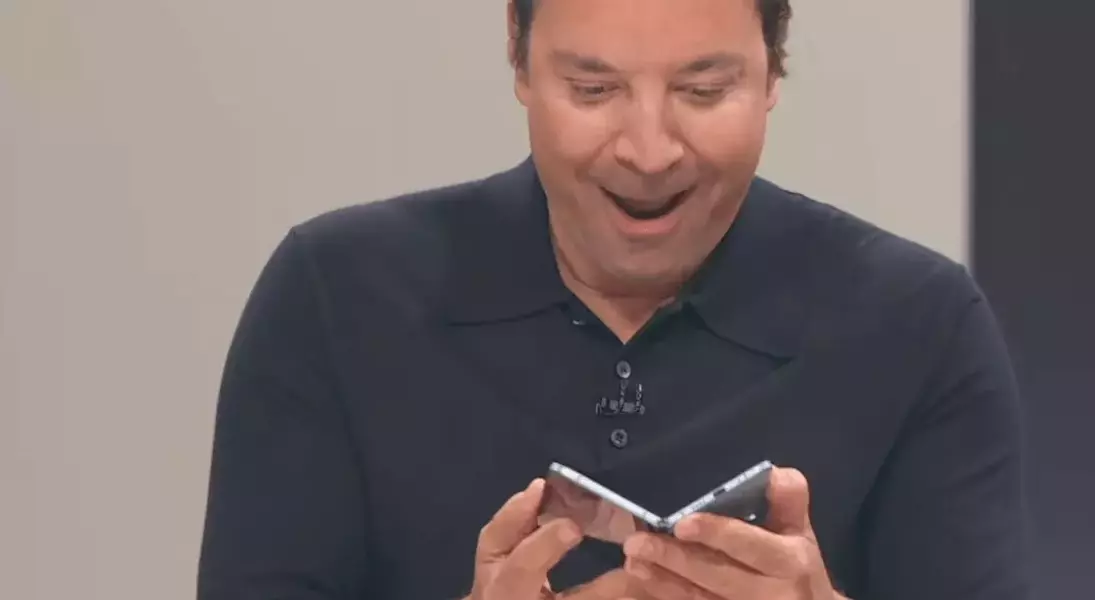


Google's recent product launch event marked a significant departure from the conventional tech keynote, embracing a talk-show style format complete with celebrity hosts and influencers. This shift reflects a broader industry trend where companies are increasingly prioritizing entertainment and direct consumer engagement over traditional, information-heavy presentations. The unconventional approach, while perhaps jarring for tech enthusiasts accustomed to detailed product specifications, aims to broaden appeal and connect with a wider, more mainstream audience. It signifies an evolving landscape in product marketing, where the narrative is as crucial as the innovation itself, and where direct influence often supersedes conventional media outreach.
This new strategy highlights a changing media environment where direct-to-consumer communication channels, like social media and live streaming, offer powerful alternatives to traditional press conferences. By leveraging popular personalities and an engaging, accessible format, Google seeks to create a more memorable and relatable experience, even if it means sacrificing some of the in-depth technical discussions usually found in product unveilings. This innovative marketing tactic aims to capture attention and generate buzz, signaling a potential new era for how major tech firms introduce their innovations to the world, moving from a B2B to a more B2C centric approach.
The Theatrical Unveiling of Google's Latest Innovations
Google's recent product launch for its new Pixel 10 smartphones, Pixel Watch 4, and Pixel Buds 2A was a dramatic departure from the traditional tech keynote, opting instead for a format reminiscent of a late-night talk show. The event was hosted by television personality Jimmy Fallon and included a carefully selected cast of influencers, along with a live studio audience, creating an atmosphere focused on entertainment rather than a strict presentation of technical details. This unconventional approach sought to engage attendees and viewers through a more dynamic and engaging experience, moving away from the typical executive-led product deep dives.
In a stark contrast to the conventional keynote structure, where a company executive typically delivers a highly structured presentation on stage, Google's event featured Rick Osterloh, Senior Vice President of Devices and Services, in a relaxed 'interview' setting with Fallon. The unveiling process adopted a QVC-like presentation style, showcasing new devices and features, including the latest Gemini AI functionalities, through interactive segments with surprise guests and prominent social media personalities. The presence of a Jonas brother to premiere a music video 'Shot on Pixel 10 Pro' further underscored the event's entertainment-driven agenda, emphasizing celebrity endorsement and mainstream appeal over intricate technical demonstrations or detailed product specifications. This deliberate shift indicated Google's intent to broaden its audience reach beyond tech aficionados to capture the attention of a more general consumer base, even if it meant a less in-depth discussion of the products themselves.
Shifting Paradigms in Tech Product Marketing
The highly theatrical and entertainment-focused product launch by Google signals a significant evolution in how technology companies approach marketing and audience engagement. Historically, product keynotes have been informative, aimed at demonstrating technological prowess and innovation to a tech-savvy audience and traditional media. However, this event indicates a strategic pivot towards a more consumer-centric marketing model, where the primary goal is mass appeal and broad brand recognition rather than merely catering to early adopters or industry insiders.
This change in approach underscores a growing trend in the tech industry, where the efficacy of traditional media outreach is diminishing. Companies are now leveraging direct channels, such as social media platforms, influencer collaborations, and live streaming events, to communicate directly with their target demographics. By integrating elements of popular culture and celebrity endorsements, Google is effectively bypassing conventional journalistic scrutiny to deliver its message in an easily digestible and entertaining package. While this strategy may result in a less detailed exploration of product specifics, it significantly enhances the event's reach and impact, generating widespread buzz and attracting new customer segments who might otherwise be disengaged by a more technical presentation. This evolution suggests that the future of product launches lies in creating immersive, entertaining experiences that resonate with a diverse and ever-expanding global audience, marking the end of an era for the traditional tech keynote as we knew it.
