

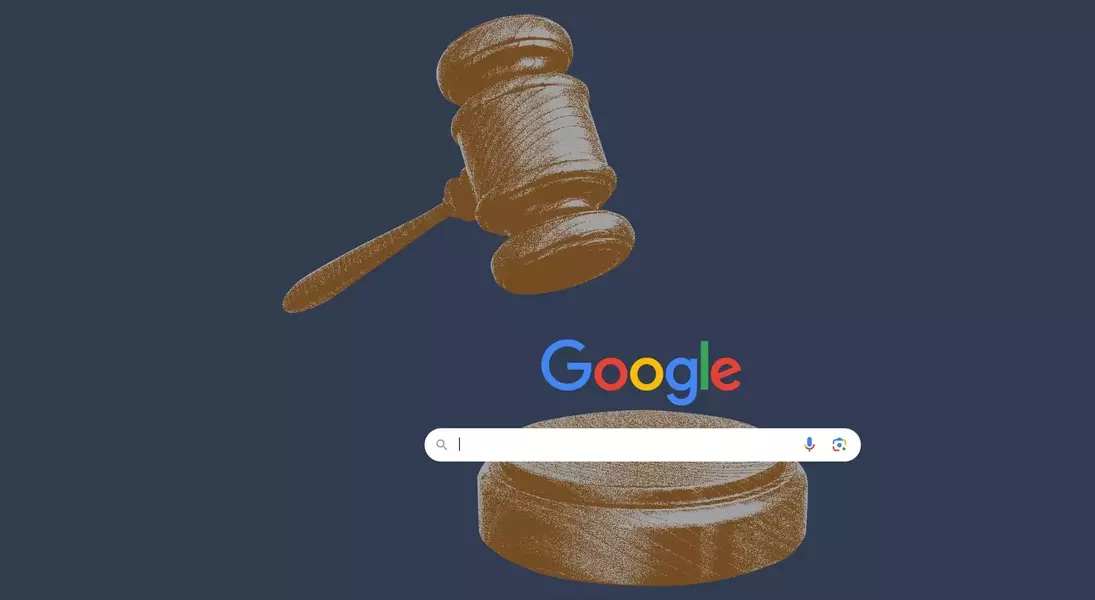
A federal court has recently declared Google a monopoly within the search market, triggering a significant legal battle over the company's future operations. This verdict, delivered by Judge Amit Mehta, highlights Google's dominance and its alleged actions to preserve this position, violating antitrust laws. The ongoing legal proceedings aim to determine appropriate remedies, with proposals ranging from data sharing with competitors to a potential breakup of Google's key products like Chrome and Android. This landmark case, echoing the historical antitrust challenges faced by Microsoft, promises profound implications for the tech industry's competitive landscape.
On August 5th, 2024, Judge Amit Mehta issued a pivotal ruling in the legal action of United States of America v. Google, unequivocally stating that “Google is a monopolist, and it has acted as one to maintain its monopoly. It has violated Section 2 of the Sherman Act.” This decision marked a critical juncture in the extensive antitrust litigation against the technology giant.
Almost a year following this initial judgment, Judge Mehta rendered a subsequent decision concerning the proposed remedies for Google's search market dominance. While attorneys representing the Department of Justice advocated for a significant restructuring, suggesting Google be compelled to separate major assets such as Chrome, Search, and Android, the judge opted against these more drastic measures. Instead, the ruling prohibits exclusive agreements but permits other existing arrangements, notably Google's substantial default search partnership with Apple. Consequently, Google retains ownership of its Chrome browser, despite calls for its divestiture.
This ongoing legal saga represents the most substantial antitrust challenge to a technology firm since the U.S. government's case against Microsoft in the 1990s. Beyond the search monopoly, the government is also pursuing an antitrust case against Google's advertising business, indicating a broader scrutiny of the company's market power. Both Google and the Department of Justice continue to dispute the ruling and its implications, signaling that the legal battles over the company's structure and operations are far from over. This case underscores the complex interplay between innovation, market dominance, and regulatory oversight in the rapidly evolving digital economy.
The legal scrutiny over Google's pervasive influence in the digital sphere, particularly concerning its search and browser operations, has drawn considerable attention from critics. Many argue that the remedies imposed thus far do not go far enough to dismantle Google's entrenched dominance and foster a truly competitive market. Concerns persist that Google's ability to maintain its massive search default deal with Apple and retain its Chrome browser will continue to stifle innovation and limit consumer choice. This ongoing debate underscores the profound challenges in regulating powerful technology corporations and ensuring equitable competition in the digital ecosystem.
