
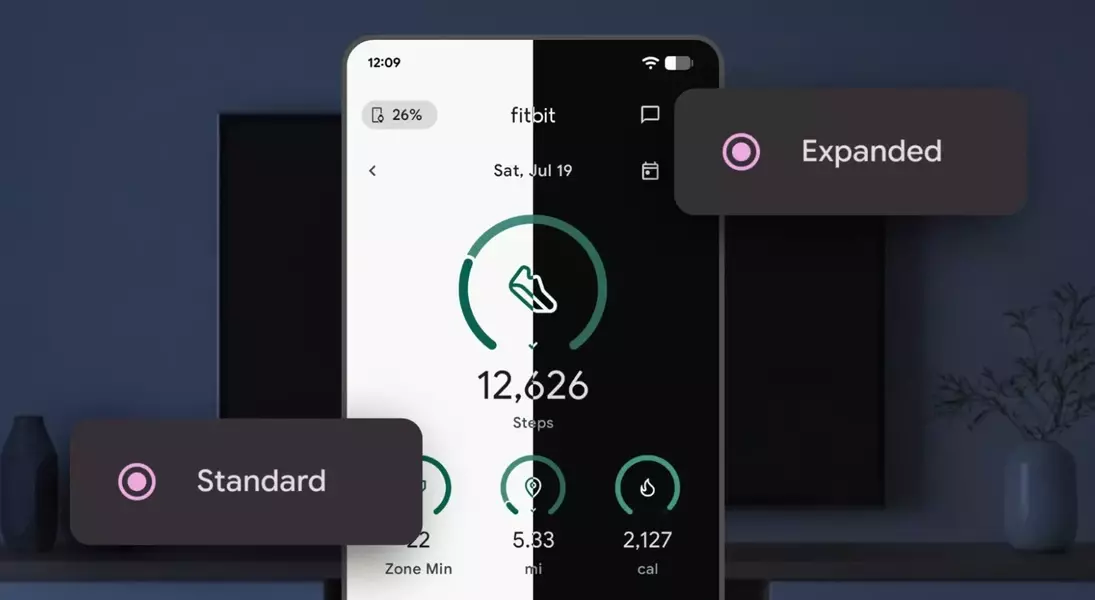
Google has initiated the beta rollout for its upcoming Android 16 QPR2 update, bringing forth substantial enhancements focused on user interface customization and accessibility. This initial beta version, launched concurrently with the Pixel 10 series announcement, is slated for a broader public release later this year, likely in December, according to the official development timeline. These new functionalities are poised to offer Android users unprecedented control over their device's aesthetic and operational elements.
One of the most notable features in this beta is an advanced dark theme option, engineered to intelligently convert the visual appearance of applications that inherently do not support dark mode. This innovative capability ensures a uniform dark interface across all applications, greatly benefiting users with visual impairments or light sensitivity by reducing eye strain. Furthermore, the update introduces a feature that enables users to universally apply themed colors to application icons, irrespective of whether the app developer has provided a monochrome version. This addresses a long-standing user frustration, simplifying the process of achieving a consistent and personalized home screen aesthetic without relying on individual app compatibility.
Beyond visual customization, Android 16 QPR2 beta 1 also integrates new parental control options directly within the Android settings, streamlining the management of screen time, app access, and content filtering for family devices. This update also brings a suite of improvements aimed at making data migration between Android and iOS devices more secure and reliable. Additionally, it enhances support for PDF document annotation and editing, and incorporates Personal Audio Sharing for Bluetooth LE devices directly into the system's audio output switcher, demonstrating Google’s commitment to improving overall user experience and device interoperability.
These advancements in Android 16 QPR2 beta 1 underscore a progressive stride towards a more adaptable, inclusive, and user-centric mobile operating system. By empowering users with greater control over visual themes and integrating essential accessibility and utility features, Google not only enhances the daily digital experience but also fosters an environment where technology serves diverse needs more effectively. This continuous evolution encourages innovation and reinforces the idea that technology should always strive to be more personal, accessible, and beneficial for everyone.
