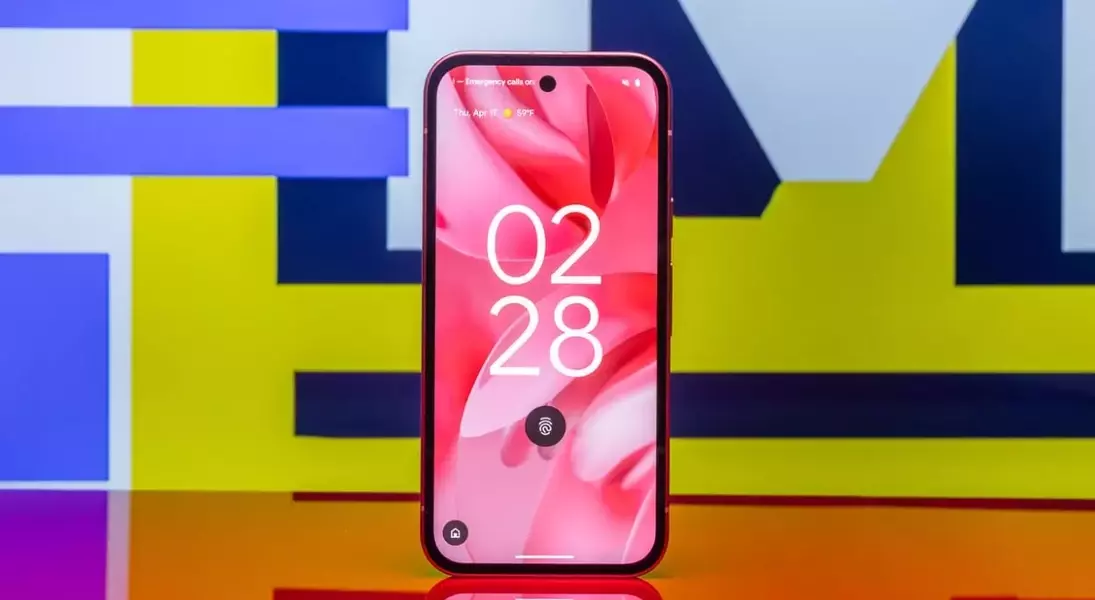
In a significant shift from the industry's continuous pursuit of lighter and thinner devices, Google's forthcoming Pixel 10 series is poised to introduce a notable change. Emerging reports indicate that the next generation of Pixel smartphones—including the Pixel 10, Pixel 10 Pro, Pixel 10 Pro XL, and Pixel 10 Pro Fold—might exhibit a slight increase in both weight and thickness. This adjustment is reportedly attributed to the strategic incorporation of magnets, a move that could redefine wireless charging capabilities for Android devices.
Anticipated Features of the Google Pixel 10 Series: Embracing Magnetic Wireless Charging
As the highly anticipated August launch date approaches, leaked information provides a glimpse into Google's strategic direction for its new Pixel lineup. According to a recent report by Android Headlines, the Pixel 10, Pixel 10 Pro, Pixel 10 Pro XL, and the innovative Pixel 10 Pro Fold are projected to be marginally heavier and, with the exception of the Pro XL, slightly thicker than their predecessors. These subtle changes, amounting to approximately 1 millimeter in thickness and a mere 1 to 11 grams in weight, are not arbitrary. Industry speculation points to a compelling reason behind this design decision: the integration of magnets to support advanced wireless charging.
This development comes as the Wireless Power Consortium has unveiled new Qi2.2 wireless charging standards, emphasizing magnetic alignment to optimize charging efficiency and minimize power loss. Apple's MagSafe technology has long leveraged this principle, providing a seamless magnetic attachment for wireless charging on iPhones since the iPhone 12. It now appears the Android ecosystem, led by Google, is ready to adopt similar magnetic functionalities. This adoption is expected to foster a more efficient wireless charging experience, aligning with the recent introduction of Qi2 wireless chargers by companies such as Belkin and Ugreen, which promise faster charging speeds up to 25W.
While the primary rumor suggests integrated magnets within the devices, there is also speculation that Google might instead release a "Pixelsnap" series of magnetic charging accessories, mirroring Apple's MagSafe accessories. This approach would offer similar benefits without necessitating internal hardware changes to the phones themselves. The official unveiling of the new Pixel 10 phones is scheduled for the "Made by Google" event on August 20, where the full details of these technological advancements will be revealed. This move by Google is particularly noteworthy given the prevailing trend in the mobile industry towards ultra-thin designs, as exemplified by Samsung's recently launched, significantly thinner Z Fold 7. Google's decision to potentially diverge from this trend suggests a strong commitment to enhancing wireless charging and overall user experience.
The integration of magnets could usher in a new era for Android's wireless charging landscape. This strategic enhancement is likely to set a precedent, encouraging other smartphone manufacturers to follow suit and standardize magnetic attachment for accessories. From a user's perspective, this means a more intuitive, secure, and efficient wireless charging experience, potentially reducing the hassle of misaligned devices and slow charging. This innovation could simplify daily interactions with smartphones, making power replenishment as effortless as a snap.
