The latest iteration of Google's Pixel lineup, the Pixel 10 series, marks a pivotal advancement in smartphone charging technology by integrating Qi2 wireless magnetic charging. This move is not merely an incremental upgrade but a transformative step, leveraging the precision and versatility that magnets bring to wireless power transfer. Beyond just charging, this magnetic integration paves the way for a rich ecosystem of accessories, enhancing user experience and bridging the gap between different mobile device platforms.
For years, users have navigated the nuances of wireless charging, often encountering inefficiencies due to misaligned coils. The Qi2 standard, with its magnetic alignment, addresses this core challenge head-on, ensuring optimal energy transfer and faster charging speeds. This innovation not only streamlines the charging process but also unlocks a new realm of functional accessories, from stands and grips to external storage solutions, all benefiting from the secure and precise magnetic attachment. This thoughtful design choice positions the Pixel 10 series as a frontrunner in convenience and adaptability within the competitive smartphone market.
The Magnetic Advantage: Beyond Charging Efficiency
The introduction of Qi2 wireless magnetic charging in the Pixel 10 series represents a significant leap forward, primarily due to the inherent benefits of magnetic alignment. Unlike conventional wireless charging, which often requires precise positioning and can suffer from reduced efficiency if misaligned, Qi2 utilizes magnets to automatically snap the device into the optimal charging position. This ensures maximum power transfer, with the Pixel 10 Pro XL achieving up to 25W charging speeds, a notable improvement that rivals wired connections in terms of convenience and speed. The magnetic attachment is not just about power; it introduces a new level of user comfort, eliminating the guesswork and frustration associated with finding the 'sweet spot' on a charging pad. Users can simply place their device on the charger, and the magnets intuitively guide it into place, ensuring a consistent and reliable charging experience every time. This robust magnetic connection also means the phone stays securely in place, whether on a desk stand or a car mount, preventing accidental disconnections and providing peace of mind.
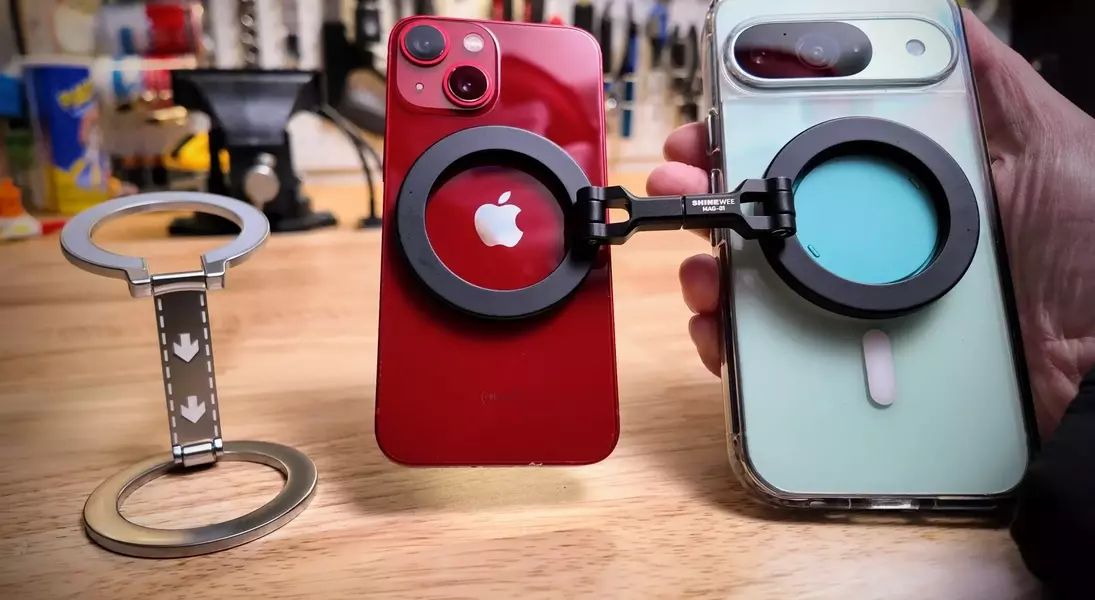
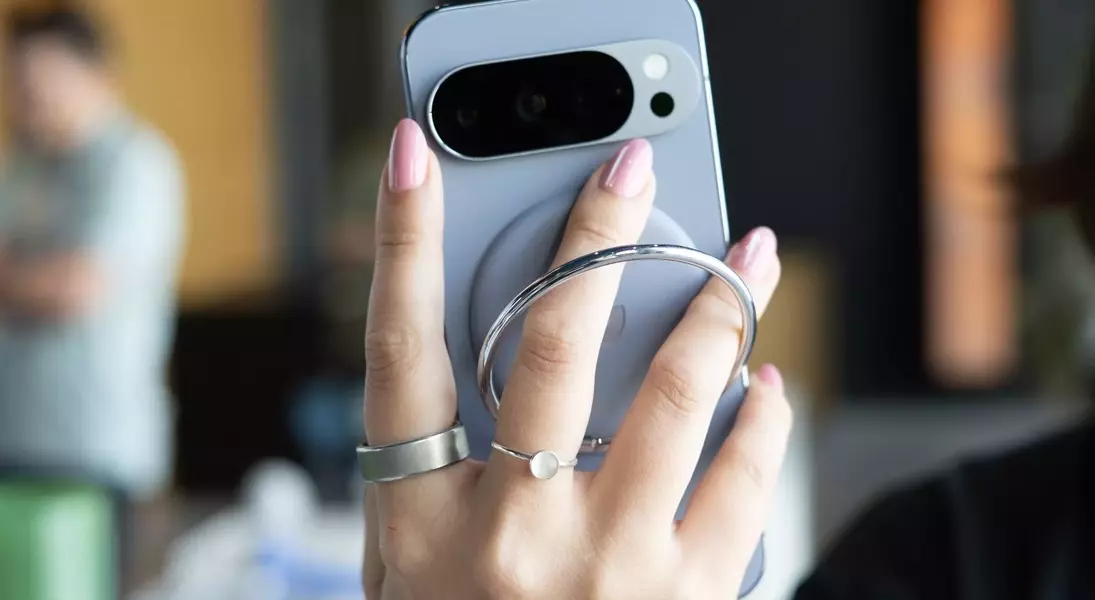
Furthermore, the magnetic capability extends far beyond just charging, transforming how users interact with their devices and a myriad of accessories. The adoption of Qi2 opens the Pixel ecosystem to a vast array of existing magnetic accessories, previously popularized by other devices. This includes practical items like pop-sockets, camera grips, stands, and even external storage solutions such as microSD card readers and SSDs, all of which can now effortlessly attach to the Pixel 10 series. This broad compatibility offers unparalleled versatility, allowing users to customize their phone experience with a simple magnetic click. The ability to attach and detach accessories quickly and securely not only enhances functionality but also streamlines daily tasks, from stable video calls to convenient data transfer. This magnetic integration liberates the USB-C port for other uses, like connecting to headphones or external monitors, further expanding the device's utility. For a long-time advocate of magnetic solutions, this represents a significant shift, making the Pixel 10 an attractive option for those who value both efficiency and a rich accessory ecosystem, blurring the lines between different smartphone preferences.
Expanding Ecosystem and Cross-Platform Compatibility
The strategic adoption of Qi2 by Google for its Pixel 10 series is poised to have a profound impact on the accessory market, fostering a universally compatible ecosystem. By embracing this open standard, Google ensures that the Pixel 10 devices can seamlessly integrate with a wide range of Qi2-certified accessories already available in the market. This broad compatibility is a game-changer, breaking down traditional barriers between different smartphone brands and offering unprecedented flexibility to consumers. Whether it's charging pads, car mounts, or portable batteries, users will find a plethora of options that work effortlessly across not only the new Pixels but also recent iPhones and future Samsung devices equipped with Qi2. This unified approach simplifies the user experience, making it easier for households with mixed mobile devices to share accessories and benefit from the convenience of magnetic attachment without needing brand-specific solutions. The move signifies a growing industry trend towards greater interoperability, which ultimately benefits consumers through increased choice and reduced cost.
The shift to Qi2 also signifies a maturing landscape for wireless technology, emphasizing convenience and expanded utility beyond mere power delivery. For many, the seamless integration of magnetic accessories has been a compelling reason to favor certain device ecosystems. With the Pixel 10 now offering this capability natively, it eliminates a significant barrier for users considering a switch or those who prefer the Android platform but desire the versatility of magnetic attachments. The practical implications are vast: a simple magnetic click can transform a phone into a stable media consumption device, a powerful camera with enhanced grip, or an efficient workstation. This seamless interaction enhances the overall usability and appeal of the Pixel 10 series, transforming it from a mere communication tool into a versatile hub for diverse needs. The future of mobile technology lies in such intuitive and interconnected experiences, and Google's embrace of Qi2 demonstrates a clear commitment to delivering an integrated and user-centric approach that aligns with modern consumer expectations, fostering a more cohesive and adaptable technological environment for everyone.
