
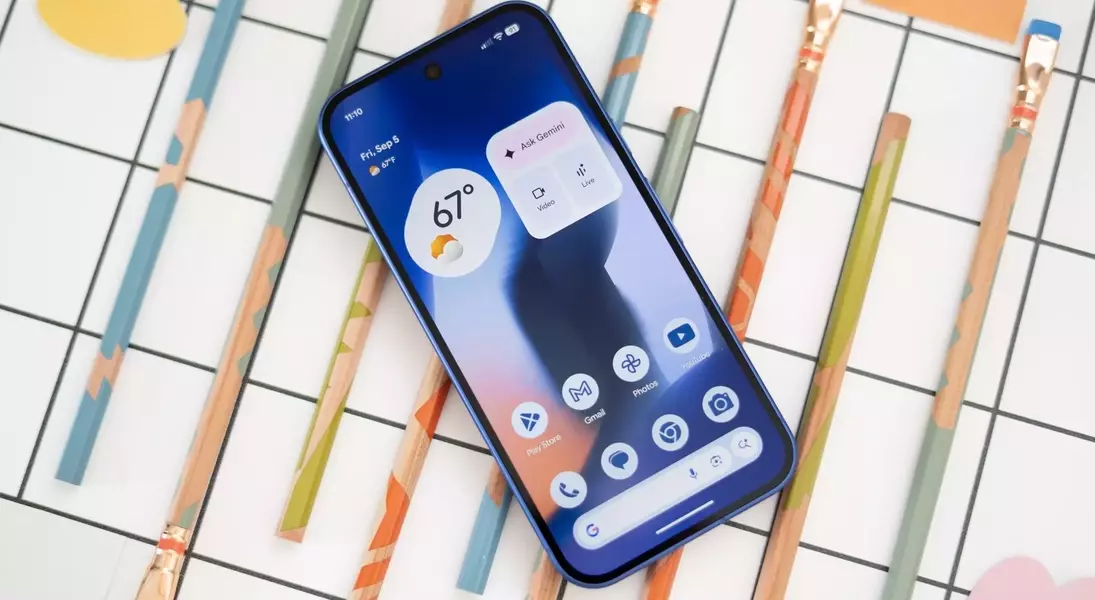
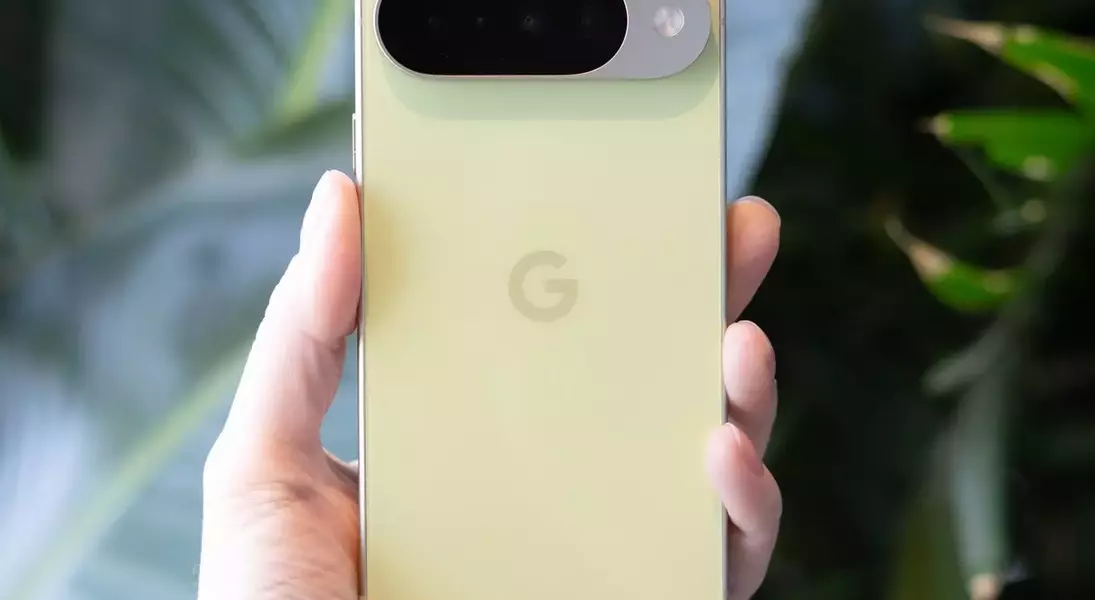
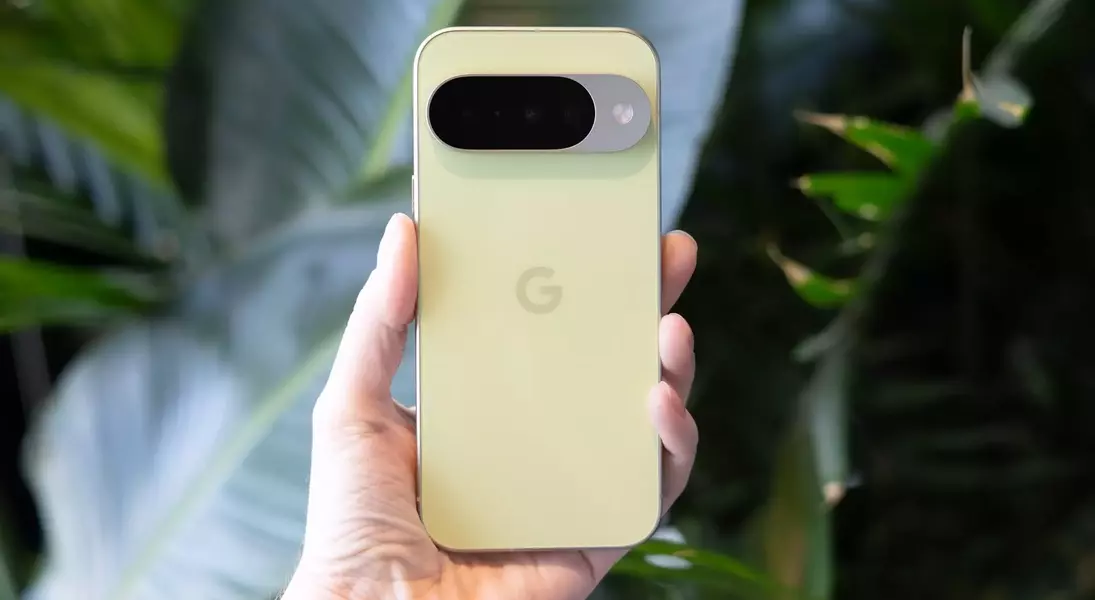







The Google Pixel 10, while presenting itself as a dependable Android smartphone, navigates a complex landscape of advancements and compromises. Its affordable price point of $799 positions it as an accessible option, yet it introduces features typically reserved for higher-end models, such as the innovative Qi2 wireless charging with integrated magnets and a newly dedicated telephoto camera. However, this progress comes at a cost; the primary and ultra-wide camera sensors have been scaled back, utilizing components found in more budget-friendly devices. This strategic shift reflects Google's effort to balance premium features with a competitive price, aiming to appeal to a broad user base that values general functionality and new technology without necessarily prioritizing top-tier photographic capabilities.
Powered by the custom-designed Tensor G5 chip, the Pixel 10 promises enhanced performance and improved AI integration, signifying a step forward in computational efficiency and intelligent user experiences. While the device capably handles most daily tasks and offers a refined user interface, the impact of these advanced features on battery longevity is noticeable. Users engaging in more demanding activities might find themselves reaching for a charger by late afternoon, highlighting a persistent challenge in optimizing power consumption for modern smartphones. Despite these trade-offs, the Pixel 10 delivers a coherent and enjoyable Android experience, making it a perfectly viable choice for individuals seeking a well-rounded device that incorporates modern conveniences at a reasonable cost.
Enhanced Features and Performance on the Pixel 10
The Google Pixel 10 marks a significant evolution in the non-Pro series, offering a compelling package of features and capabilities at its $799 price point. Key upgrades include Qi2 wireless charging with built-in magnets, which greatly simplifies charging by allowing the phone to snap securely onto compatible chargers. This magnetic integration not only enhances convenience but also aligns the Pixel series more closely with the seamless accessory ecosystem seen in other leading smartphone brands. Furthermore, the inclusion of a dedicated telephoto lens is a first for the standard Pixel model, expanding its photographic versatility and enabling users to capture distant subjects with improved clarity, a valuable addition for casual and enthusiast photographers alike.
Under the hood, the Pixel 10 is equipped with the Tensor G5 chip, Google’s first custom processor manufactured by TSMC. This new silicon promises a cooler operating temperature and more efficient handling of demanding applications, leading to a smoother overall user experience. While it features 12GB of RAM, slightly less than the Pro model, it remains highly capable for most everyday tasks, including web browsing, social media, and moderate gaming. The on-device AI capabilities, powered by the Tensor G5, are also seeing significant improvements, with features like Magic Cue providing timely and contextually relevant information within various Google applications. This proactive assistance streamlines daily interactions, making the phone feel more intuitive and responsive to user needs.
Camera Performance and User Experience
While the Google Pixel 10 introduces a new telephoto lens, its primary and ultrawide cameras have seen a hardware downgrade, a strategic decision by Google to maintain its competitive price point. The rear cameras, though functional, now utilize sensors similar to those found in mid-range devices like the Pixel 9A. This means that while they produce "perfectly fine" images for casual users, those accustomed to the superior image quality of previous Pixel models or who are particularly discerning about photography might notice a difference. In particular, the smaller 1/2.0-inch type main sensor, compared to the Pro models' 1/1.31-inch sensor, can result in increased noise and less precise detail, especially in challenging lighting conditions or when using features like portrait mode with subjects in motion.
Despite these camera compromises, the Pixel 10 delivers a generally positive user experience, benefiting from its robust Tensor G5 processor and thoughtful software integrations. The device's 6.3-inch 1080p OLED display offers a vibrant visual experience with a smooth 120Hz refresh rate, although it may occasionally drop to 60Hz and exhibits some vignetting in bright outdoor conditions, which can be mitigated by adjusting display settings. Battery life is rated as "just okay," lasting a full day with moderate use but requiring a top-up for more intensive activities like extended hotspot usage or gaming sessions. The seamless integration with Google's ecosystem, exemplified by features like Qi2 wireless charging and the helpful, albeit occasionally overzealous, Magic Cue AI, contributes to a cohesive and user-friendly Android environment, making the Pixel 10 a compelling option for a broad audience seeking a balanced and modern smartphone.
