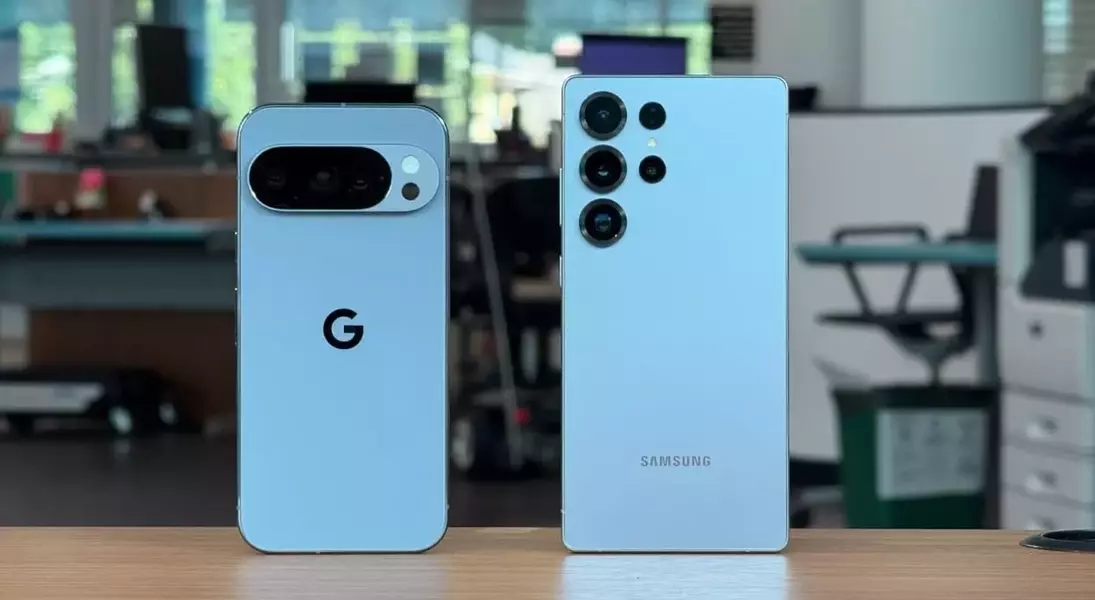
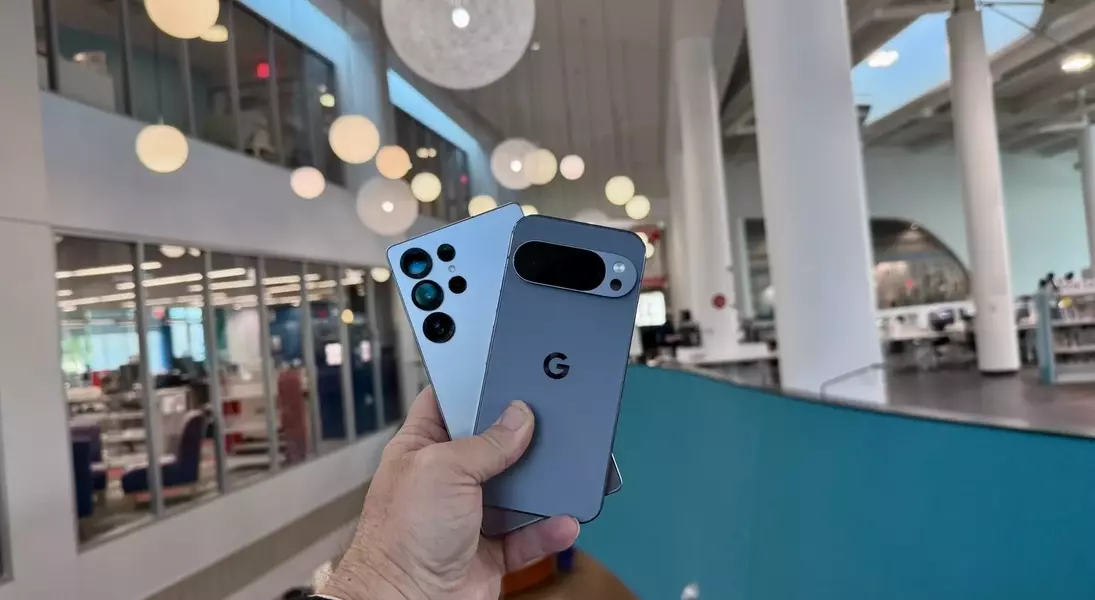










Google's recent claim that the Pixel 10 Pro boasts the world's finest smartphone camera has sparked considerable interest, prompting a direct comparison with the formidable Samsung Galaxy S25 Ultra. This extensive evaluation meticulously examines key photographic capabilities, from standard wide-angle shots to extreme zoom and specialized modes, seeking to ascertain which device delivers a truly exceptional imaging experience. The analysis also explores the innovative AI-driven features integrated into the Pixel 10 Pro, aiming to provide a comprehensive understanding of each phone's strengths and weaknesses in real-world photography scenarios.
Ultimately, the objective is to move beyond marketing rhetoric and provide a clear, evidence-based assessment of these two photographic powerhouses. Through detailed examination of image quality across various settings and features, the aim is to guide consumers in making an informed decision about which flagship smartphone camera best aligns with their individual needs and photographic aspirations. The insights gathered highlight the nuances that differentiate these leading mobile imaging systems, offering a definitive answer to the question of which device truly redefines smartphone photography.
Camera Hardware and Core Performance
When evaluating the primary cameras of both the Google Pixel 10 Pro and the Samsung Galaxy S25 Ultra, despite significant megapixel differences, the performance often reveals subtle distinctions rather than stark contrasts. The Samsung Galaxy S25 Ultra, with its impressive 200MP sensor, generally exhibits a superior ability to capture the entire scene with remarkable clarity, maintaining sharpness in both foreground and background elements. In contrast, the Pixel 10 Pro, featuring a 50MP main camera, demonstrates a nuanced approach, often excelling in rendering finer textures, although it might slightly reduce clarity in distant background details. For instance, in images of flags, the Pixel 10 Pro tends to render individual stars with greater distinction, while the Samsung might blend them slightly. Both phones deliver outstanding color reproduction and overall clarity, making either a strong contender for everyday photography. However, the Samsung's higher resolution often provides a slight edge in comprehensive scene capture, while the Pixel shines in specific detail rendering.
Shifting focus to specialized lenses, the ultrawide cameras on both devices, while inherently sacrificing some detail common to such lenses, exhibit distinct characteristics. The Pixel 10 Pro's ultrawide lens consistently captures a broader field of view, which aligns more closely with the fundamental purpose of an ultrawide camera, granting it a notable advantage. Conversely, when it comes to the 5x telephoto lenses, both phones deliver impressive optical zoom capabilities. The Samsung Galaxy S25 Ultra generally produces images with more color realism, presenting a faithful representation of the scene's hues. The Pixel 10 Pro, however, often enhances bright colors, creating a more vibrant and "popping" effect, which can be aesthetically pleasing depending on individual preference. This artistic enhancement by the Pixel's processing offers a more dynamic visual impact, proving particularly effective in scenes with rich color palettes. Therefore, while both phones excel in their specialized photographic applications, their approaches to color rendition and scene capture differ, catering to diverse photographic tastes.
Advanced Features and Specialized Imaging
The 100x zoom capability on both the Pixel 10 Pro and the Samsung Galaxy S25 Ultra showcases the impressive advancements in smartphone computational photography, though with varying results. While neither phone delivers perfectly sharp images at this extreme magnification, the Pixel 10 Pro consistently produces more usable and detailed outcomes. For example, in tests involving distant subjects, the Pixel's rendition often appears more akin to a textured painting or drawing, retaining more discernible features compared to the Samsung's frequently blurred and blotchy output. Even when the Samsung manages to capture more accurate colors, the Pixel's superior detail retention at 100x zoom makes it the preferred choice for those seeking maximum reach. This highlights Google's effective utilization of AI to refine and enhance highly zoomed images, pushing the boundaries of what's achievable with a smartphone lens.
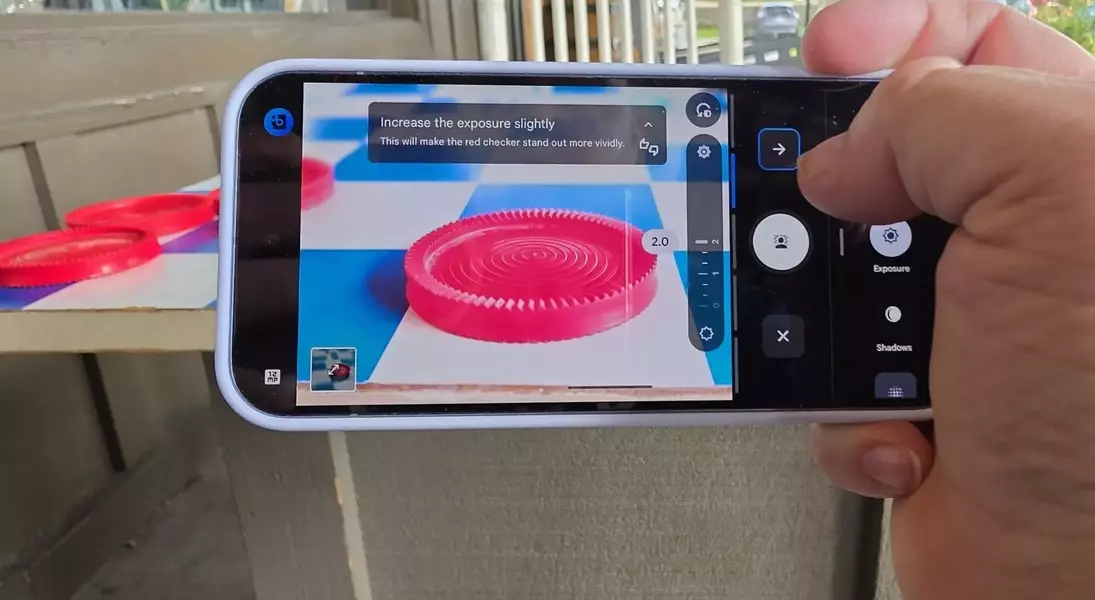
When it comes to portrait mode, a feature designed to create a pleasing background blur (bokeh) while keeping the subject sharp, the Samsung Galaxy S25 Ultra demonstrates a more sophisticated and natural handling of complex details, such as individual strands of hair. Unlike the Pixel 10 Pro, which can sometimes over-process these subtle elements, leading to an artificially smoothed appearance, Samsung's approach results in a more organic and physically accurate portrayal of depth of field. Furthermore, the Pixel 10 Pro introduces an innovative AI-driven 'Camera Coach' feature, which offers real-time photographic guidance based on the scene being captured. While this tool can significantly assist users in improving their shot composition and technical execution, it currently operates with a slight delay and requires manual advancement through suggested steps. Despite these minor limitations, the 'Camera Coach' represents a promising step towards democratizing professional-level photography techniques, providing accessible instruction directly within the camera interface.
