
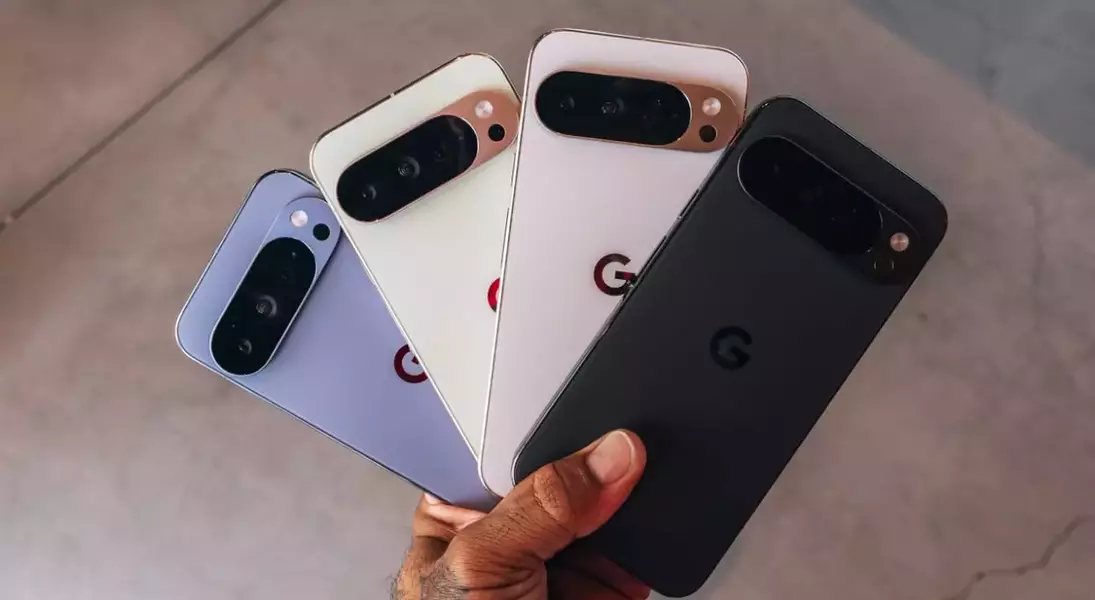
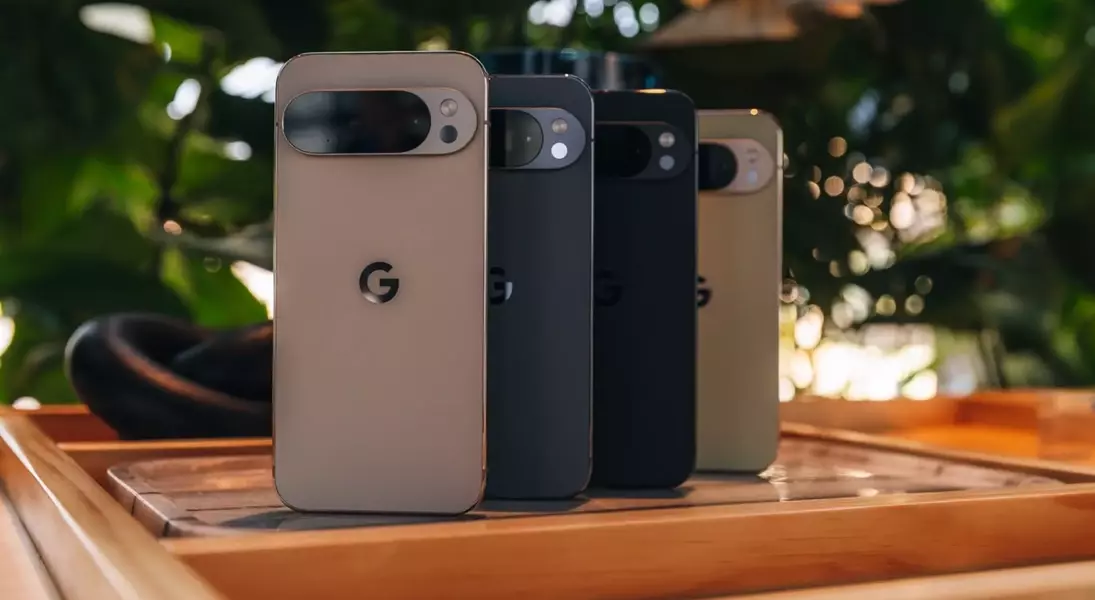

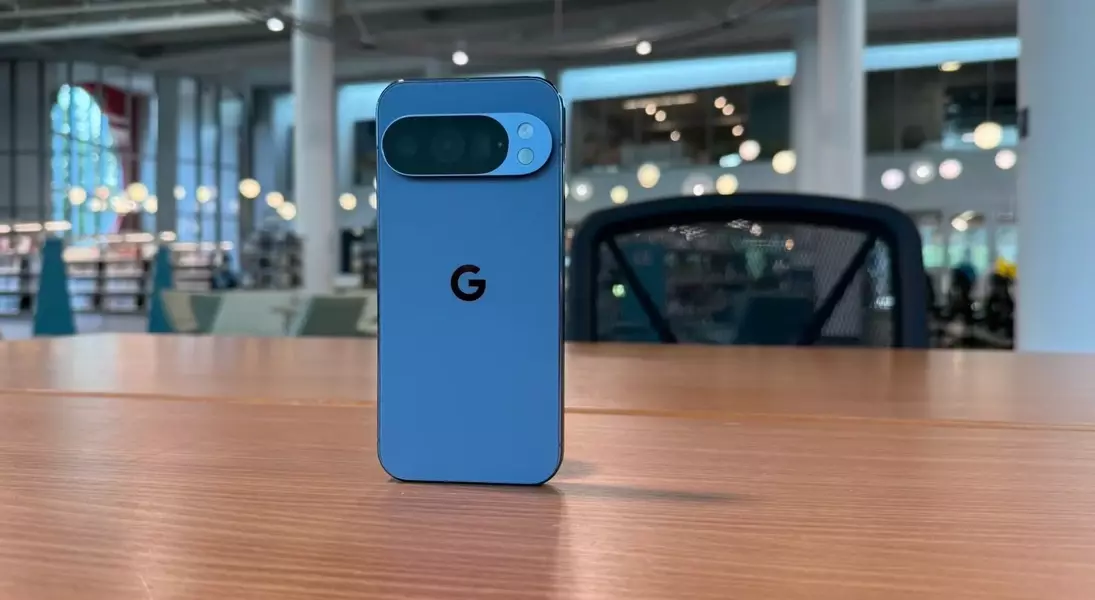






Google's latest flagship, the Pixel 10 Pro, presents a compelling package of advanced technology and familiar design, yet it's not without its quirks. This device, retailing at $999, promises a superior user experience, largely driven by its exceptional camera system and innovative AI integrations. However, a deeper dive reveals that while it shines in certain aspects, particularly in daylight photography and magnetic charging capabilities, other areas like low-light imaging and certain AI functionalities still require further refinement. This review offers a thorough examination of its features, performance, and overall value, providing insights into whether this new iteration truly stands out in the competitive smartphone landscape.
Detailed Analysis of the Pixel 10 Pro's Innovations
Google has once again delivered its highly anticipated annual update to the Pixel series, introducing the Pixel 10 Pro, a device that largely maintains the recognizable aesthetic of its predecessors. Released amidst considerable anticipation, particularly for its camera enhancements and advanced AI features, this smartphone has been the subject of rigorous evaluation since its debut. The review unit, put through its paces for approximately a week, demonstrated both the strengths and weaknesses of Google’s latest engineering marvel.
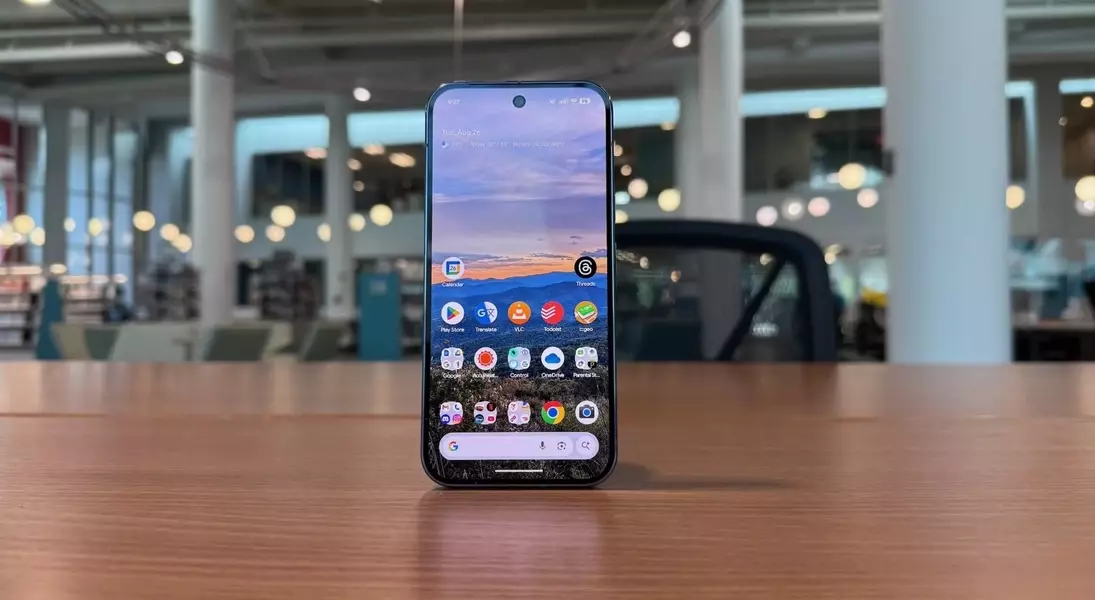
Under the sleek, visually consistent exterior, the Pixel 10 Pro boasts an impressive array of internal specifications. It is powered by Google's custom-engineered Tensor G5 chipset, fabricated using a cutting-edge 3nm process, placing it on par with other leading flagship devices in terms of raw processing power. Memory-wise, it comes equipped with a generous 16GB of RAM, ensuring smooth multitasking and responsive application performance. However, storage options start at 128GB, which for a flagship phone in today’s data-heavy world, can be quickly consumed, though Google’s cloud integration offers some mitigation. The display is a vibrant 6.3-inch Super Actua LTPO OLED panel, delivering a sharp 1280x2856 resolution with an adaptive refresh rate ranging from 1-120Hz, complemented by an impressive peak brightness of 3,300 nits. Powering this hardware is a 4,870mAh battery, a modest increase from the previous Pro model, but significantly enhanced by the inclusion of wireless Qi2 charging and the innovative Pixelsnap magnetic attachment system, marking a pivotal step towards mainstream magnetic accessory compatibility.
Photography is a major focal point for the Pixel 10 Pro, featuring a robust quad-camera setup. The rear boasts a 50MP wide, 48MP ultrawide, and a 48MP telephoto lens, while the front camera also impresses with a 48MP sensor. In direct comparisons, particularly against the Samsung Galaxy S25 Ultra, the Pixel 10 Pro’s main camera consistently delivered superior daytime photographs. The device's 100x Super Res Zoom feature is a groundbreaking addition, capturing astonishing detail even from extreme distances. However, the camera performance notably falters in low-light conditions, producing grainy images and struggling with dynamic subjects, especially when utilizing the ultrawide or telephoto lenses. Video recording also shares this limitation, though the Night Sight video mode offers some computational improvements for cleaner, more stable footage in dim environments.
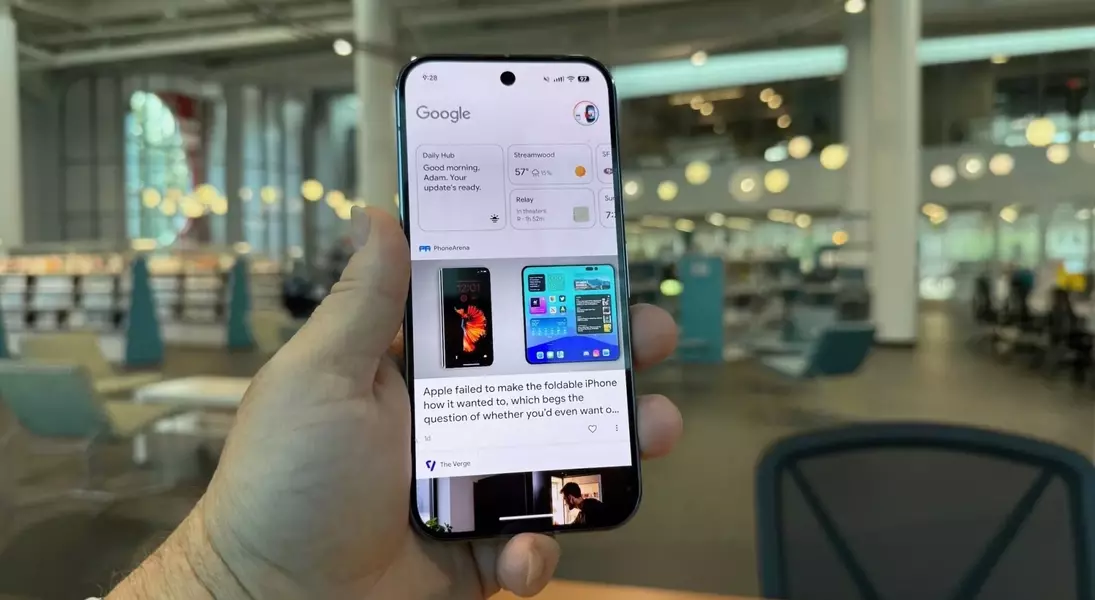
Google’s software ecosystem, renowned for its clean interface and intuitive interactions, introduces new AI functionalities in the Pixel 10 Pro. The 'Daily Hub' feature provides a personalized summary of the day's schedule, integrating calendar events, emails, and tailored recommendations directly into the Google Discover feed. Conversely, 'Magic Cue,' designed to proactively manage and recall information across various applications, appears to be still in its developmental stages. While it successfully provided contact information in some messaging scenarios, its inability to consistently retrieve information without requiring app switching, or to prioritize relevant data (like flight itineraries over travel vouchers), indicates a need for further refinement. Despite these initial inconsistencies, the underlying potential for these AI features to enhance daily interactions is significant.
Performance-wise, the Tensor G5 processor handles daily tasks with admirable fluidity, opening applications, switching between them, and powering advanced AI features like live language translation without any noticeable lag. During extensive gaming sessions, such as with 'Asphalt Legends', the device maintained stable performance without excessive heat accumulation, marking a notable improvement over previous Pixel iterations. Battery life, while not revolutionary, is sufficient for most users, typically leaving 30-40% charge by day's end for standard usage, though intensive activities like prolonged camera testing or high-definition video recording naturally consume more power.
One practical consideration for new users is the Pixel 10 Pro’s shift to eSIM-only functionality. While this streamlines device activation for many, it can present challenges for those who frequently switch devices or require physical SIM flexibility. This change, alongside the camera's mixed performance in varying light conditions, represents minor friction points in an otherwise polished and highly capable smartphone. Nevertheless, the Pixel 10 Pro stands as a robust contender in the premium smartphone market, offering substantial upgrades and a glimpse into the future of mobile AI and hardware integration.
From a journalist's vantage point, the Google Pixel 10 Pro embodies the ongoing tension between innovation and practicality in the rapidly evolving smartphone industry. Its remarkable strides in computational photography, particularly with the 100x Super Res Zoom, signal a future where mobile devices can achieve near-professional-grade imaging. However, the inconsistent performance in low-light conditions and the nascent state of certain AI features like Magic Cue serve as a reminder that technological advancement often involves a gradual process of refinement. The adoption of Qi2 wireless charging via Pixelsnap, on the other hand, is a clear win for user convenience and a smart strategic move, indicating a responsive approach to consumer desires for seamless integration with accessories. This device highlights that while raw power and cutting-edge features are appealing, the true measure of a flagship lies in its consistent, real-world utility and the seamlessness of its integrated experiences.
